
Best Time to Visit Cyprus: A Month-by-Month Guide
Sea-warm summers, walkable shoulder seasons and snow-tipped mountains — when to come depends on what you're chasing.
The honest answer to the best time to visit Cyprus is that it depends on what you're here for — but if you want one window that does almost everything well, aim for late spring (May into early June) or early autumn (September into October). In those shoulder months the sea is warm enough for long swims, the heat is comfortable rather than punishing, the hills are still green or freshly cooling, and the crowds and prices sit well below their summer peak. It's the sweet spot most repeat visitors quietly plan around.
That said, Cyprus genuinely has something for every season. High summer delivers reliable sun, hot sea and a buzzing coast if you want beach days and nightlife. Winter is mild and bright on the coast — perfect for villages, walks and unhurried meze lunches — while the Troodos mountains can hold enough snow to ski. The island is small enough that you can swim in the morning and be in pine forest by lunch, so the 'right' month is really about which of those experiences you want to lead with.
Below is a season-by-season and month-by-month breakdown of how the weather and sea actually feel, when it's busy, and what each part of the year is best for — beaches, hiking or slow days in the villages.
The quick answer: shoulder seasons win
For the best all-round trip, come in May, early June, September or October. Days are warm and reliably sunny, the sea has either warmed up after winter (late spring) or held onto its summer heat (autumn), and you can comfortably mix beach time with walking and sightseeing without melting. Coastal favourites like Fig Tree Bay and Konnos Bay are at their loveliest before and after the peak rush, when you can actually find space on the sand.
These months also let you do the things high summer makes hard. A gorge walk like Avakas Gorge or a boat trip out to the Blue Lagoon is far more pleasant in the milder shoulder-season warmth than at the height of summer, and village lanes feel relaxed rather than thronged. If your dates are flexible, this is where to point them.
High summer (roughly June to August): beaches and buzz
This is peak Cyprus — long, cloudless, properly hot days and a sea that feels like a warm bath by late summer. If your priority is dependable beach weather, evening swims and a lively resort scene, this is your window. The east-coast resorts around Ayia Napa and Protaras are at full tilt, and beaches such as Nissi Beach and Coral Bay come with full facilities, loungers and watersports.
The trade-offs are real, though. It's the busiest and priciest stretch of the year, the most popular beaches fill up early, and inland the heat can be intense — midday hikes are best avoided. Plan active outings for early morning, keep middays for the water or the shade, and book accommodation and boat trips well ahead. The coast catches a sea breeze that takes the edge off; the interior does not.
How the sea actually feels through the year
Cyprus has one of the longer swimming seasons in the Mediterranean. By late spring the water has shaken off winter's chill and is comfortable for a proper swim; through high summer it's warm and inviting; and crucially it stays swimmable well into autumn, because the sea holds its heat after the air has started to cool. For many people September and even October offer the best swimming of all — warm water without the summer crowds.
Winter is a different story: the sea is bracing rather than balmy, and while hardy locals still dip, most visitors save swimming for the calmer, clearer days. Sheltered south-coast bays like Pissouri Bay and Governor's Beach tend to feel a touch gentler in the cooler months, but if a long swim is non-negotiable, lean towards late spring through autumn.
Spring and autumn for hiking, gorges and waterfalls
The shoulder seasons are when the inland and mountain landscapes shine. Spring brings green hillsides and wildflowers, and the Troodos waterfalls run fuller after the winter rains — trails to Caledonia Waterfall and Millomeris Waterfall are at their best when there's actually water tumbling over the rocks. Cooler air makes longer routes a pleasure rather than an ordeal.
Autumn offers the same comfortable temperatures with golden light and far fewer people on the paths. The high-mountain Artemis Trail around Mt Olympus and the coastal walking around Cape Greco are ideal in these windows. In high summer, save any hiking for the first hours after sunrise and carry far more water than you think you need — there's often no shade and no facilities out on the trails.
Winter on the coast: villages, mild days and even snow
Cyprus winters are mild and often bright on the coast — plenty of crisp, sunny days perfect for exploring without the heat. This is the season for slow village days: the stone lanes of Lefkara, the wine-country charm of Omodos, and long meze lunches when the tourist crowds have thinned right out. Towns like Limassol Old Town stay lively year-round, and prices and pressure on tables are at their lowest.
Up in the Troodos mountains it's a genuinely different climate. Snow can settle on the higher slopes around Mt Olympus, enough for a short ski season some years, and the same day you might be in a coat in the hills and a light jacket by the sea. Do pack for rain — winter is the wettest stretch — and expect some mountain restaurants and seasonal beach facilities to be closed or running shorter hours.
Matching the month to your trip
If you want a single rule of thumb: come in May or September-October for the best balance of warm sea, good walking weather and manageable crowds; come in July-August if beach heat and a buzzing resort scene are the whole point; and come in winter for villages, value and the novelty of swapping the coast for mountain snow in the same trip.
Whichever month you choose, the island's compact size is your friend — a hire car turns a single base into reach of beaches, gorges, wine villages and mountains, so you can chase whatever the season does best on any given day. Out-of-season visitors in particular should plan to drive, as some routes and facilities run on reduced schedules.
Frequently asked
When is the overall best time to visit Cyprus?
Late spring (May to early June) and early autumn (September to October) are the best all-round windows. You get warm, swimmable seas, comfortable temperatures for both beaches and hiking, plenty of sunshine, and noticeably fewer crowds and lower prices than the July-August peak.
When is the sea warm enough to swim in Cyprus?
The sea is comfortably swimmable from around late spring through to October. It warms up after winter by May, is bath-warm in high summer, and crucially stays warm well into autumn — September and October often offer the best swimming of the year. In winter the sea is cold and most visitors skip long swims.
What is the hottest and busiest time of year?
July and August are the hottest, busiest and most expensive months. The coast stays comfortable thanks to sea breezes, but inland temperatures can be intense, so hiking and gorge walks are best done early in the morning. Book accommodation and boat trips well in advance for these months.
Can you visit Cyprus in winter, and does it snow?
Yes. Coastal Cyprus has mild, often sunny winters that are ideal for villages, walks and meze lunches with very few crowds. Up in the Troodos mountains, snow can settle on the higher slopes around Mt Olympus, with a short ski season in some years — you can sometimes ski and see the coast on the same day. Winter is the wettest season, so pack for rain.
When is the best time for hiking and waterfalls?
Spring and autumn are ideal for hiking. Spring brings green hills, wildflowers and fuller Troodos waterfalls after the winter rains, while autumn offers cool, comfortable trails with golden light and fewer people. Avoid midday summer hikes — there's often no shade or facilities, so go at sunrise and carry plenty of water.
Coming up next

Limassol Wine Festival — 65th edition
The biggest wine festival in Cyprus, running nine days in the Municipal Gardens on the seafront. Entry is €5 for adults (€3 for 13–17s, under-12s free) and the wineries’ tastings inside are free; a wine glass costs €1.50–2.50 extra. Food, music and dance every evening.
Cyprus Comic Con
The island's home-grown pop culture convention, running annually since the mid-2010s with cosplay contests, artist alley, gaming zones and comic vendors. It is smaller and friendlier than the giant international cons, which makes it easy to actually see everything in a day. Tickets are modestly priced and the cosplay standard is impressively high for a small island.
Commandaria & Ppalouzes Day, Agios Mamas
A Sunday in Agios Mamas, one of the Commandaria wine villages in the hills north of Limassol, where you can watch — and help with — the making of ppalouzes and soutzoukos, the grape-must sweets of the harvest. Live folk music and dancing, a village market, donkey rides and storytelling for children; free entry.
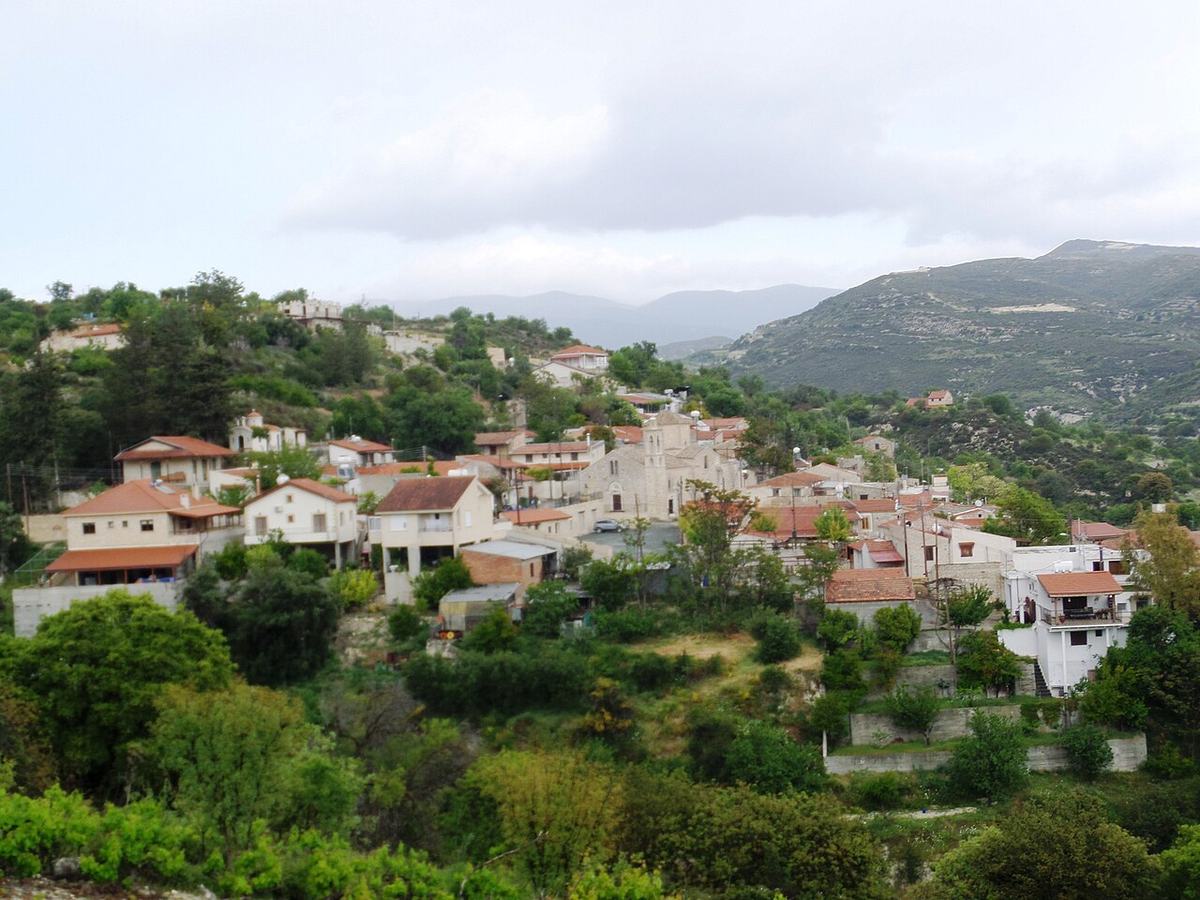
Potamiou Wine & Gastronomy Festival
The fourth edition of a harvest afternoon in Potamiou, a small village in the Limassol wine country: local wine and zivania, palouzes, soutzoukos, trahanas and tremithopita, workshops in traditional cooking, a cycling wine route and folk music and dancing into the evening. Free entry.
Featured in this guide
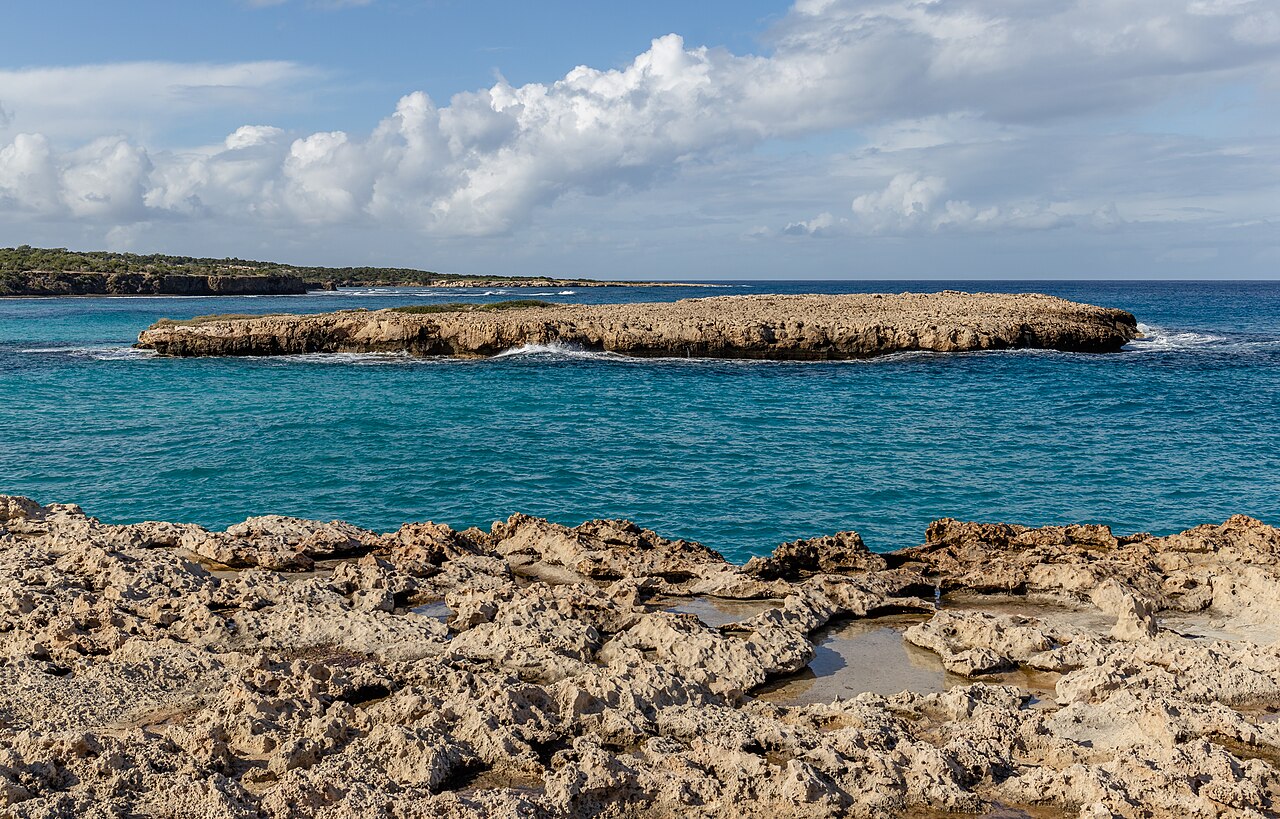
Blue Lagoon
A sheltered cove of electric-turquoise water at the tip of the Akamas. Reach it by boat from Latchi, a rugged 4×4 track, or a two-hour coastal hike — then swim straight off the rocks.
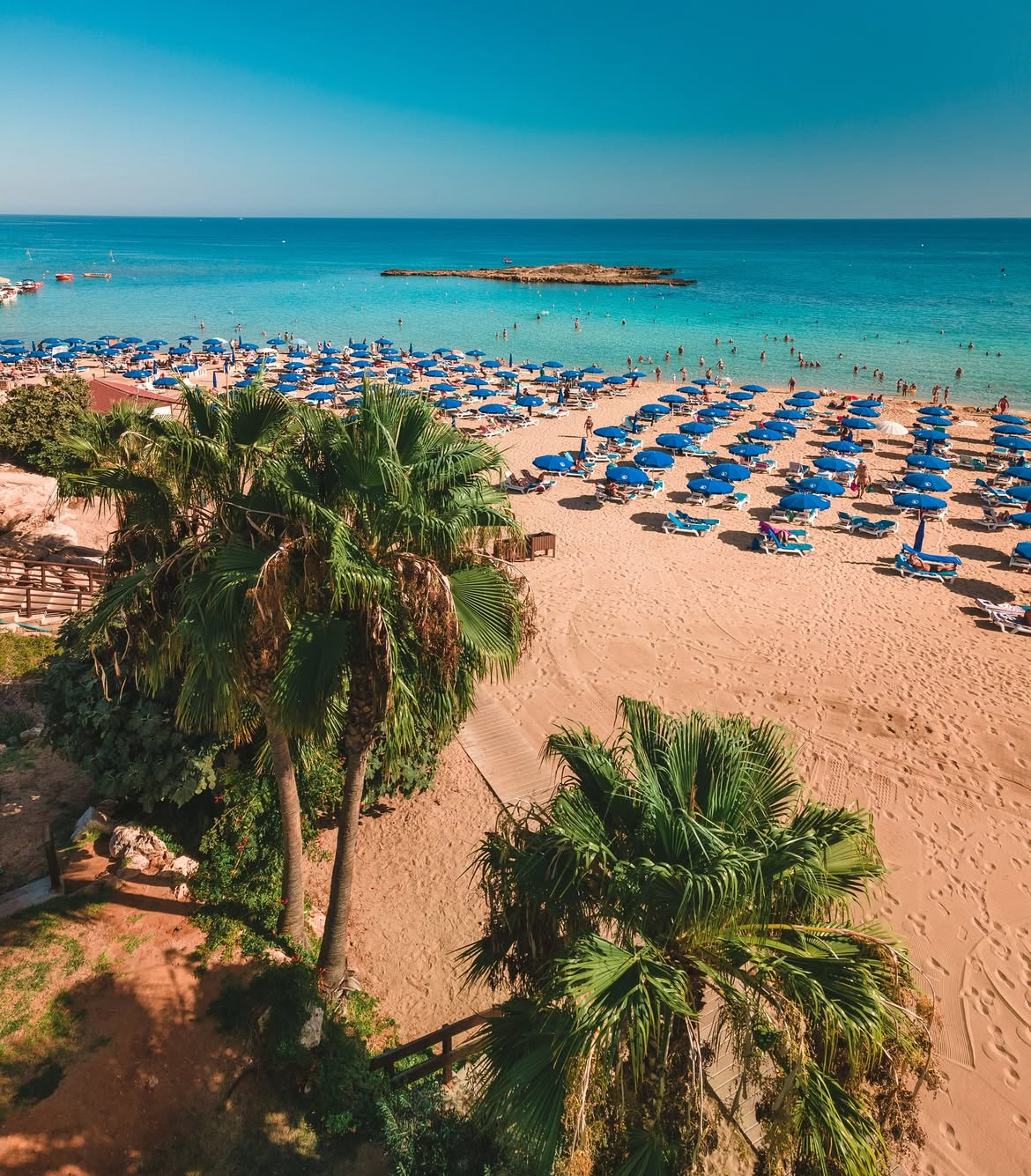
Fig Tree Bay
The icon of Protaras: powder sand, shallow warm water and a little islet you can swim out to, named for the lone fig tree that has stood here for centuries.
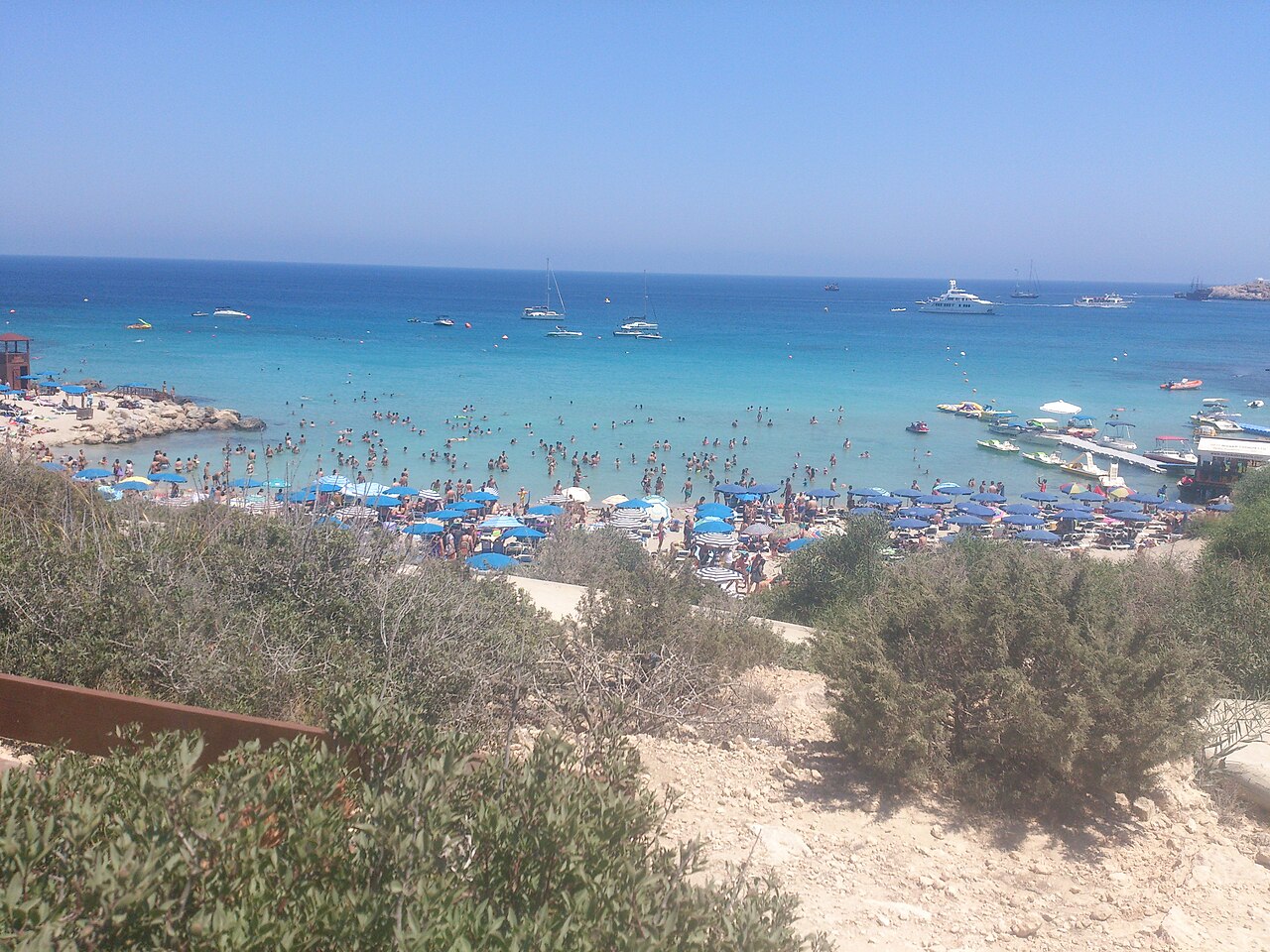
Konnos Bay
A sheltered horseshoe of fine sand and glass-clear turquoise between two pine-topped headlands — the prettiest swim on the east coast, reached on foot from the cape.
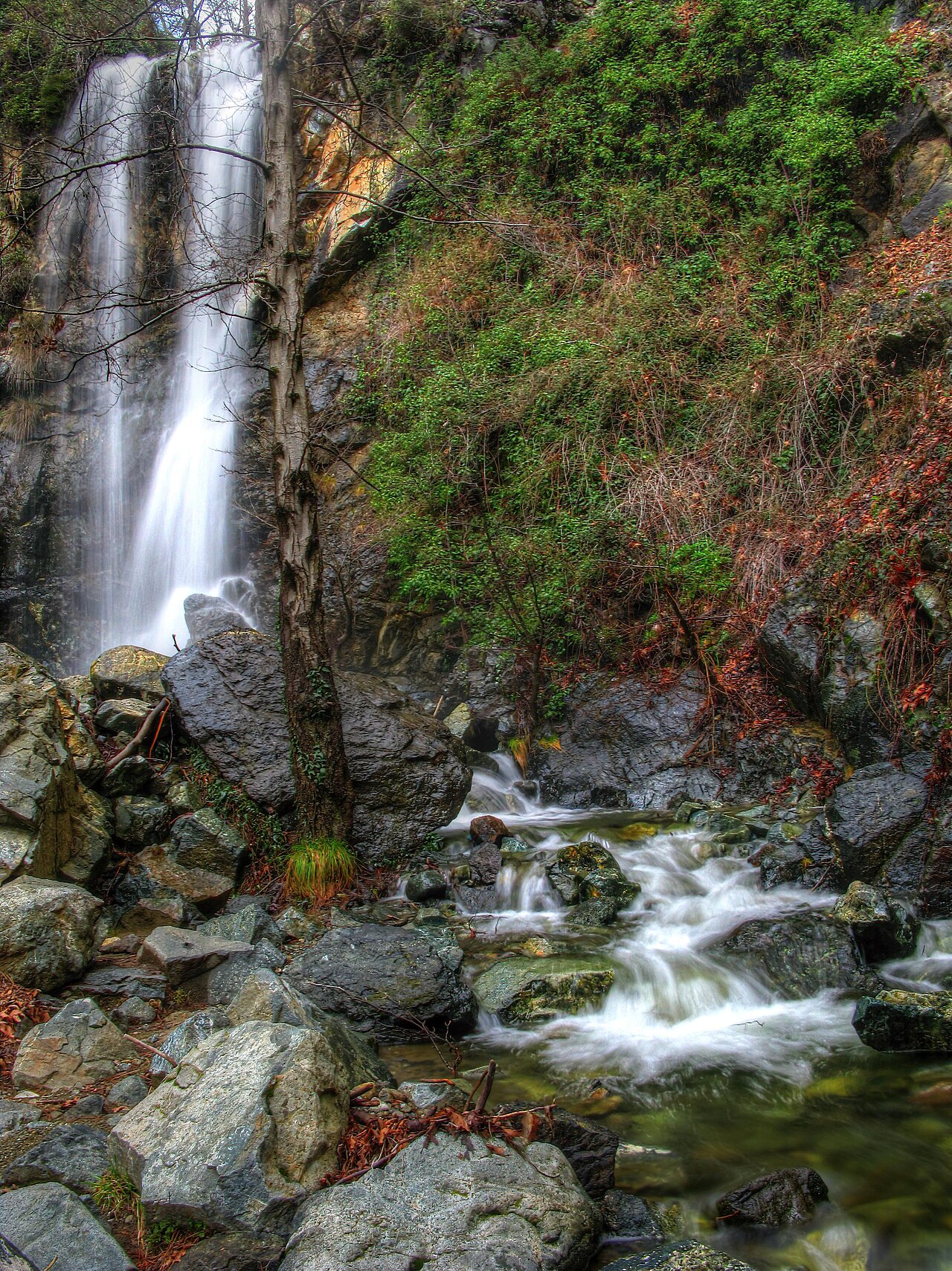
Caledonia Waterfall Trail
A cool two-hour forest loop tracing the Kryos river through pine and plane trees to a 13-metre waterfall — the island’s best escape from the August heat.
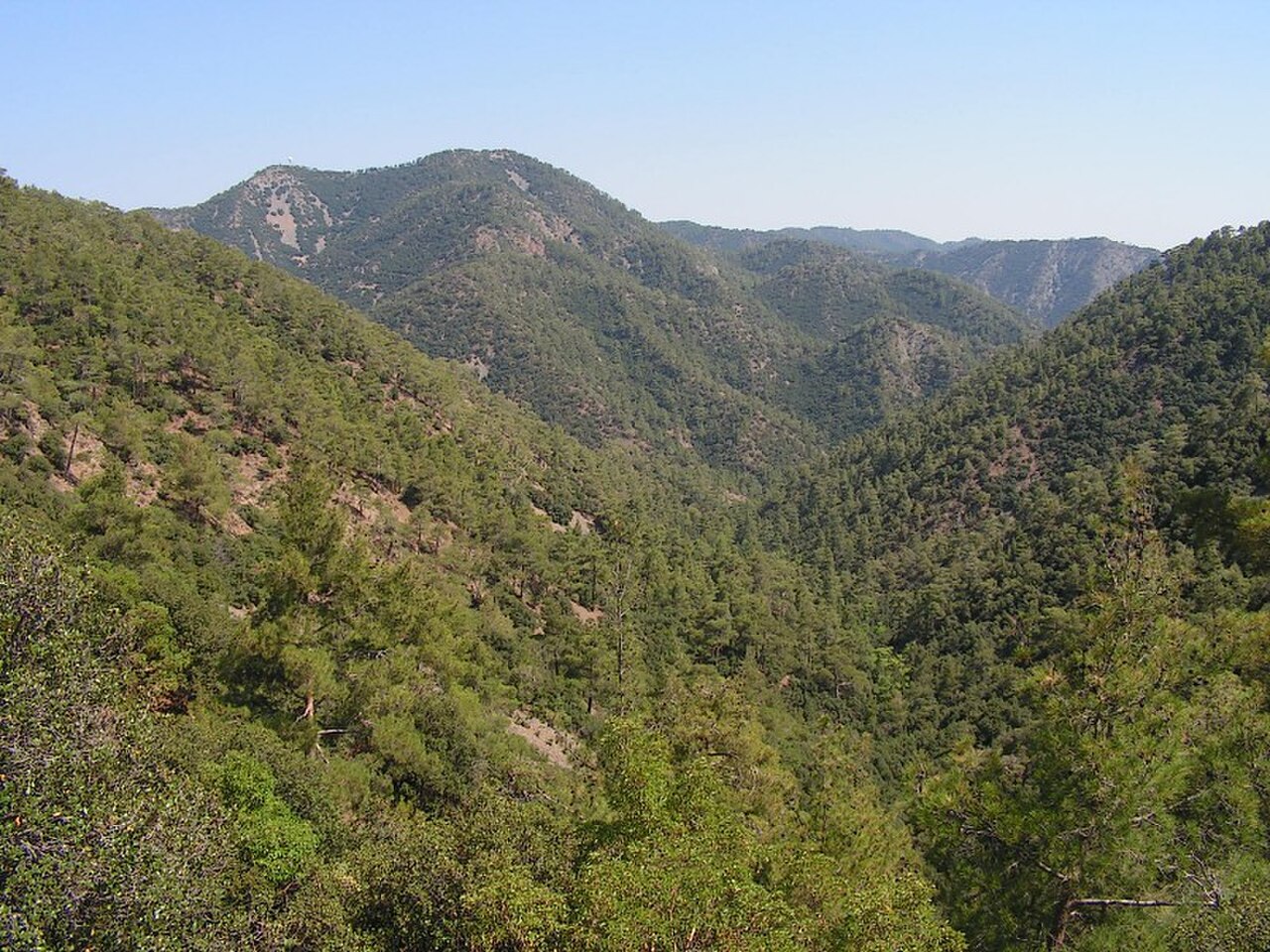
Artemis Trail · Mt Olympus
A near-level seven-kilometre loop circling the summit of Mount Olympus through black pine and juniper, with both coasts visible on a clear day. Snow-dusted in winter.
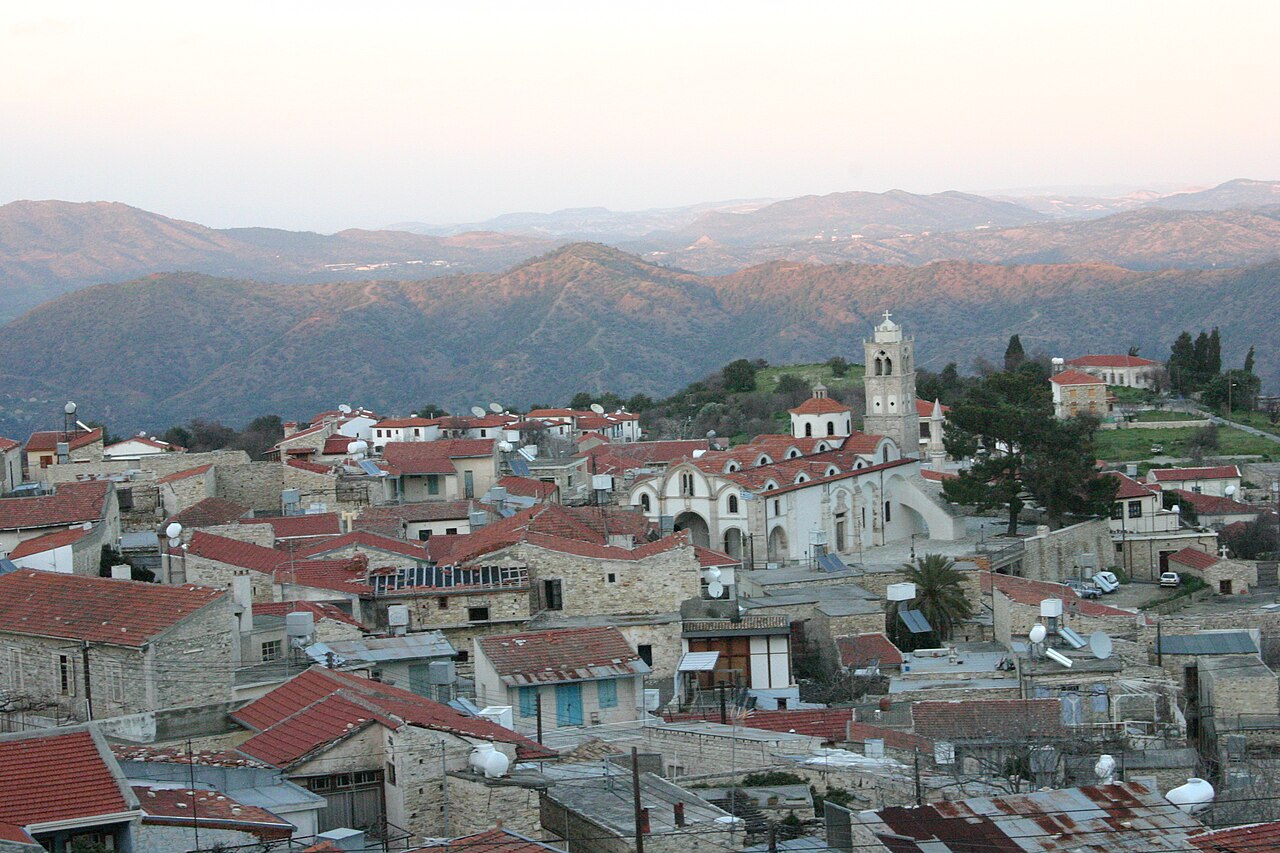
Lefkara Village
A hillside warren of cobbled lanes famous for handmade lace and filigree silver, with blue shutters, shaded courtyards and a coffee at every turn.
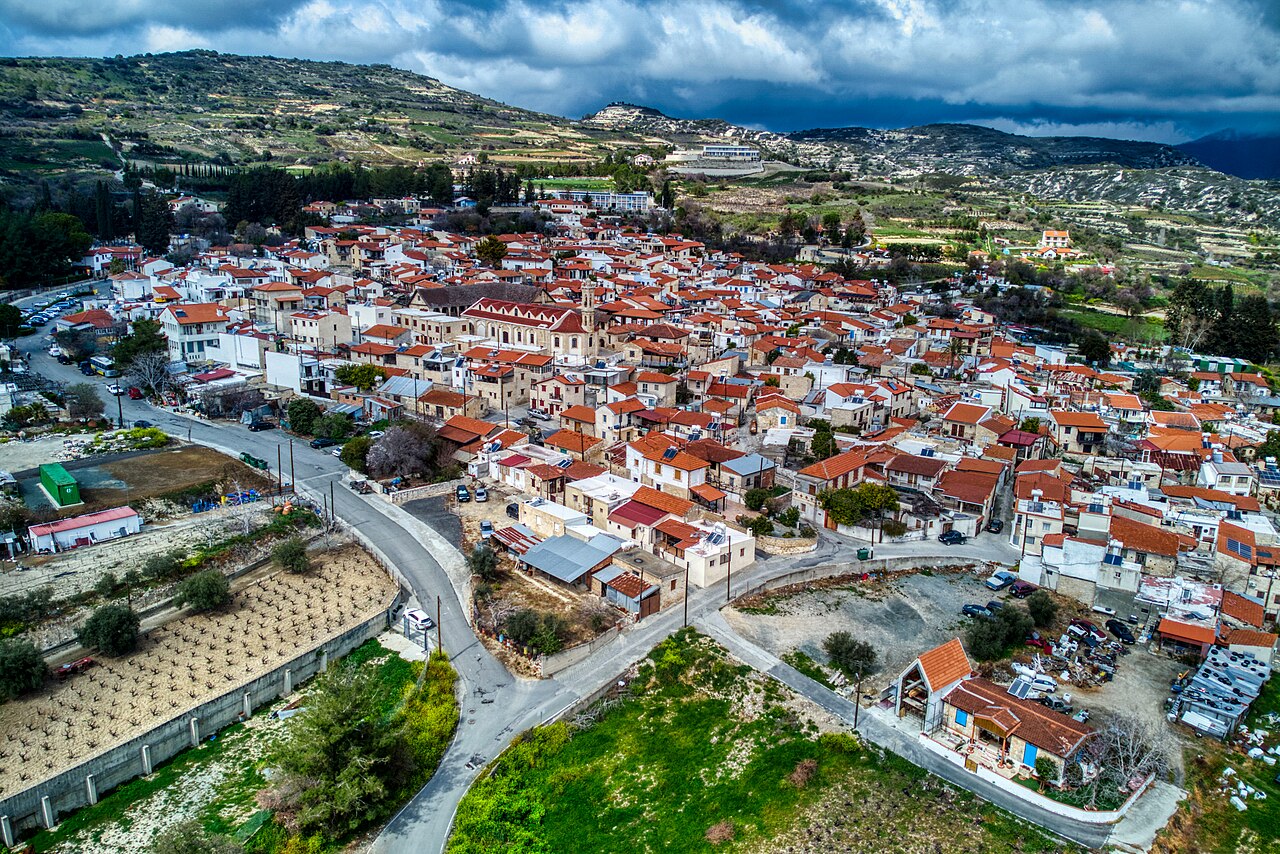
Omodos Village
A cobbled wine village built around the Monastery of the Holy Cross, ringed by vineyards and lined with cellars pouring indigenous Commandaria and Zivania.
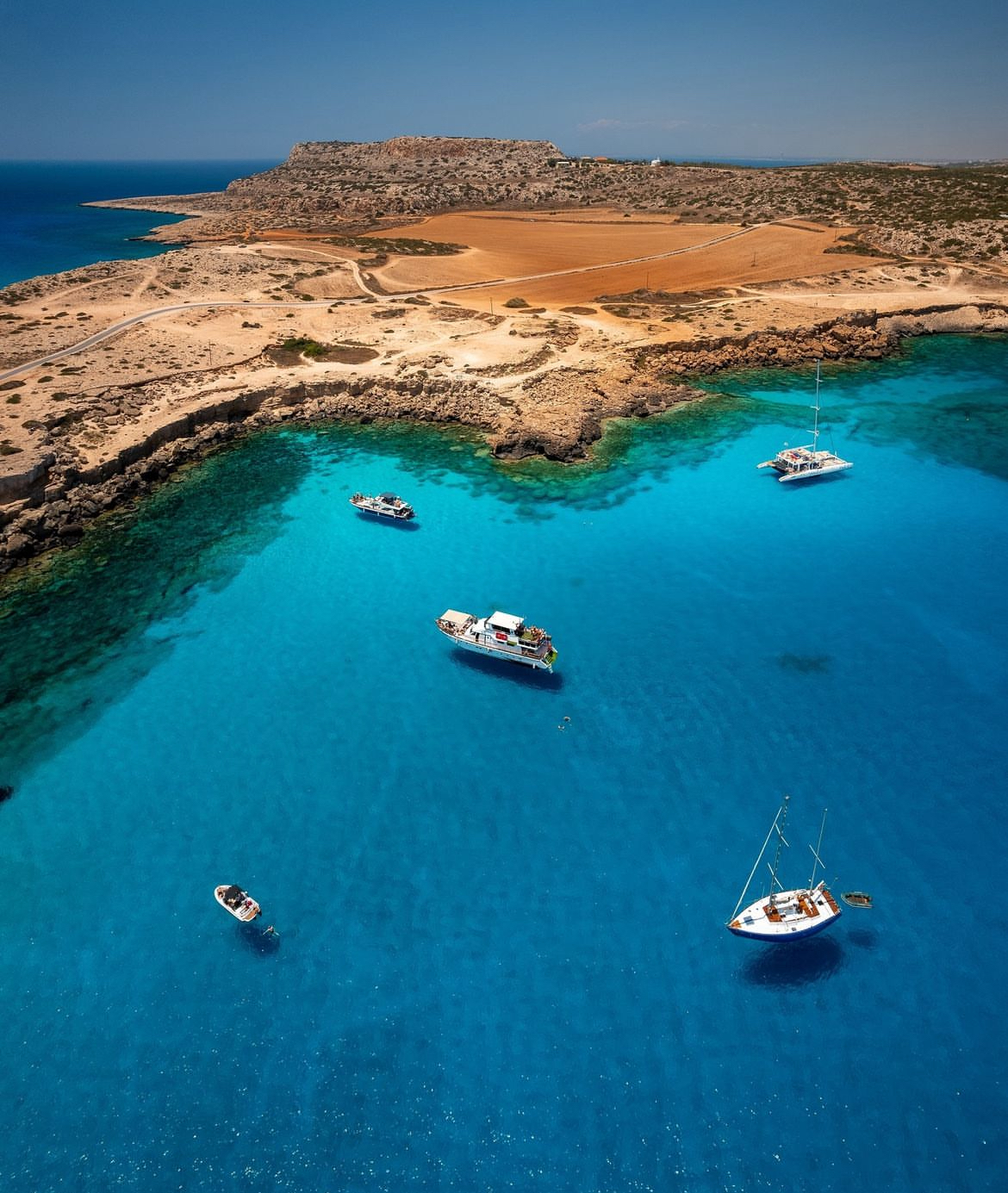
Cape Greco National Forest Park
Wind-carved sea caves, blue holes and a network of clifftop and coastal trails on the island’s south-east horn, with a tiny white chapel above the water.
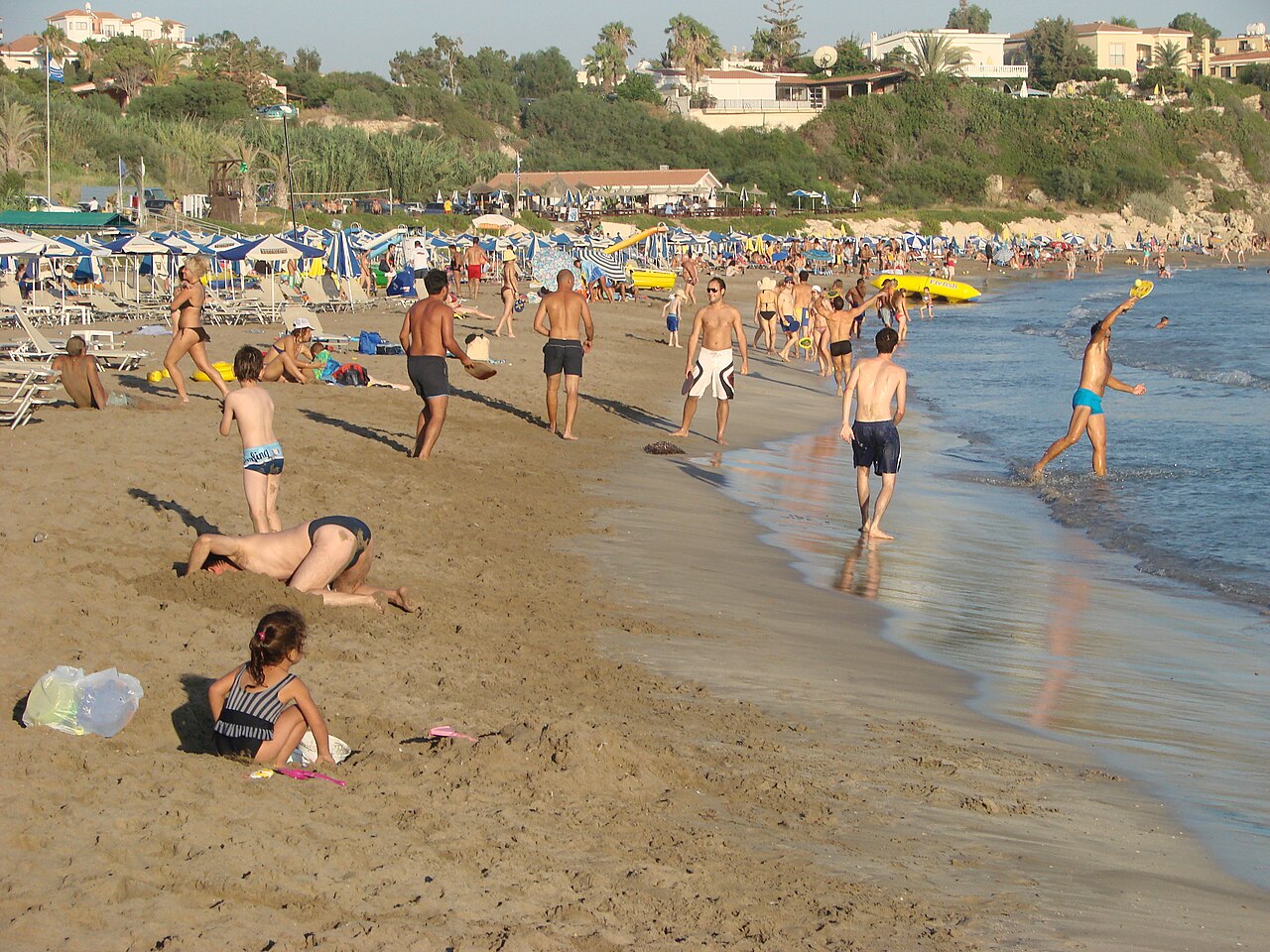
Petsas Rent a Car
One of Cyprus’s longest-running car hire firms — in business for over 60 years, the company says — with desks at Larnaca and Paphos airports and offices in Nicosia, Limassol, Paphos town and Ayia Napa.
Turn this into your own trip — save the spots you like and plan the days.