
Things to Do in Limassol: Old Town, Marina & Beyond
Castle lanes, the Molos promenade, ancient Kourion, big beaches and wine villages in the hills — Limassol rewards a proper explore.
Limassol is the city Cypriots go to when they want a good night out, and that tells you most of what you need to know. It is not a museum piece like parts of Paphos, and it is not a purpose-built resort like Protaras — it is a real, working, slightly glossy Mediterranean city where the old town's tangle of lanes sits ten minutes' walk from a superyacht marina. If you are wondering whether there are enough things to do in Limassol to justify basing yourself here, the answer is a comfortable yes.
The short version: spend a morning in the old town and castle quarter, walk the Molos promenade to the marina, give yourself a beach afternoon at Lady's Mile or Governor's Beach, and set aside a half day each for ancient Kourion and the wine villages in the Troodos foothills. Add in what is arguably the best restaurant scene on the island and you have three or four days that never repeat themselves.
One honest note before you start: Limassol is a long, thin city strung along the coast, and the traffic on the seafront road can be slow in summer. Walk or cycle the promenade where you can, and save the car for the day trips — everything worth doing out of town is within about forty minutes' drive.
Start in the old town and castle quarter
The medieval castle is the anchor of old Limassol, and the streets around it are the most atmospheric part of the city — a compact knot of lanes where carob warehouses have become cafés and galleries, and where you can still find a cobbler or a barber trading between the wine bars. Richard the Lionheart is said to have married Berengaria of Navarre here in 1191, which the city has never stopped mentioning, and the castle now houses a medieval museum worth an hour of your time.
Give the wider old town a slow wander rather than a checklist. Agiou Andreou, the long shopping street, runs the length of it; the covered municipal market and the mosque and church sitting close together tell you something about the city's layered history. This is also where much of the best eating and drinking hides — more on that below.
Walk the Molos promenade to the marina
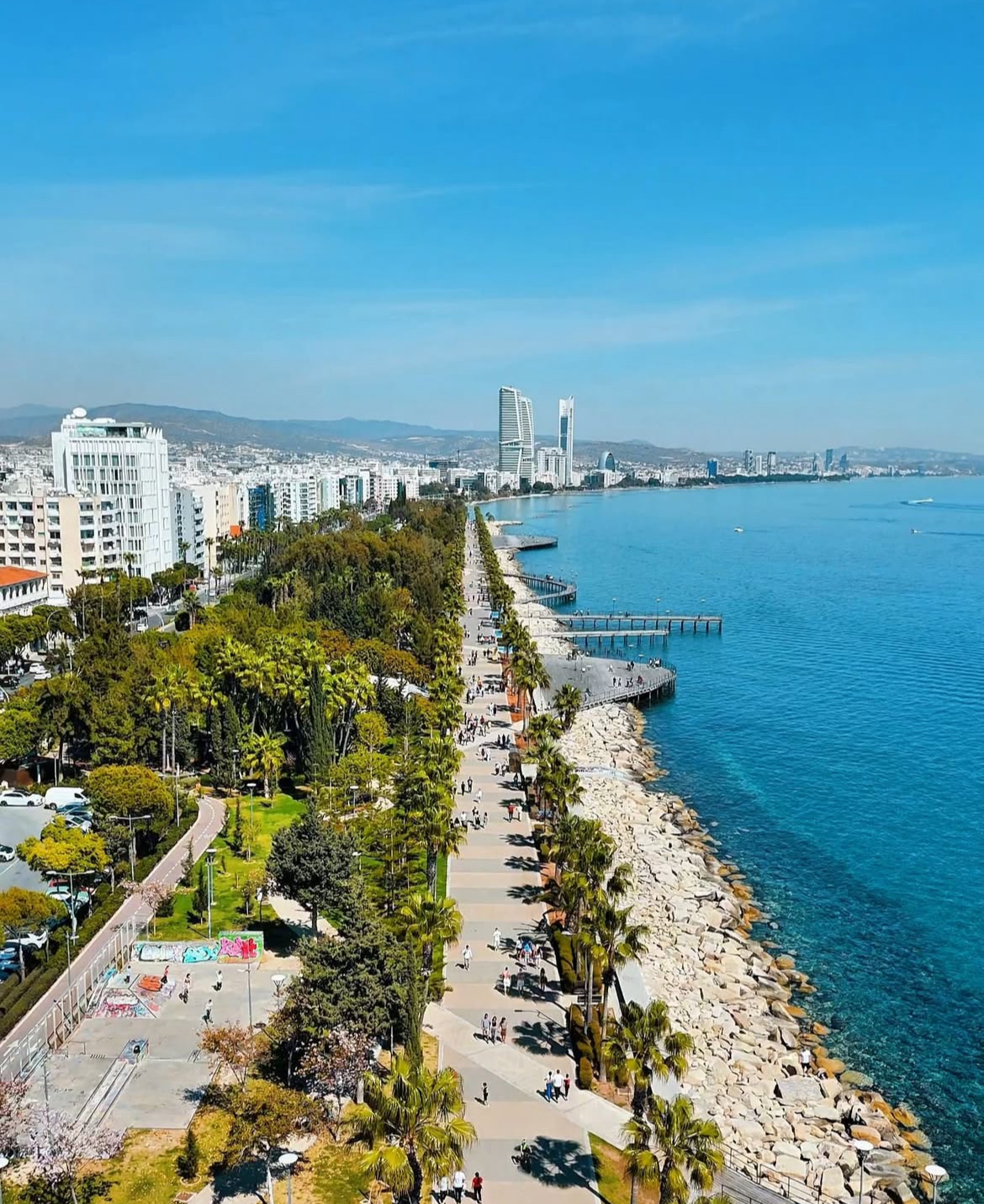
The Molos is Limassol's seafront park and promenade, and it is where the city actually lives — joggers at dawn, families in the sculpture park at dusk, old men arguing over tavli in between. It runs along the water from the old port area past open lawns, palm-lined paths and a line of modern sculptures, and it is flat, shaded in stretches and genuinely lovely at sunset. If you only have one evening in the city, spend it here.
At the western end you reach the marina, a polished modern development of yacht berths, restaurants and boutiques built out over the water. It is unashamedly upmarket and not remotely traditional, but the people-watching is excellent and the views back along the coast are the best in the city. The old fishing port next door, with its low-key fish taverns, makes a nice contrast if the marina feels too shiny.
Pick your beach: Lady's Mile or Governor's Beach
Limassol's city beaches are serviceable rather than spectacular — dark sand, calm water, easy access — so it is worth going slightly out of town for something better. West of the city on the Akrotiri peninsula, Lady's Mile is a long, flat ribbon of sand and shallow water that goes on for kilometres, with a scattering of laid-back beach taverns and plenty of space even in August. The water stays waist-deep for a long way out, which makes it one of the best beaches on the island for small children.
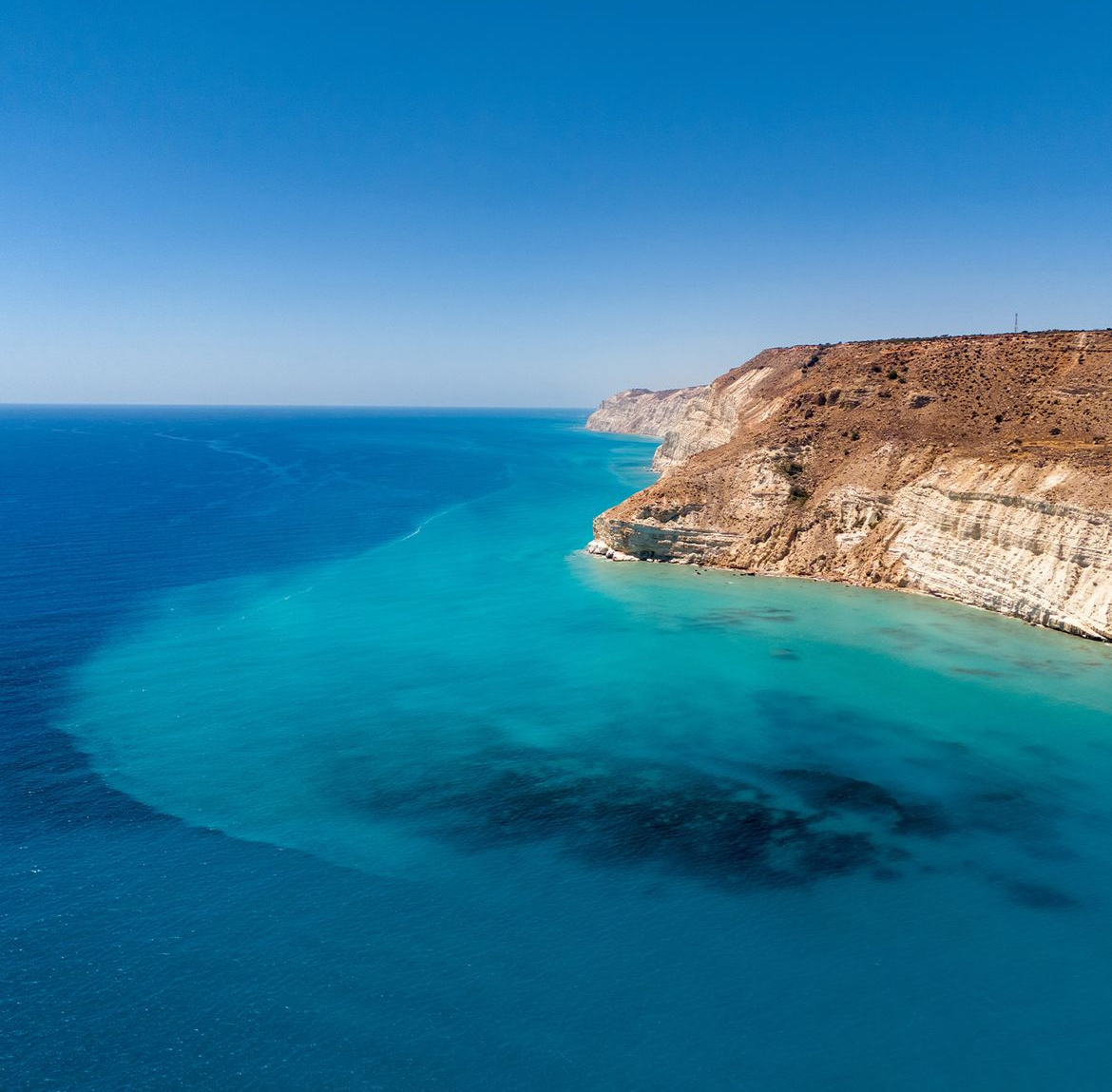
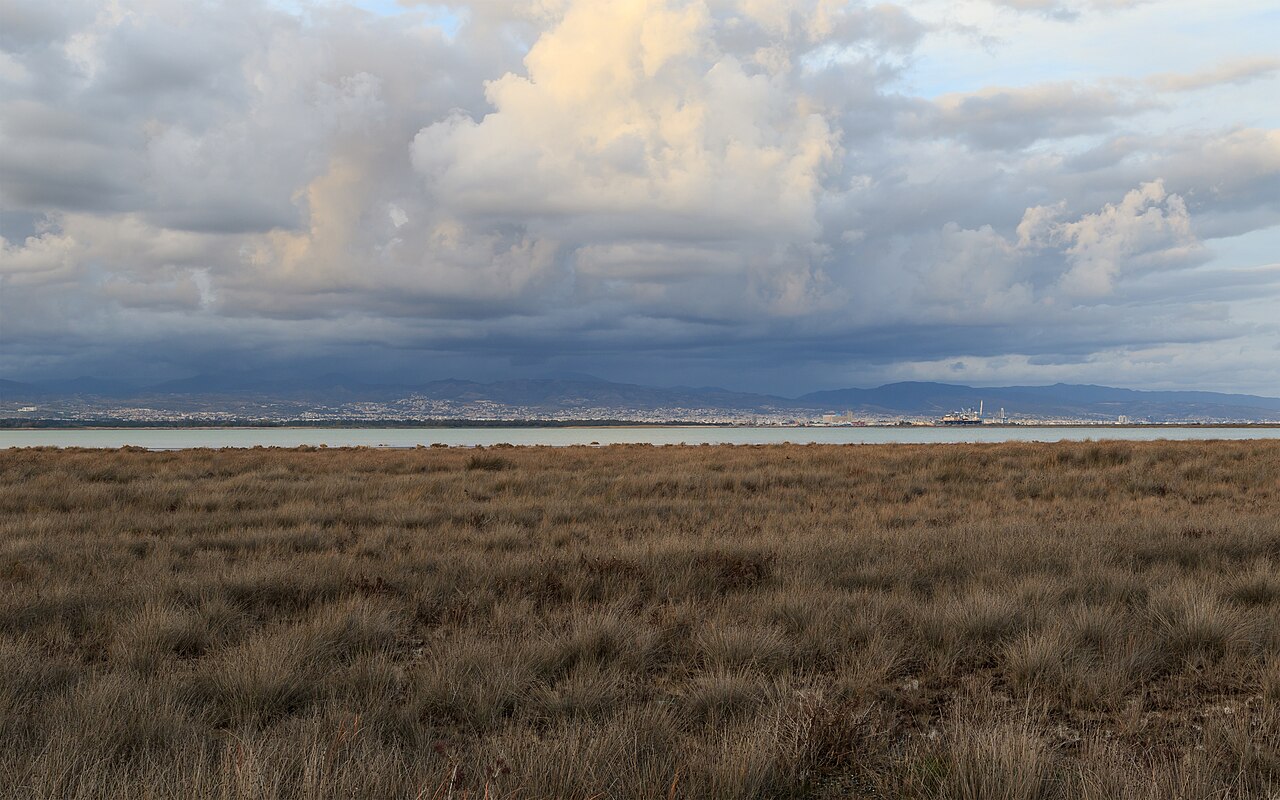
East of the city, Governor's Beach is a different animal: white chalk cliffs dropping to dark sand coves, with a couple of long-established fish taverns above the water. It gets busy with local families at weekends, and the contrast of white rock against blue sea is genuinely photogenic. While you are out on the Akrotiri side, the salt lake is worth a slow drive-by — flamingos gather on the water in the wetter months, and the landscape feels like nowhere else near the city.
Fair warning on both: neither is a postcard golden-sand beach in the Protaras mould. What they offer instead is space, character and a more local crowd.
Go back two thousand years at Kourion and Kolossi
Kourion, about twenty minutes west of the city, is the best ancient site in this half of Cyprus and arguably the most dramatically located ruin on the island — a Greco-Roman city spread across a bluff high above the sea, with a restored ancient theatre still used for summer performances and mosaic floors that have survived in remarkable condition. Go early or late in summer; there is very little shade up there, and the light at the end of the day is glorious. Entry is €4.50, and it is worth every cent.
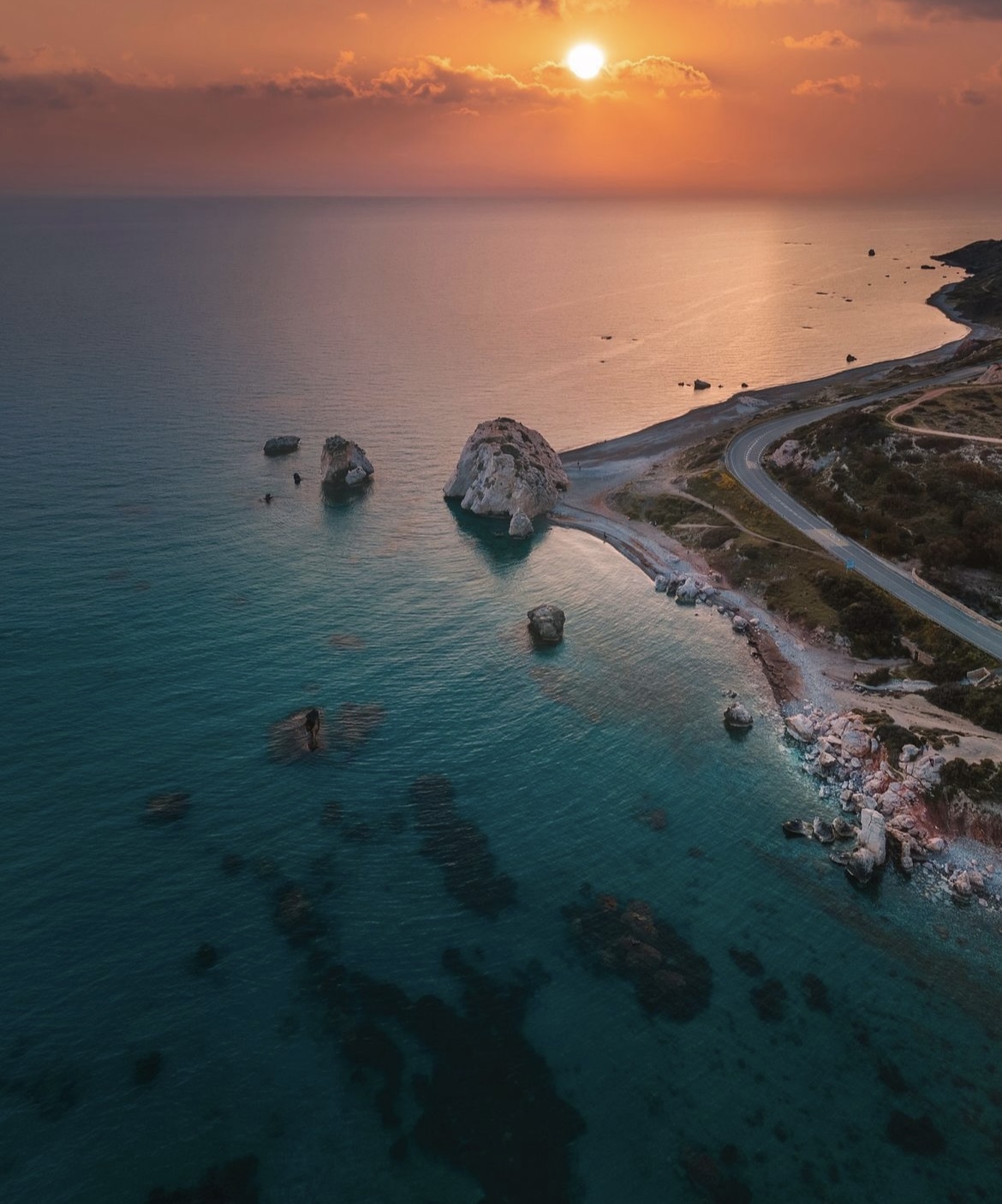
Nearby, Kolossi Castle is a compact medieval keep surrounded by citrus groves — the former headquarters of the Knights of St John, whose commanderie gave its name to the sweet Commandaria wine still made in the hills above. It is a quick visit, €2.50 to enter, and pairs naturally with Kourion for an easy half-day of history. If you are continuing west towards Paphos afterwards, the sea stack at Aphrodite's Rock makes a fine final stop on the same road.
Do a wine villages day trip into the foothills
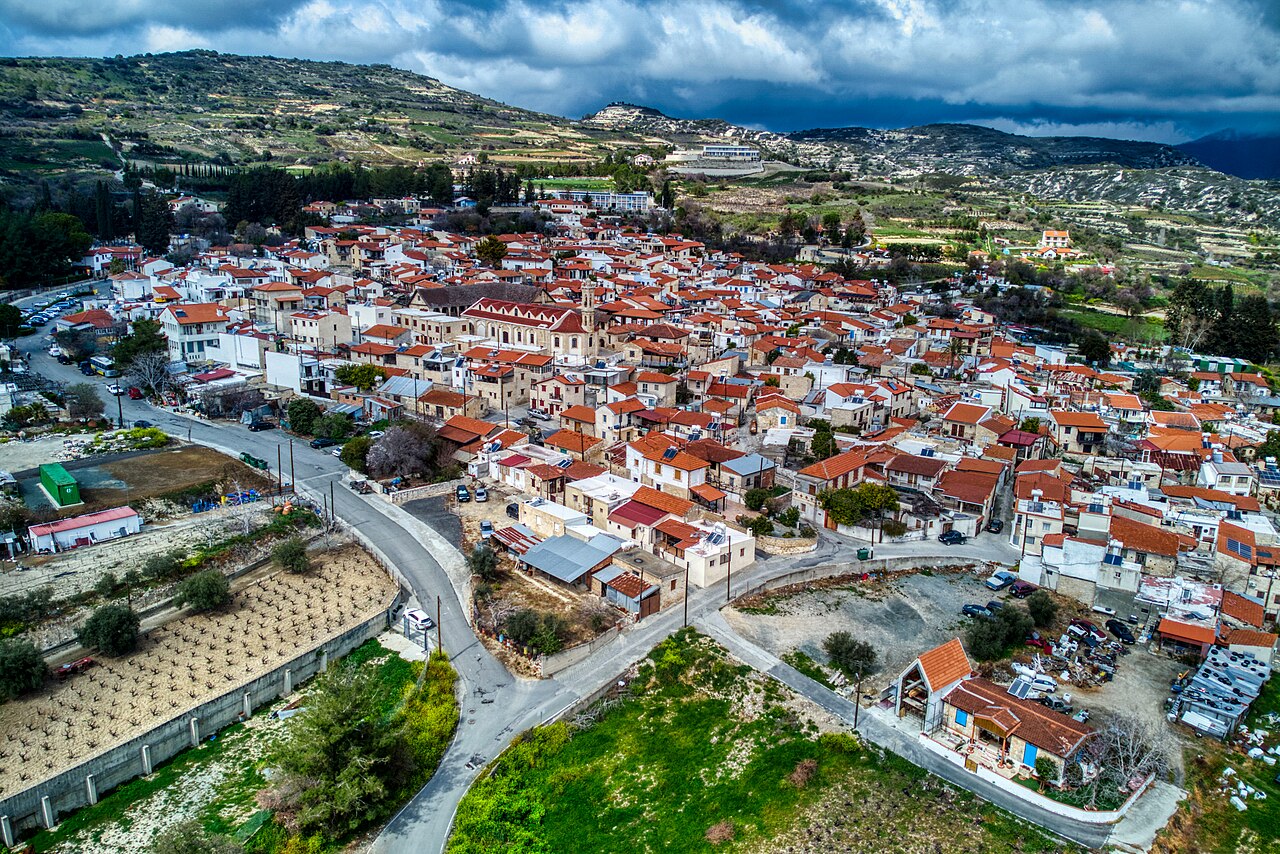
Limassol's back garden is the Krasochoria — the wine villages scattered through the Troodos foothills north-west of the city, where families have been making wine for centuries and small modern wineries now offer tastings alongside the old-school stuff. Omodos is the best known: a genuinely pretty village of stone lanes wrapped around a monastery courtyard, with wine shops, bakeries selling arkatena bread and old presses on display. Yes, it gets coach tours by late morning — go early or stay for the quiet late afternoon and you will see why it is famous.
If you want to make a full day of it, keep climbing towards Platres and stretch your legs on a waterfall walk — Caledonia Waterfall sits at the end of a lovely shaded trail through the pines, and the trout restaurant at the trailhead makes a satisfying lunch stop. The whole loop of villages, tastings and mountain air is the single best day trip from the city, and it is a completely different Cyprus to the coast.
Eat your way around the city
Limassol has quietly become the best food city in Cyprus, and the range runs from grandmother-style tavernas to genuinely creative modern Cypriot cooking. In the old town, Karatello serves refined takes on Cypriot classics in a converted carob mill by the castle, while Ta Piatakia — 'the little plates' — has built a loyal following for its inventive small-plate spins on local ingredients. For a more classic, courtyard-taverna evening, Dionysos Mansion does the traditional repertoire with polish.
The honest advice: skip the identikit tourist menus on the seafront strip and walk five minutes inland. The old town lanes and the streets around the castle are where the kitchens worth your money are, and in summer you should book ahead for the popular ones — this is a city where locals eat out a lot, and weekend tables go fast.
After dark: bars, beach clubs and the seafront
Limassol's nightlife is more grown-up than Ayia Napa's and better than anywhere else on the island for a proper bar crawl. The old town is the heart of it — Lost+Found is the standard-bearer, a cocktail bar with a serious international reputation, and the surrounding lanes are full of wine bars and late-night spots that fill with a young local crowd rather than tourists.
In summer, the action shifts to the water. Guaba Beach Bar, on the seafront east of the centre, is the island's most famous open-air party — DJ sets, sunset sessions and a serious crowd on summer weekends. It is loud, packed and not for everyone, but if you want one big beach-party night in Cyprus outside Ayia Napa, this is it. For something calmer, an evening drink at the marina or a slow walk back along the Molos rounds the night off nicely.
Frequently asked
How many days do you need in Limassol?
Three full days covers the essentials comfortably: one for the old town, castle and Molos promenade, one for Kourion, Kolossi and a beach afternoon, and one for the wine villages in the Troodos foothills. Add a fourth if you want a lazy beach day at Lady's Mile or Governor's Beach without rushing.
Is Limassol worth visiting compared with Paphos or Ayia Napa?
Yes, but for different reasons. Limassol is a real working city with the island's best food and bar scene, good history on its doorstep and easy access to the mountains. Its beaches are weaker than Ayia Napa's and its ancient sites less famous than Paphos's, so it suits travellers who want city life plus day trips rather than a pure resort holiday.
How much does it cost to visit Kourion and Kolossi Castle?
Kourion costs €4.50 and Kolossi Castle €2.50 — the standard entry fees for state-run archaeological sites in Cyprus. Both sit a short drive west of Limassol and combine naturally into a half-day trip.
What is the best beach near Limassol?
For space and shallow, child-friendly water, Lady's Mile on the Akrotiri peninsula is the local favourite. For scenery, Governor's Beach east of the city, with its white chalk cliffs and fish taverns, is the more photogenic choice. The city-centre beaches are convenient but ordinary by Cyprus standards.
Can you visit the wine villages without a car?
It is difficult. Public buses to villages like Omodos are infrequent and slow, so most visitors either hire a car or join an organised wine-village tour from Limassol. If you drive, the roads are good but winding — allow around forty minutes each way and share the driving if you are tasting wine.
Events in and around Limassol

Limassol Wine Festival — 65th edition
The biggest wine festival in Cyprus, running nine days in the Municipal Gardens on the seafront. Entry is €5 for adults (€3 for 13–17s, under-12s free) and the wineries’ tastings inside are free; a wine glass costs €1.50–2.50 extra. Food, music and dance every evening.
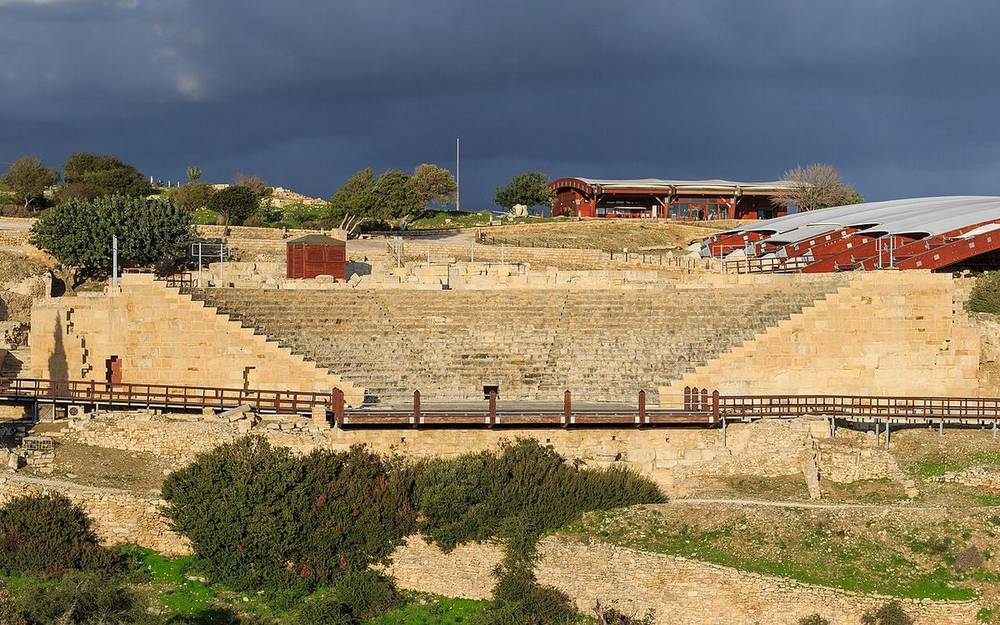
Aida Garifullina & the Cyprus Symphony Orchestra at Kourion
Two evenings of opera arias and songs with the soprano Aida Garifullina, tenor Kirill Sikora and baritone Semyon Antakov, accompanied by the Cyprus Symphony Orchestra under Myron Michailidis, in the Greco-Roman theatre on the cliff at Kourion. Concerts start at 8pm; tickets from €80.
International Short Film Festival of Cyprus
The island's official short-film competition, staged each October at Limassol's elegant Rialto Theatre and a partner of the European Film Academy. A week of fiction, animation, documentary and experimental shorts from Cyprus and around the world screens to a genuinely engaged audience, ending with an awards night. Tickets are modest, and it is a great window into new filmmaking talent.
Cyprus Symphony Orchestra — From Saint-Saëns to Carmen
The orchestra’s “Starlight 1” programme, played twice: Saint-Saëns’s Piano Concerto No. 2 with George-Emmanuel Lazaridis, Bizet’s Carmen Suites and the Cyprus premiere of Nestor Taylor’s “The Path of the Archangel”, conducted by Zoe Zeniodi. Nicosia on 15 October, Limassol on 16 October, 8.30pm; tickets €12–25.
Commandaria & Tradition Festival, Kalo Chorio
A weekend in Kalo Chorio, one of the villages that make Commandaria, built around the sweet wine and the harvest traditions that go with it: help prepare palouzes, taste the village’s traditional products for free, and try Commandaria and zivania. Free entry.
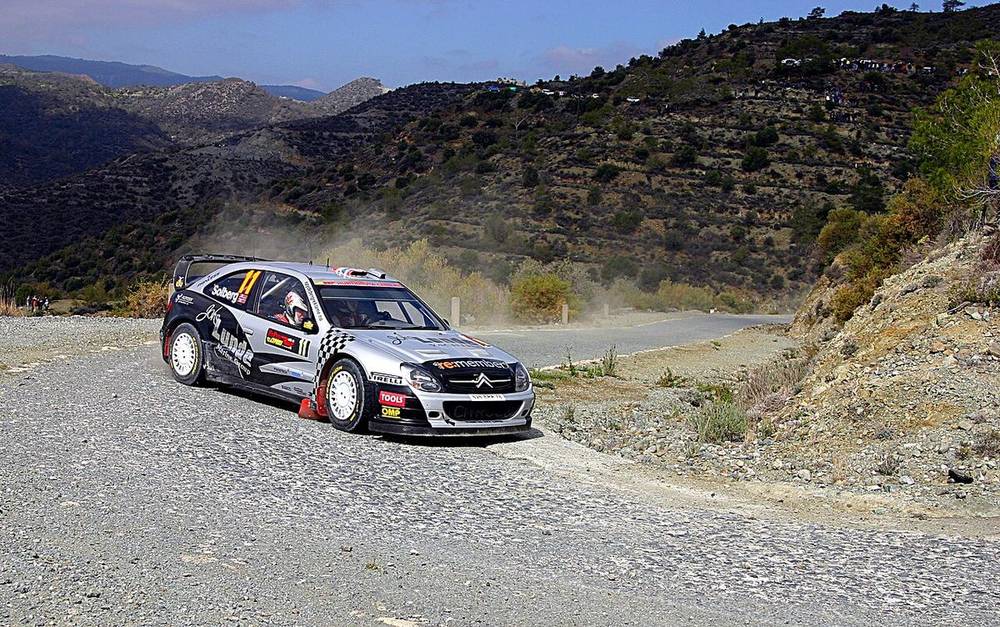
Cyprus Rally
One of the older events on the international rally calendar, run since 1970 on the winding gravel roads of the Troodos mountains above Limassol, usually in October. Watching from the roadside stages is free, and the sight and sound of rally cars sliding through the pine forest is a real thrill for petrolheads. Stages and dates are published in advance — follow the marshals and arrive early for the best spots.
Featured in this guide
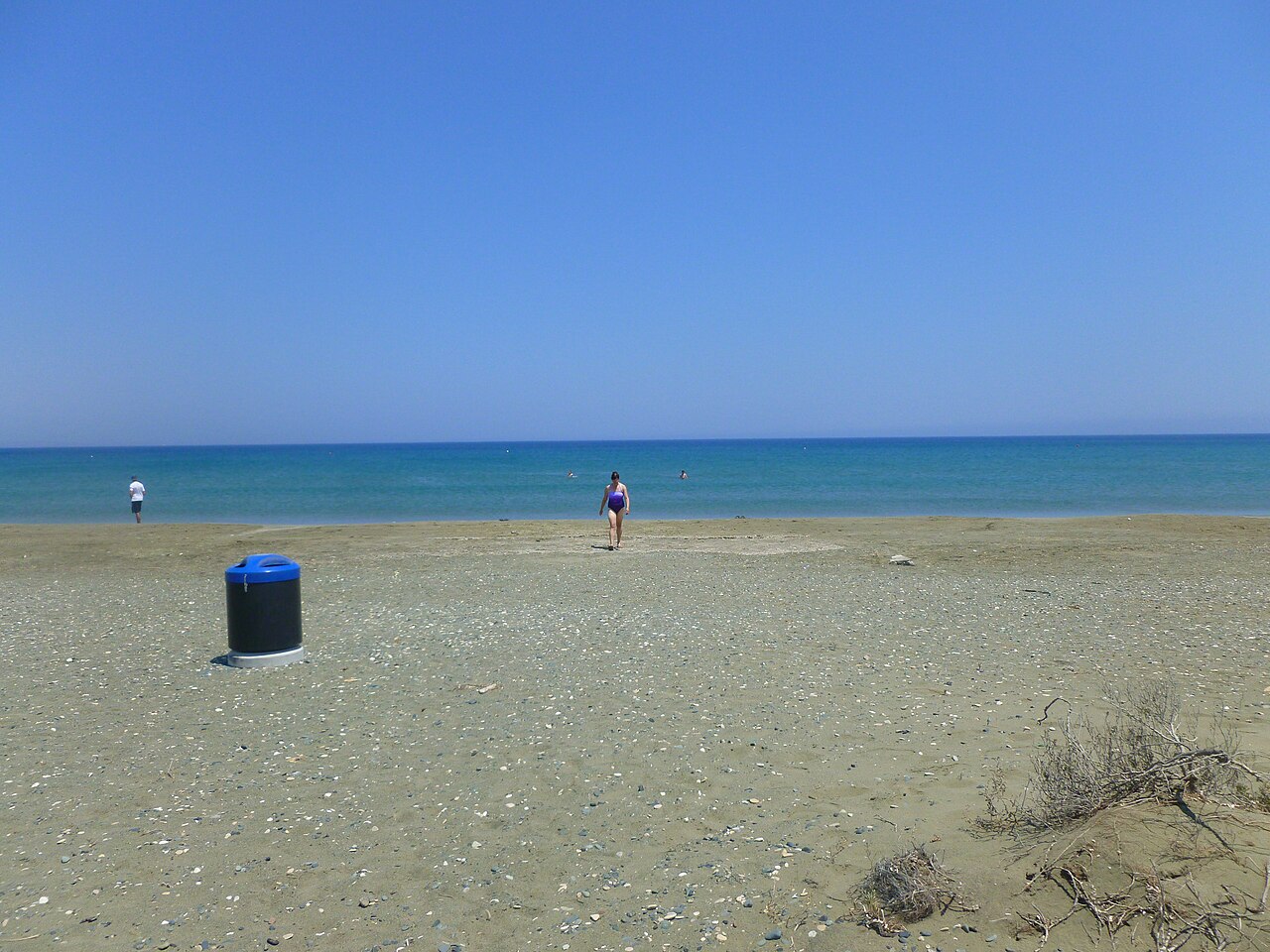
Lady’s Mile Beach
A flat, mile-long ribbon of hard sand on the Akrotiri peninsula with shallow warm water and a string of laid-back beach bars — the locals’ long-walk-and-swim beach.
Governor’s Beach
Brilliant white chalk cliffs drop to a string of small dark-sand coves and clear water — the contrast of pale rock and deep sea is unmistakably Cypriot.
Akrotiri Salt Lake
The island’s largest inland lake, where flamingos gather in their thousands each winter. A flat birding trail and hide skirt the water beneath the Fasouri eucalyptus avenue.
Omodos Village
A cobbled wine village built around the Monastery of the Holy Cross, ringed by vineyards and lined with cellars pouring indigenous Commandaria and Zivania.
Petra tou Romiou — Aphrodite’s Rock
The mythical birthplace of Aphrodite, where sea stacks rise from a pebble beach. Swim a loop around the rock at dusk, when the whole bay turns molten gold.
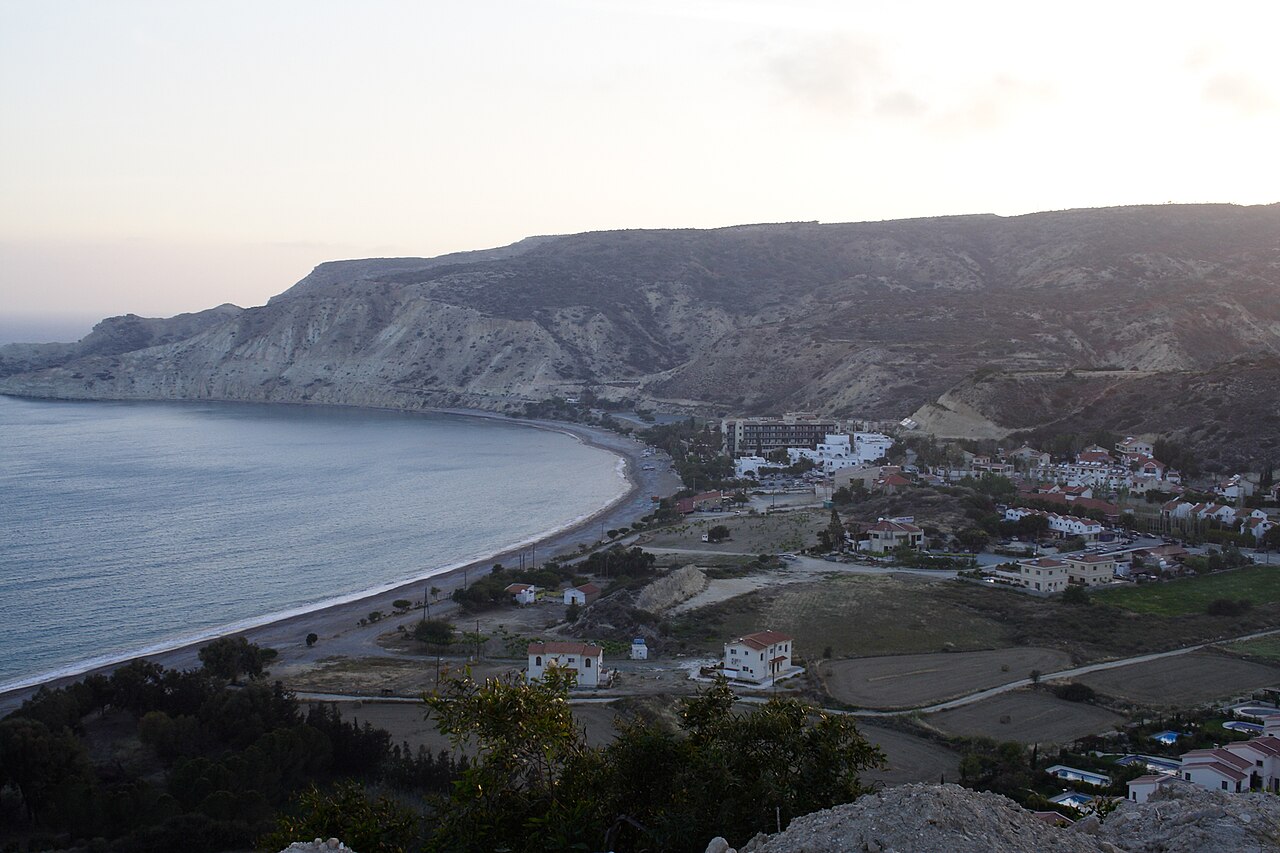
Pissouri Bay
A long, calm crescent bay tucked beneath farmland and white cliffs, ringed by tavernas — sheltered, shallow and made for a slow swim at sundown.
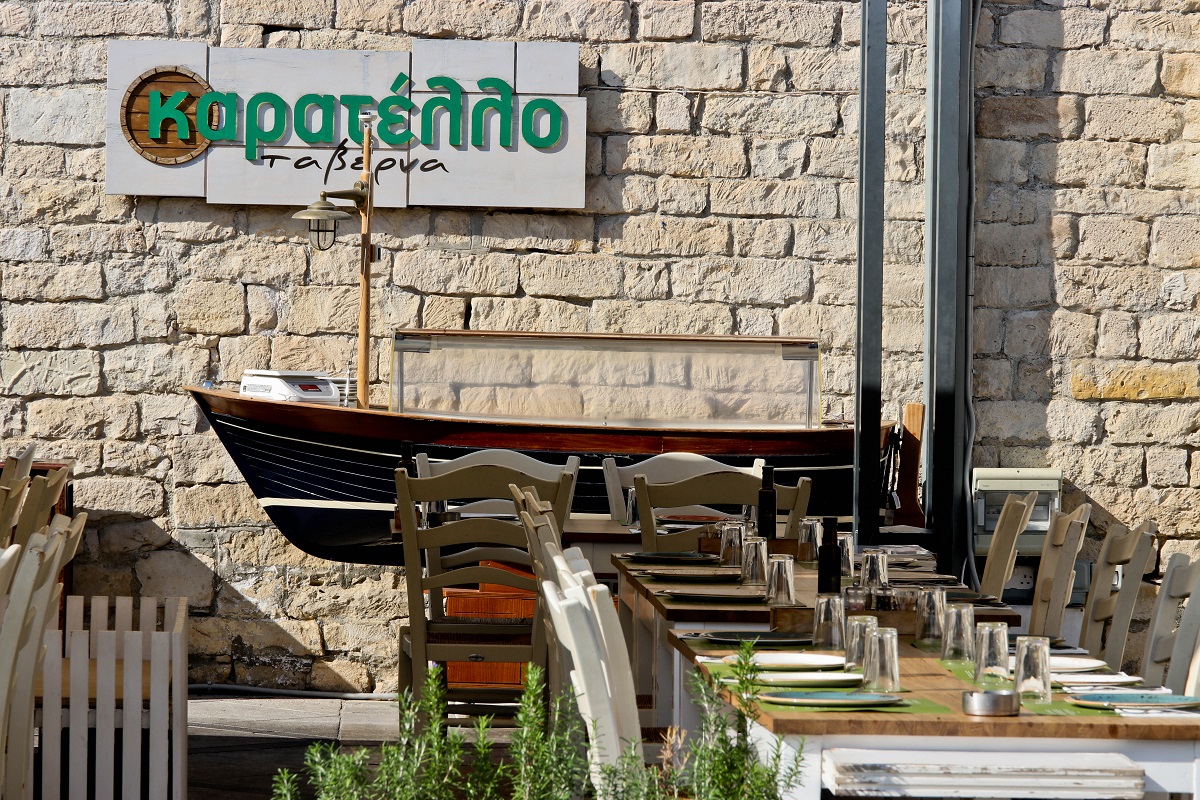
Karatello Tavern
A restored 1800s carob warehouse beside the castle pouring village wine over a generous meze.
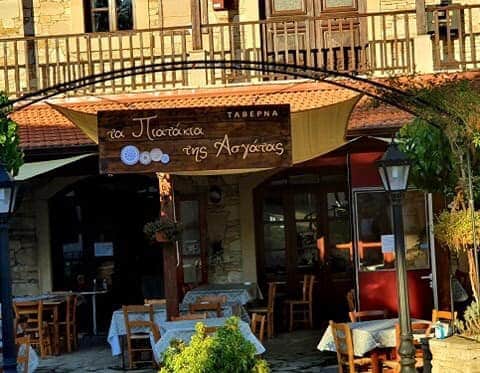
Ta Piatakia
Chef Yiannos Ioannou reimagines Cypriot small plates with flair — playful and beautifully plated.
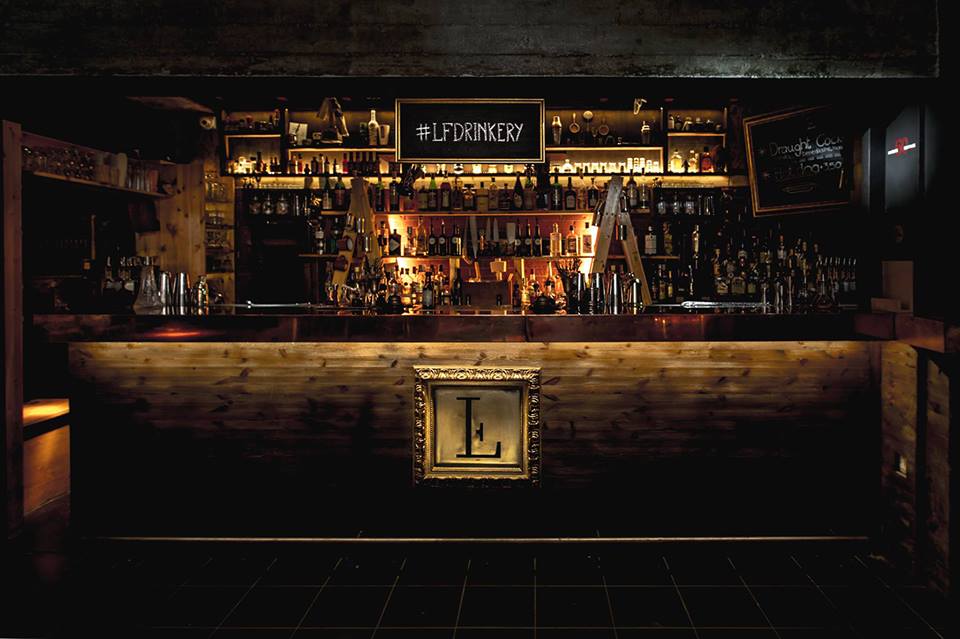
Lost + Found Drinkery
An internationally awarded cocktail bar in the old city with inventive, theatrical drinks.
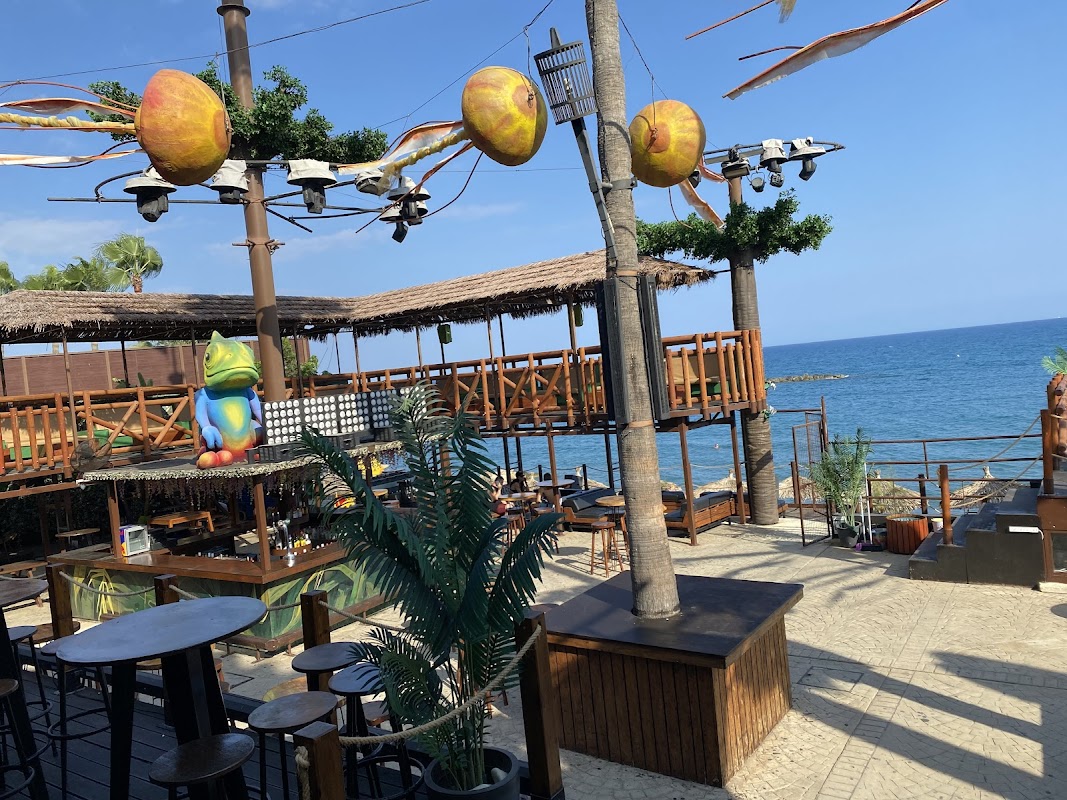
Guaba Beach Bar
A legendary sundown beach club — cocktails on the sand and big-name DJ parties.
Turn this into your own trip — save the spots you like and plan the days.