
Troodos Mountains: Waterfalls, Wine Villages & Trails
A cooler-escape guide to the Troodos: waterfalls, Krasochoria wine villages, Mt Olympus trails and where to eat in the hills.
The Troodos massif is the cool green heart of Cyprus, rising to nearly 2,000m at Mt Olympus, and the best things to do here cluster around four simple pleasures: chasing waterfalls, wandering the Krasochoria wine villages, walking the pine-shaded nature trails, and ducking into centuries-old painted churches. When the coast bakes in summer, the hills run noticeably cooler, the air smells of pine and resin, and a day trip up here feels like a different country.
If you only have one day, base yourself around Platres and Troodos Square: you can walk to a waterfall, drive a wine-village loop, and still be at a hillside taverna for a long lunch. With two or three days you can slow right down, sleep in a stone village, and let the switchback roads do the work. A hire car makes all of this far easier; public transport into the high villages is thin and not something to rely on.
Below you'll find the main waterfalls worth the walk, the wine villages that anchor the Krasochoria, the headline trails on and around Mt Olympus, the painted-church atmosphere that earns this range its UNESCO listing, and a few honest picks for eating in the hills. Expect winding roads, patchy phone signal, and far fewer facilities than the resorts, all of which is rather the point.
The waterfalls worth the walk
The Troodos has a cluster of genuine waterfalls, and the headline one is the Caledonia Waterfall Trail near Platres, where a shaded path follows a stream down through pines to a tall, cool cascade. It's a there-and-back walk on an uneven, sometimes slippery path, so wear proper shoes and allow time for the climb back up. The reward is real shade and the sound of running water even in high summer.
For something shorter, Millomeris Waterfall above Pano Platres is one of the tallest on the island and reachable by a steep but brief path. Further east, Mesa Potamos Waterfall near Saittas sits beside a tranquil monastery and a small cafe, while Chantara Waterfall over towards Foini rounds out a satisfying waterfall day. None of these are vast, but strung together they make a lovely cool-escape itinerary.
A practical note: flow is strongest after the wetter winter and spring months and can thin out by late summer. The walks are still worth it for the shade and scenery, but manage expectations if you visit in the hottest, driest stretch.
The Krasochoria: wine villages of the hills
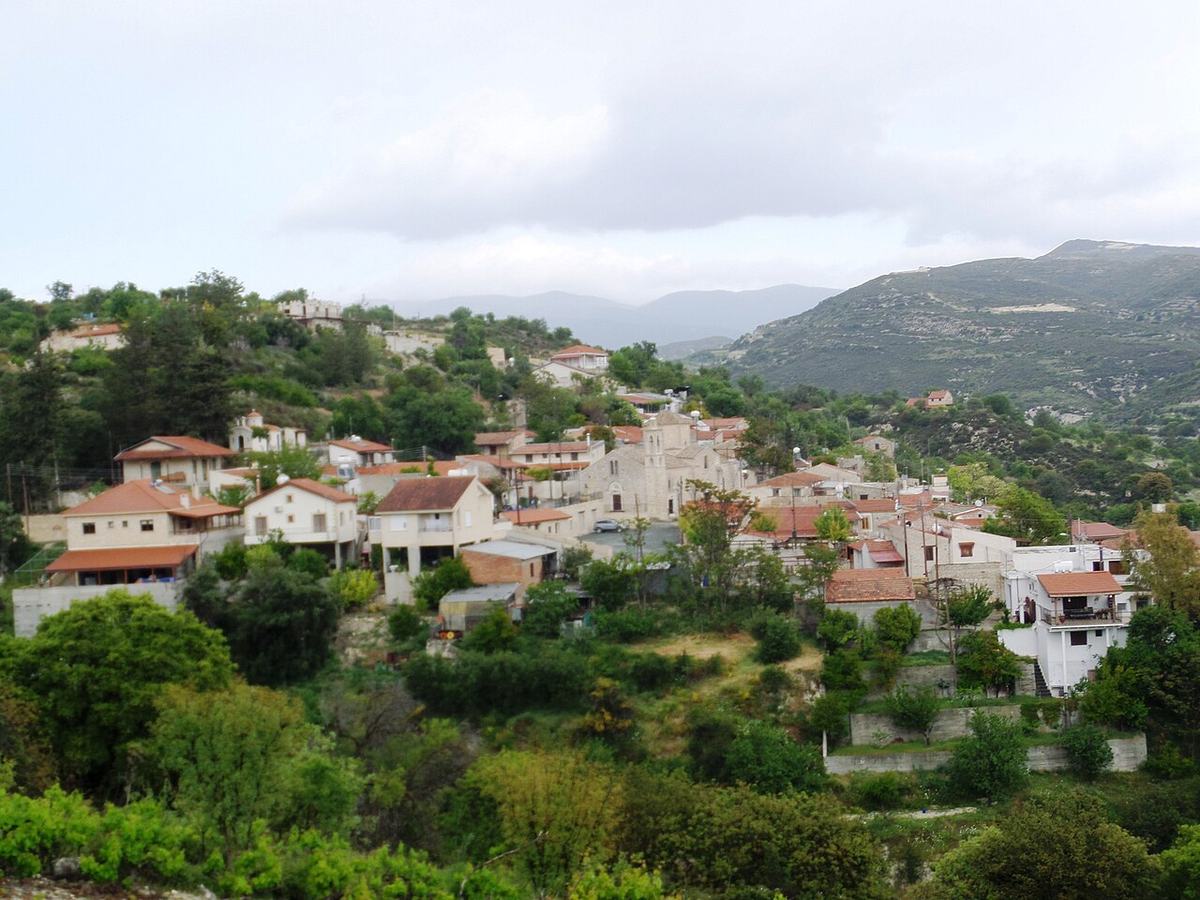
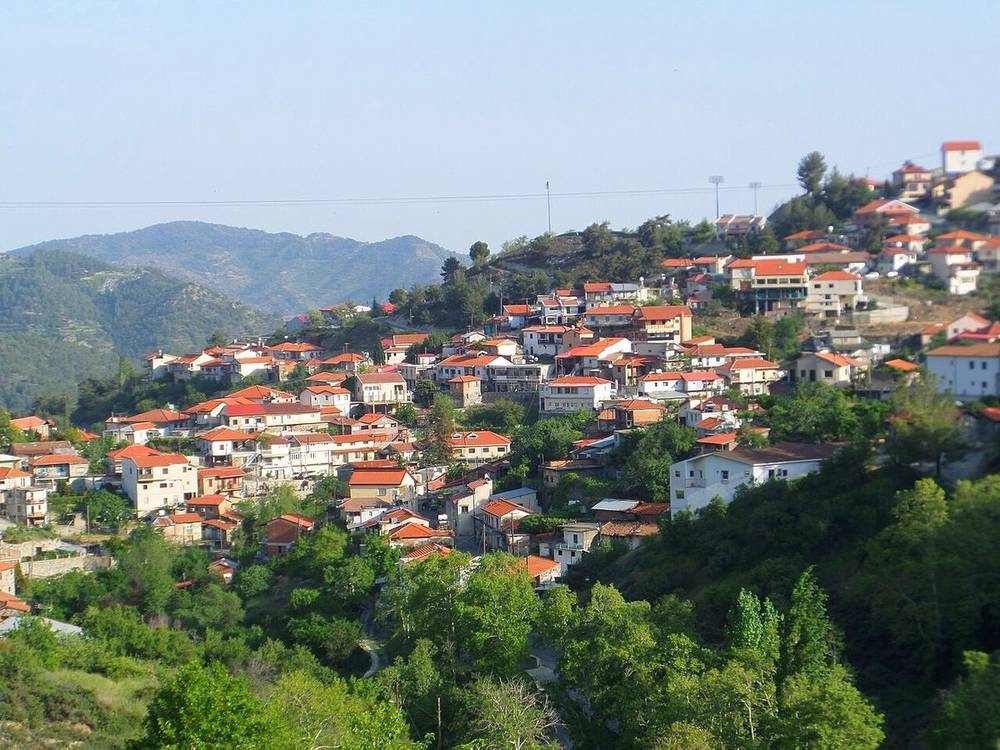
The southern slopes of the Troodos are the Krasochoria, literally the wine villages, a scatter of old settlements set among some of the highest vineyards in Cyprus. The most visitor-friendly base is Omodos, a cobbled village built around a monastery square, lined with small wineries, lacework shops and places selling the local firewater, zivania, and traditional sweets.
Omodos works well as a slow half-day: park on the edge, wander the lanes, taste a few local wines, and look out for indigenous Cypriot grapes like xynisteri and the red maratheftiko. Surrounding villages each have their own family wineries, and the roads between them are an unhurried pleasure in their own right.
Keep expectations honest: this is small-scale, family-run wine country rather than a polished tasting-room circuit, and some cellars keep informal hours. That informality is the charm, but it pays to be relaxed about timings and to have a designated driver for the winding return.
Nature trails on Mt Olympus
The high country around Troodos Square is laced with well-marked nature trails, and the classic is the Artemis Trail, a roughly circular path that loops around the upper slopes of Mt Olympus at around 1,900m. It's mostly gentle underfoot with black pines, juniper and big views, and the altitude keeps it cool even when the lowlands swelter.
There are shorter and longer options too, from the Atalante Trail lower down to gentler village walks, so you can match the effort to your group. Carry water, sun cover and a layer, as the weather up high can turn quicker than on the coast, and start earlier in summer to beat the midday heat.
If you'd rather walk among forest and old bridges than peaks, the Paphos forest side of the range rewards a detour. The Kelefos Venetian Bridge is a beautifully preserved packhorse bridge tucked into the woods, an easy, atmospheric stop that pairs well with a slow drive.
Painted churches and stone villages
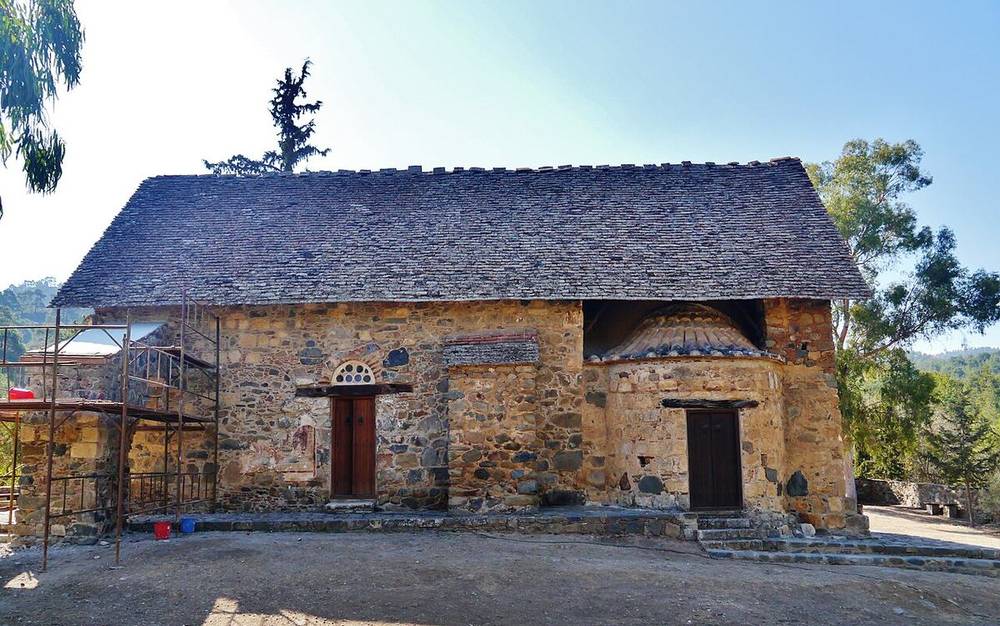
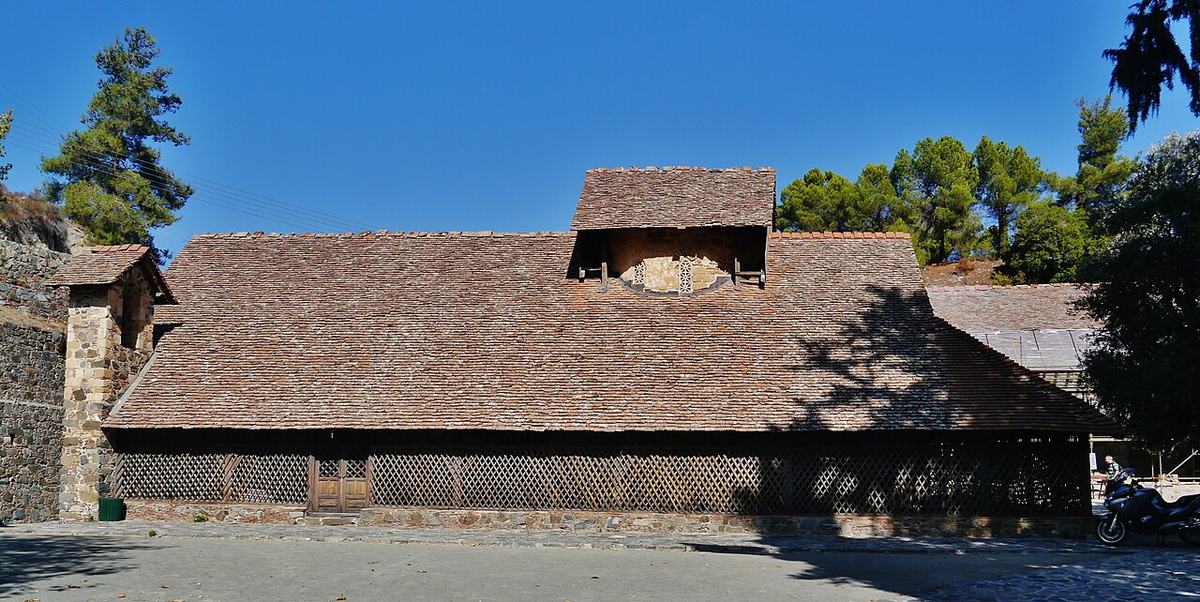
The Troodos is famous for a string of small Byzantine churches whose interiors are covered in vivid medieval frescoes, several of them protected as a UNESCO World Heritage group. They are often plain and barn-like on the outside, with steep timber roofs, so the painted world within comes as a genuine surprise.
You don't need to be an art historian to enjoy them. Pairing a church or two with a wander through a traditional village is the move, and Kakopetria in the Solea valley is a perfect example, with its restored old quarter of stone houses leaning over a rushing stream.
Practical realities: opening times can be limited and some churches rely on a local keyholder, so flexibility helps, photography inside is frequently not allowed to protect the frescoes, and modest dress is appreciated as these remain working places of worship.
Where to eat in the hills
Eating in the Troodos means hearty mountain cooking rather than seafront polish: think slow-cooked meats, mushrooms and trout, grilled halloumi, mountain greens and plenty of village bread. Many tavernas lean into the meze format, so come hungry and don't over-order at the start.
The wine villages are an obvious lunch base, with Omodos and its neighbours offering tavernas around the squares where you can pair local xynisteri or maratheftiko with whatever is coming off the grill. Up near Platres and Troodos Square you'll also find simple spots geared to walkers, ideal after a waterfall trail or a morning on the Artemis loop.
A couple of honesty notes: prices in the most touristy squares can creep up, and the best village kitchens sometimes keep shorter or seasonal hours, especially midweek and out of high summer. When in doubt, follow the locals and the car park that's busiest at lunchtime.
Frequently asked
What are the best things to do in the Troodos mountains?
Walk to a waterfall such as the Caledonia or Millomeris falls, tour the Krasochoria wine villages around Omodos, hike the Artemis Trail on Mt Olympus, visit the frescoed Byzantine churches, and have a long meze lunch in a hill taverna.
Are the Troodos mountains cooler than the coast in summer?
Yes. The high villages and peaks sit well above the lowlands, so it can feel several degrees cooler with shady pine forest and a breeze, which makes the Troodos a popular escape from the summer heat on the beaches.
Do I need a car to explore the Troodos?
Effectively yes. The waterfalls, wine villages and trailheads are spread out and public transport into the high villages is limited, so a hire car gives you the freedom to link several stops in a day. Roads are winding, so allow extra time.
Can you visit the Troodos as a day trip?
Easily. From Limassol or Paphos it's a manageable drive, and even from the southeast coast it's doable for a full day. Base yourself around Platres or Troodos Square to combine a waterfall walk, a wine-village stop and a hillside lunch.
When is the best time to see the Troodos waterfalls?
Flow is strongest after the wetter winter and spring months and can thin out by late summer. The shaded trails are pleasant year-round, but visit earlier in the warm season for the fullest cascades.
Events in the Troodos
Commandaria & Ppalouzes Day, Agios Mamas
A Sunday in Agios Mamas, one of the Commandaria wine villages in the hills north of Limassol, where you can watch — and help with — the making of ppalouzes and soutzoukos, the grape-must sweets of the harvest. Live folk music and dancing, a village market, donkey rides and storytelling for children; free entry.
Potamiou Wine & Gastronomy Festival
The fourth edition of a harvest afternoon in Potamiou, a small village in the Limassol wine country: local wine and zivania, palouzes, soutzoukos, trahanas and tremithopita, workshops in traditional cooking, a cycling wine route and folk music and dancing into the evening. Free entry.
Kyperounta Apple Festival
One of the highest villages in the Troodos, Kyperounta is apple country, and its October festival marks the harvest with an open-air market of fresh apples, juice, pies and apple vinegar, an exhibition of the apple varieties grown in Cyprus, a best-apple-pie contest, and Cypriot music and dance. Started in 2002 as a village get-together, it has run over two days since 2014. The mountain air is noticeably crisp by then, so bring a layer.
Olive & Traditional Products Festival, Nikitari
The second olive festival of Nikitari–Asinou, in the Troodos foothills west of Nicosia: guided walks with olive picking, a cracked-olive workshop, olive-grove photography walks, dancing, live music and stalls of handmade products and food. Free entry for everyone.
Festival of Authentic Traditional Flavours, Lagoudera
An all-day celebration of Cypriot village cooking high in the Pitsilia area of the Troodos: hands-on workshops making traditional cheeses and other products, free tastings of what comes off the fire, and local artisans selling their goods. Free entry, 10am to 5pm.
Commandaria & Tradition Festival, Kalo Chorio
A weekend in Kalo Chorio, one of the villages that make Commandaria, built around the sweet wine and the harvest traditions that go with it: help prepare palouzes, taste the village’s traditional products for free, and try Commandaria and zivania. Free entry.
Featured in this guide
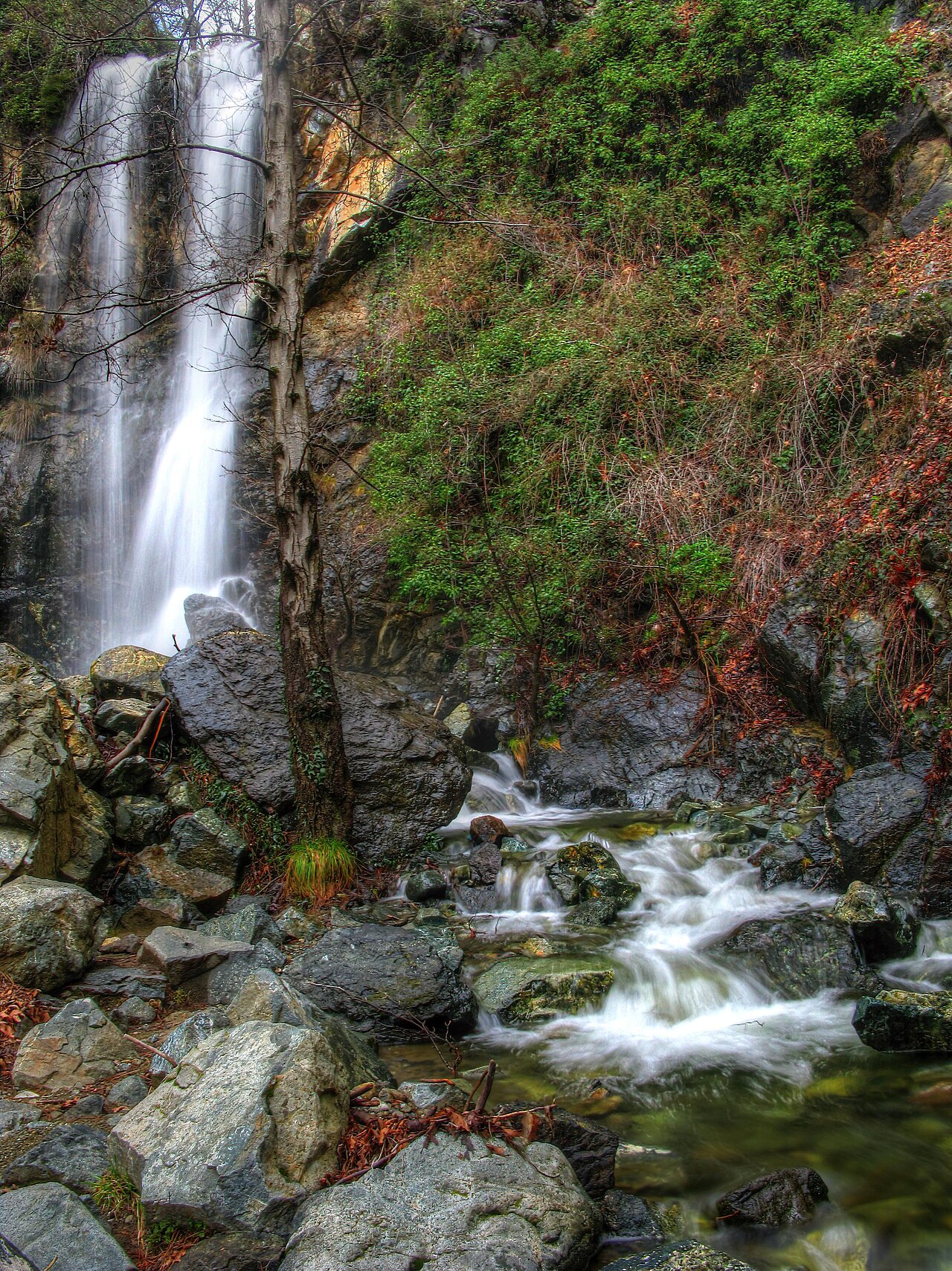
Caledonia Waterfall Trail
A cool two-hour forest loop tracing the Kryos river through pine and plane trees to a 13-metre waterfall — the island’s best escape from the August heat.
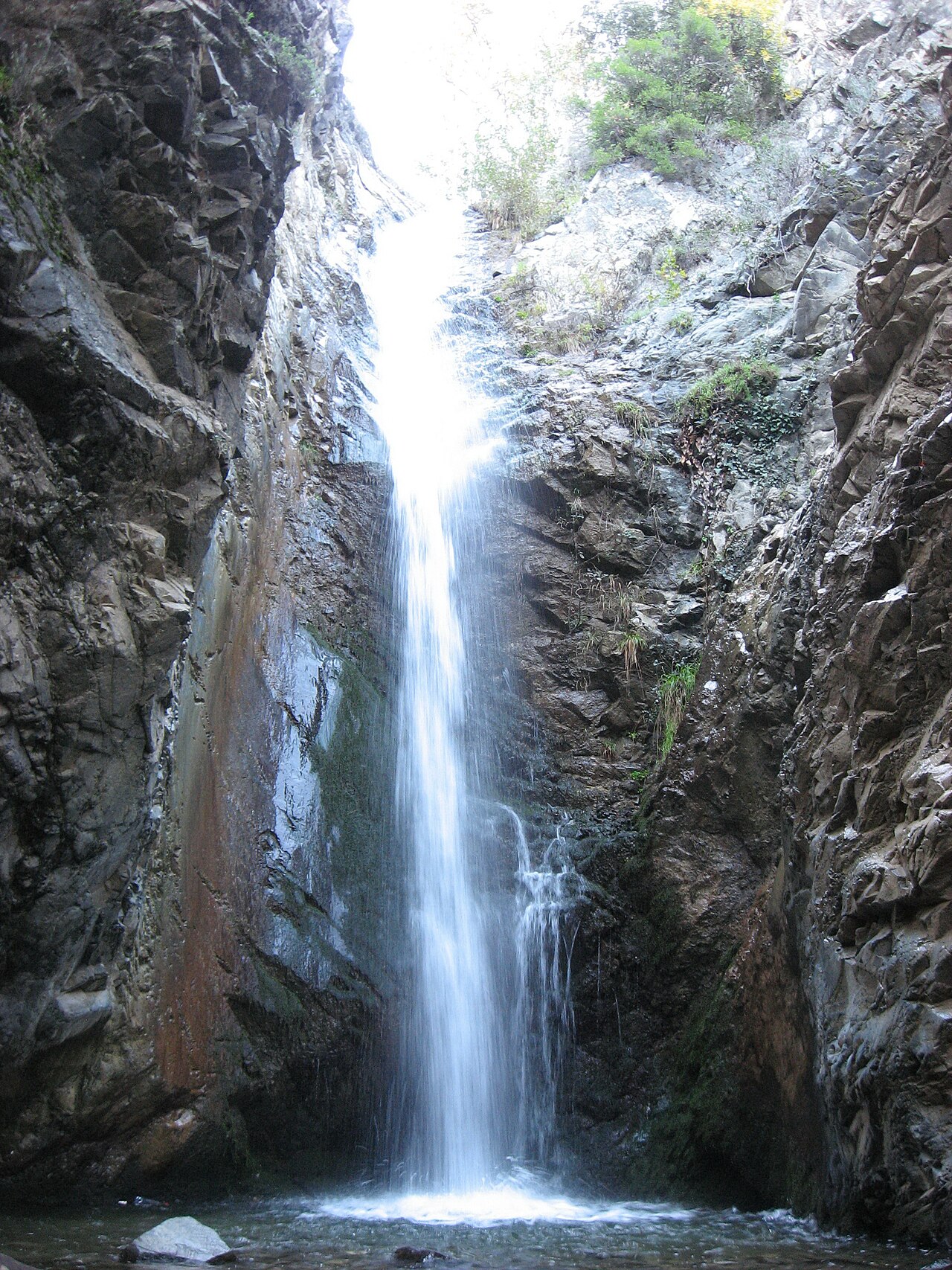
Millomeris Waterfall
At 15 metres, the tallest natural waterfall in Cyprus, plunging over a black rock face into a mossy plunge pool. A short cobbled path drops to the base.
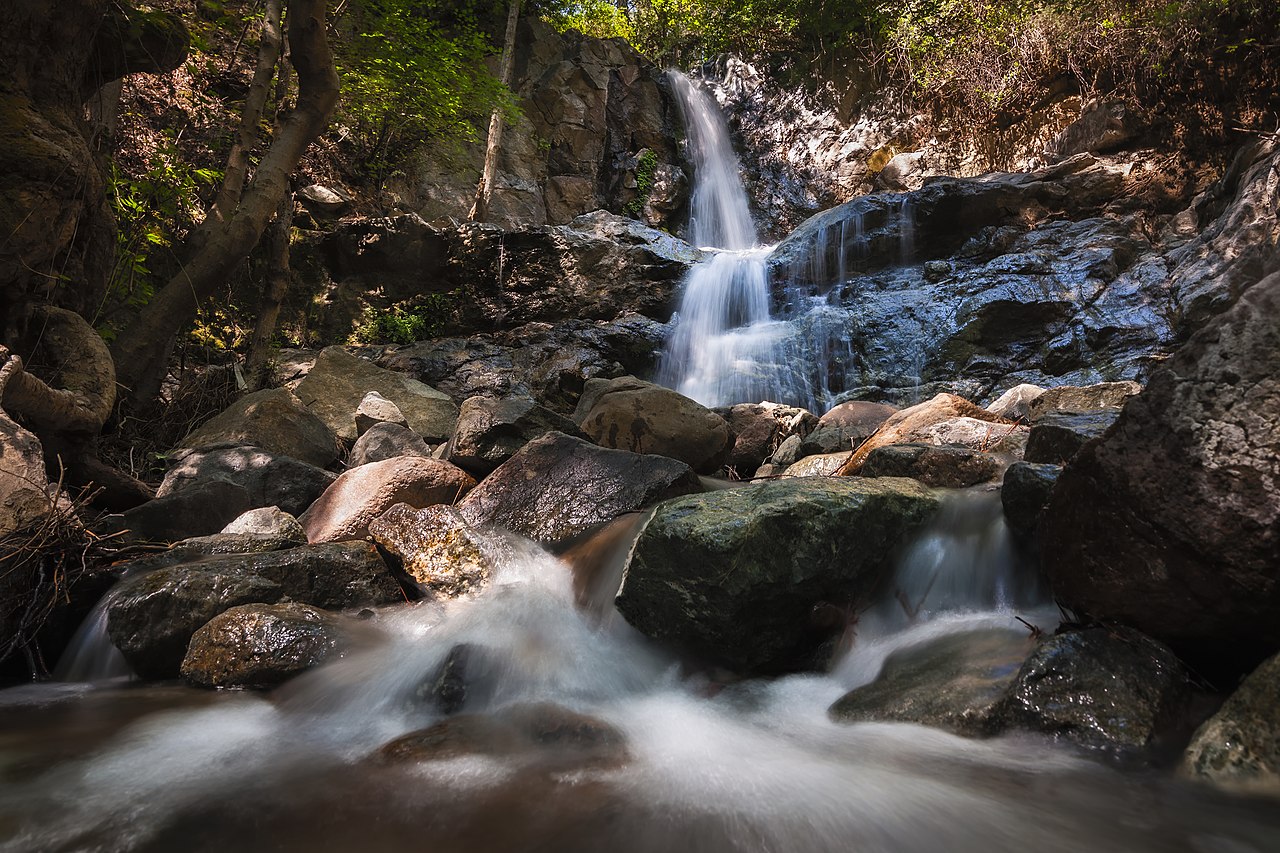
Mesa Potamos Waterfall
A hidden cascade tucked in a steep, mossy ravine below a working monastery — a short shaded path leads to the falls and a cold plunge pool deep in the forest.
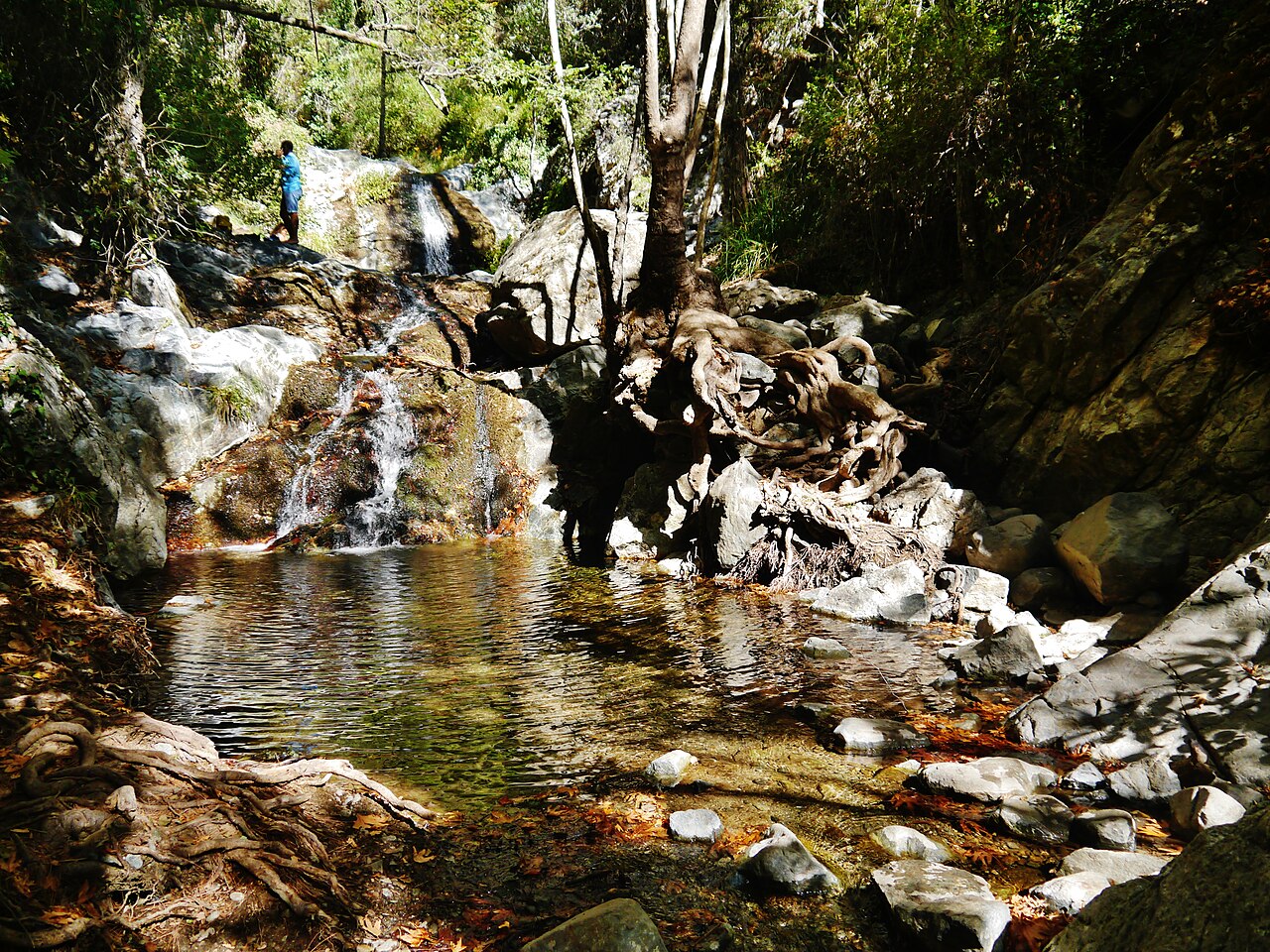
Chantara Waterfall
A graceful twin-drop fall on the Kryos river, reached by a short forest path past plane trees — quieter than nearby Caledonia and beautiful when the river runs full.
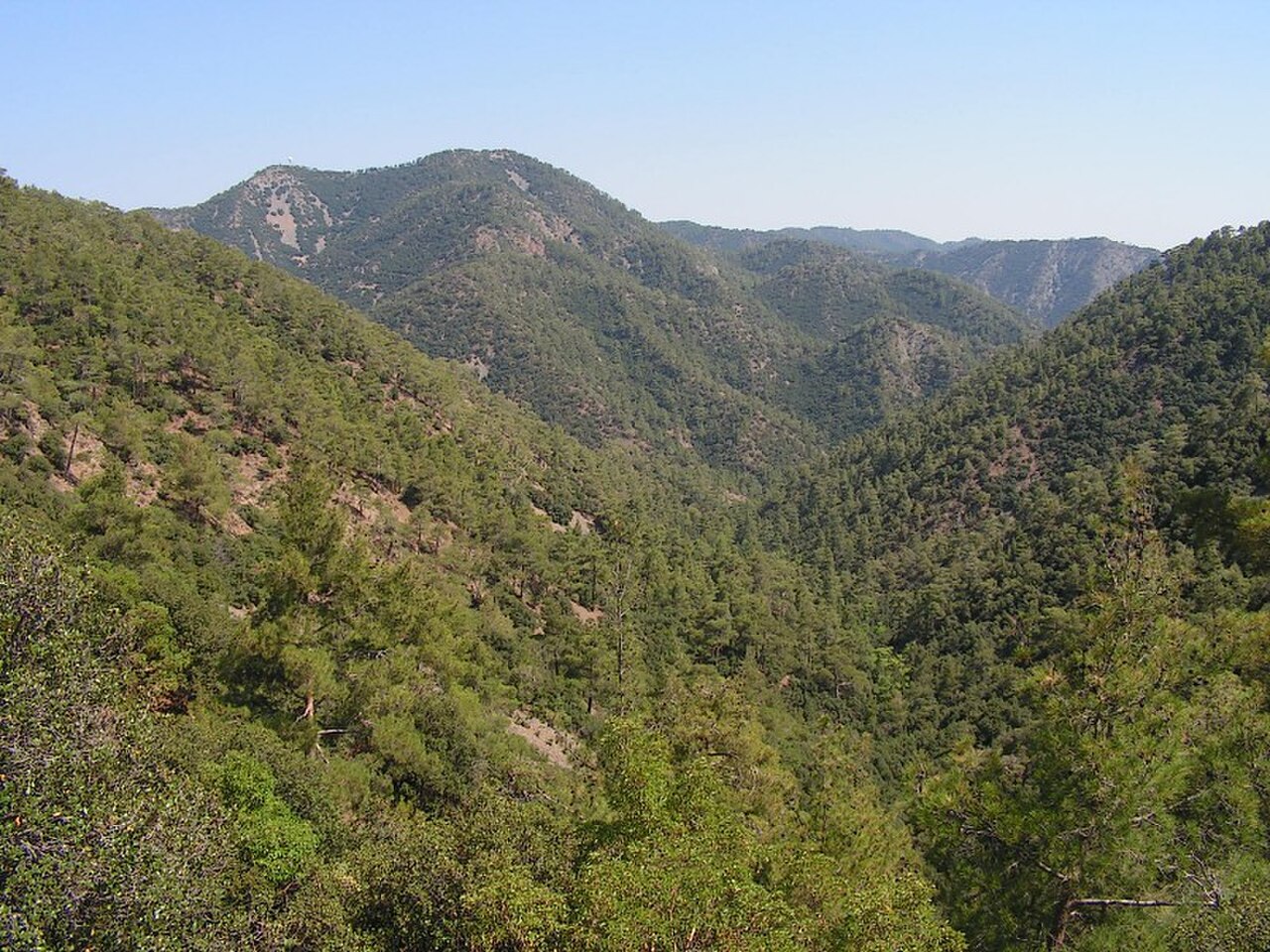
Artemis Trail · Mt Olympus
A near-level seven-kilometre loop circling the summit of Mount Olympus through black pine and juniper, with both coasts visible on a clear day. Snow-dusted in winter.
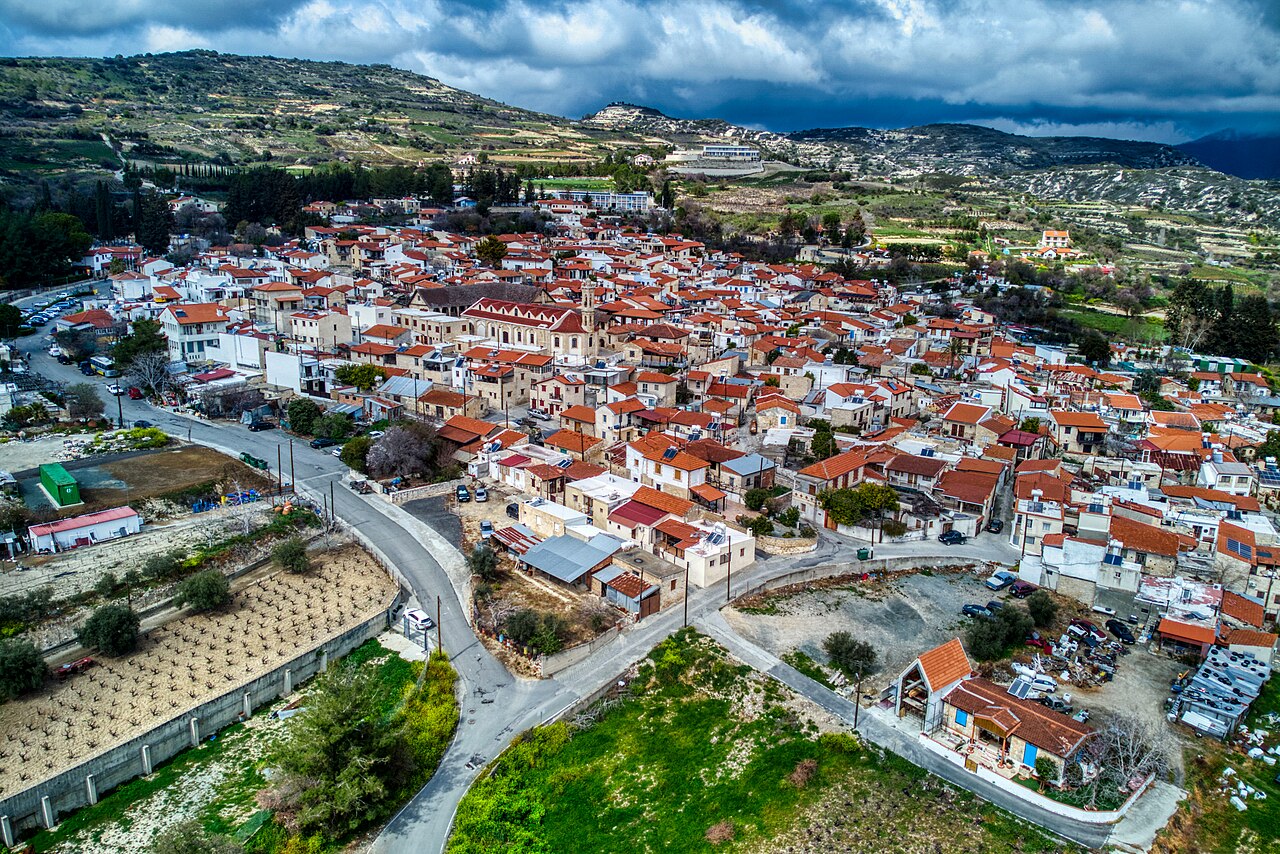
Omodos Village
A cobbled wine village built around the Monastery of the Holy Cross, ringed by vineyards and lined with cellars pouring indigenous Commandaria and Zivania.
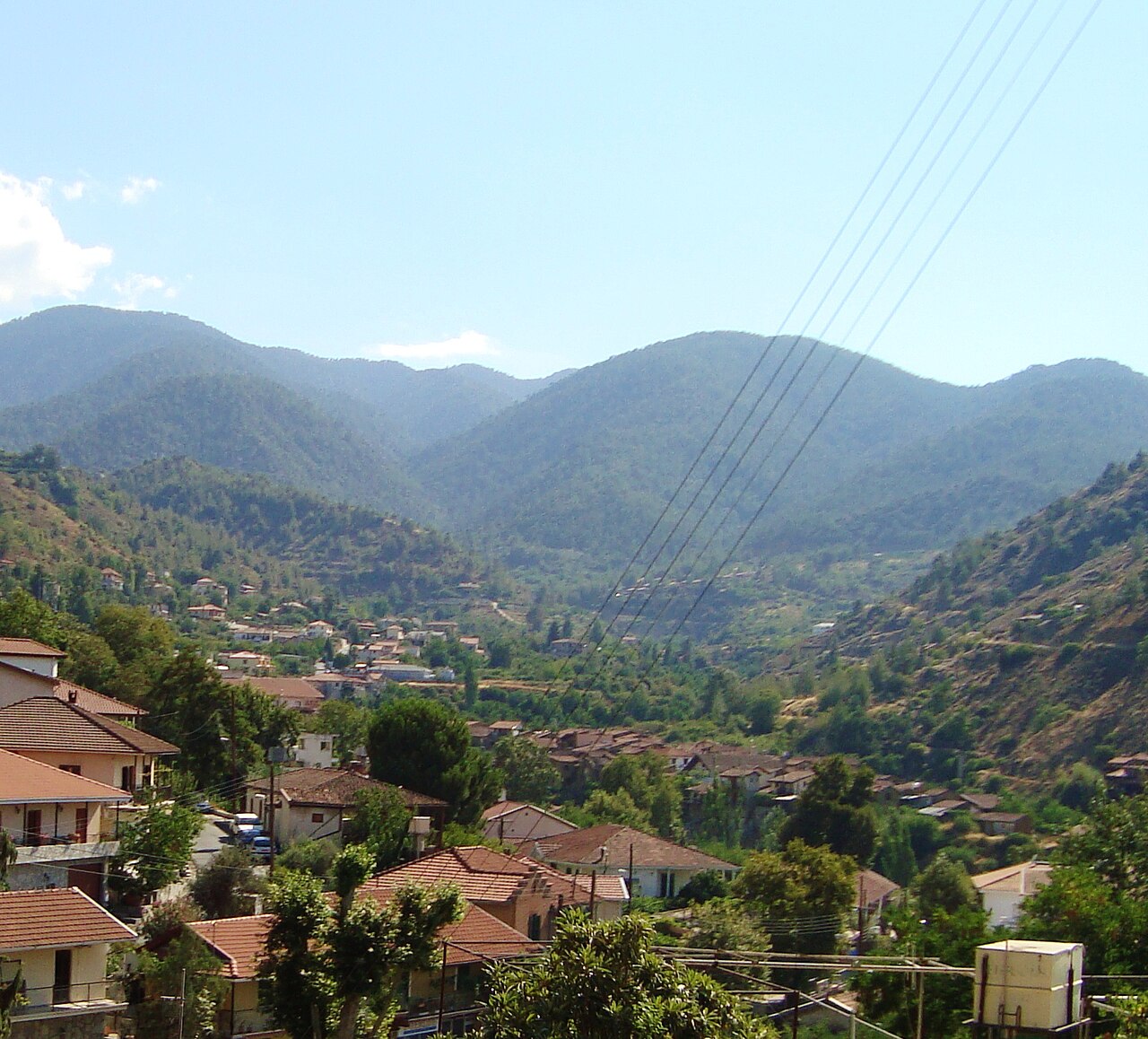
Kakopetria Old Village
A preserved mountain village of timber-balconied stone houses tumbling along a rushing stream, with a UNESCO-listed barn-roof church a short walk uphill.
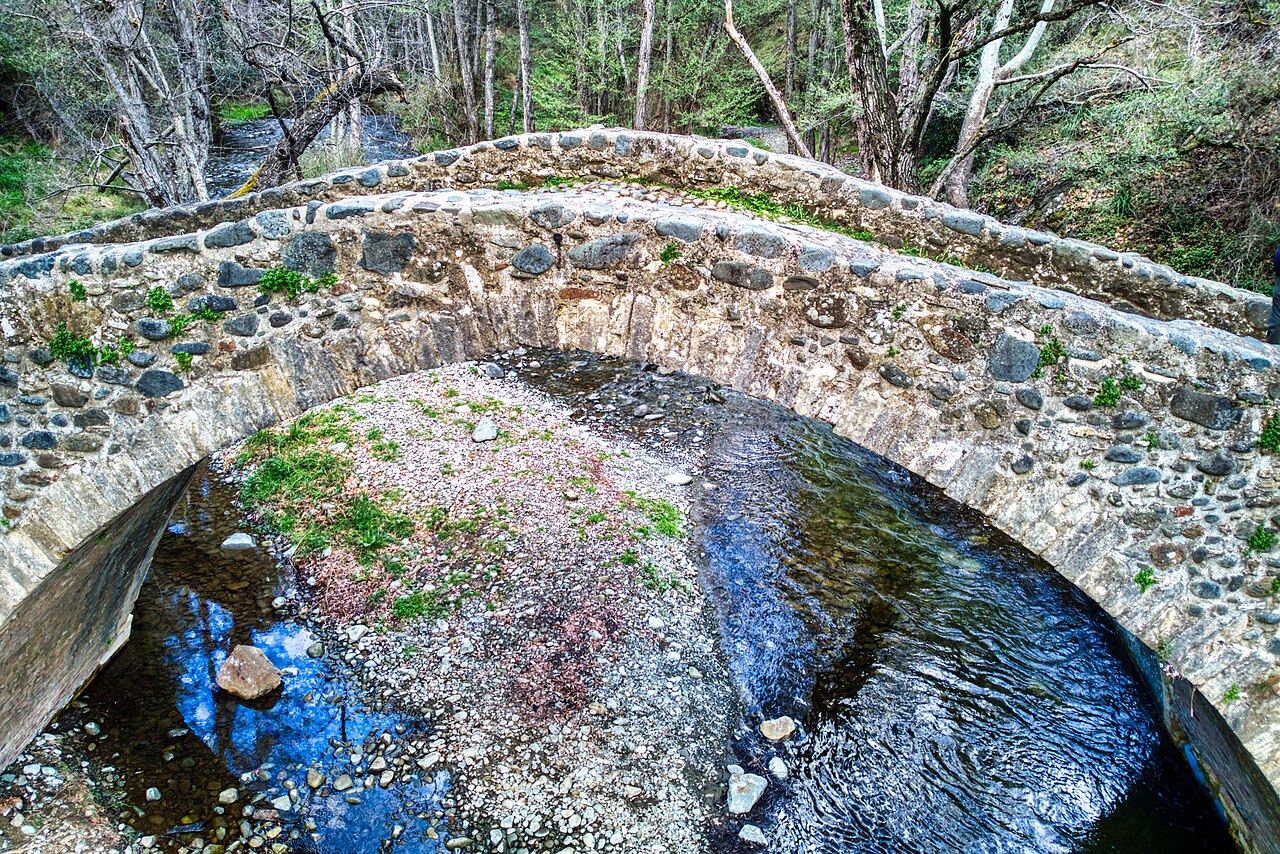
Kelefos Venetian Bridge
A graceful single-arch medieval packhorse bridge on the old camel route through the cedar forest, spanning the Diarizos river in perfect stone silence.
Turn this into your own trip — save the spots you like and plan the days.