
Driving in Cyprus: Car Hire, Roads & Left-Side Tips
Cyprus drives on the left, the motorways are a breeze, and a hire car unlocks the island's best corners. Here's how to do it right.
Here's the short answer: yes, hire a car in Cyprus if you want to see more than your resort, and no, it isn't scary. Cyprus drives on the left, UK-style, with roundabouts, familiar road markings and signs in Greek and English. If you've driven in Britain, you'll feel at home within ten minutes. If you're coming from the continent or the US, the motorway network is so quiet and well laid out that it's one of the gentlest places in Europe to learn left-side driving.
If you're weighing up driving in Cyprus, car hire is the decision that shapes everything else — because the island's best moments, from mountain waterfalls and turtle beaches to Venetian bridges and half-empty wine villages, are exactly the places buses don't go. Public transport connects the main towns well enough, but it thins out dramatically once you leave the coast. A small hire car turns a one-resort holiday into a whole-island one.
That said, Cyprus driving has its quirks: dirt tracks in the Akamas that your rental insurance probably doesn't cover, hairpin mountain roads, hot-season sun glare, and town-centre parking that tests your patience. This guide covers what actually matters — from red-plate hire cars to the handful of trips where you genuinely don't need wheels at all.
Left-side driving: it's the UK system, minus the traffic
Cyprus inherited British traffic rules, so you drive on the left, overtake on the right, and go clockwise around roundabouts, giving way to traffic coming from your right. Speed limits are metric: 100 km/h on motorways, 80 km/h on open rural roads and 50 km/h in towns unless signed otherwise. Seatbelts are compulsory for everyone, using a handheld phone at the wheel is illegal, and the drink-drive limit is stricter than England's — treat it as effectively zero if you're the designated driver.
If left-side driving is new to you, the classic wobble happens at junctions after a quiet stretch, when your brain defaults to home habits. A simple fix: keep repeating 'driver in the middle of the road' — your body should always be nearest the centre line. Hire an automatic if you're used to one; shifting gears with your left hand while thinking about lane position is the combination that catches people out.
A lovely, low-stress first drive is the old coastal B6 road between Limassol and Paphos — gentle curves, sea views, and a pull-off at Aphrodite's Rock where you can stop, breathe, and admire the view rather than craning your neck at 80 km/h.
What a hire car actually unlocks
Without a car, Cyprus is a beach holiday. With one, it's a proper island. The Troodos mountains alone justify the hire: Kykkos Monastery sits deep in the western range on roads public transport barely touches, Fikardou is a preserved stone hamlet at the end of a quiet valley lane, and the Venetian bridge at Kelefos hides down a forest road that's half the fun of getting there.
The same logic applies along the coasts. The wilder capes, gorges and fishing creeks between the resorts are ten-minute detours by car and half-day expeditions by any other means. Most visitors who skip the hire car end up seeing the same three places as everyone else on their bus route; most who take one come home talking about a village or waterfall they had nearly to themselves.
Book ahead for July and August — fleets genuinely do run short in peak season — and go for the smallest car you're comfortable in. Narrow village lanes and tight parking reward a compact far more than they reward a big SUV.
The motorways: fast, free and genuinely easy
Cyprus's motorway network is the island's quiet superpower. Toll-free dual carriageways link Nicosia, Limassol, Larnaca, Paphos and the Ayia Napa corner, and traffic outside the city rush hours is light by any European standard. Limassol to Paphos, Larnaca to Ayia Napa, Nicosia to the south coast — each is well under an hour of relaxed cruising. It means you can base yourself in one town and day-trip almost anywhere.
The junctions are well signed in both Greek and English, and the exits deliver you surprisingly close to the good stuff: Governor's Beach sits just off the motorway between Limassol and Larnaca, the lace-making village of Lefkara is a short, pretty detour from the same corridor, and Larnaca's flamingo-dotted Salt Lake is practically beside the airport slip roads. The one habit to build: local drivers can be casual about indicating and enthusiastic about overtaking, so check your mirrors twice before changing lanes.
Mountain roads and the Akamas dirt-track reality
Troodos roads are paved, well maintained and perfectly manageable — but they are proper mountain roads, with hairpins, slow lorries and the occasional herd of goats. Give yourself more time than the map app suggests, use low gears on the long descents rather than riding the brakes, and know that villages like Kakopetria are far more enjoyable when you arrive unhurried. In winter, the summit roads around Mount Olympus can carry snow and ice; check conditions before heading up.
The Akamas peninsula is a different story, and this is where honesty matters: the tracks towards the Blue Lagoon and Lara Bay are unpaved, rocky and rough, and most standard hire agreements exclude damage on unsurfaced roads. People do drive them in small hatchbacks every summer — and every summer some of them pay for it. If you're not in a proper 4x4 with the right cover, the smarter play is to park at Latchi and take a boat to the lagoon, or explore on foot: the coastal walks from the Baths of Aphrodite start from a proper car park on a surfaced road.
Wherever the tarmac ends, read your rental terms before you commit. 'It looked fine on the map' is not a phrase your insurer recognises.
Parking in the towns: patience required
Town-centre parking is the least charming part of Cypriot motoring. Around Limassol's Old Town and Marina, street spaces vanish by mid-morning in summer, so head straight for one of the signed public car parks and enjoy the walk. Larnaca's seafront strip by Finikoudes is similar — the car parks behind the promenade save you three laps of hopeful circling.
Two rules save real money: yellow lines restrict parking, much as in the UK, and pavement parking — however popular with locals — can earn you a ticket. In the resort areas, the pattern flips: beach car parks at big-name spots fill by late morning in July and August, so go early, or go late afternoon when the tour buses have gone and the light is better anyway.
Fuel, red plates and hire-car practicalities
Fuel is straightforward: petrol stations are plentiful along the coasts and motorway corridors, and nearly all have automatic pay-at-pump machines that take cards, which is how you fill up in the evenings and on Sundays. Heading deep into the Troodos or the Akamas? Fill up before you leave the main roads — mountain villages are not where you want the fuel light to come on.
Hire cars in Cyprus traditionally carry distinctive red number plates, so you'll see plenty of red on the road — and the upside of being visibly a visitor is that local drivers generally give red plates a little extra latitude. The practical checklist is the usual one: photograph every scratch at pickup, confirm what the excess is and whether unsurfaced roads and windscreen damage are covered, and check age requirements, as many firms apply young-driver conditions. Long-established local operators like Petsas are used to talking first-timers through the left-side basics.
When you genuinely don't need a car
Honesty time: not every Cyprus trip needs wheels. If you're basing yourself in Ayia Napa or Protaras for a beach-and-nightlife week, you can walk or take the local buses to Nissi Beach, Fig Tree Bay and the strip, and grab a taxi for the odd evening out. The same goes for a city break split between Larnaca's seafront and old town, or a Limassol stay centred on the Marina and Old Town — both are pleasantly walkable.
Boat trips also cover ground you'd struggle to drive anyway: the sea caves and coves around Cape Greco are arguably better from the water, and the Blue Lagoon is easier by boat than by track. A sensible hybrid many visitors settle on: hire a car for two or three days of mountain and Akamas exploring, and spend the rest of the week car-free by the sea. You get the freedom without paying for a vehicle that sits in a hotel car park.
Frequently asked
Do I need an International Driving Permit to drive in Cyprus?
UK and EU licences are accepted as they are, and visitors from many other countries can drive on a valid national licence for a short holiday. If your licence isn't in Roman script, an International Driving Permit is a sensible backup — and always confirm the exact requirement with your hire company before you travel.
Which side of the road does Cyprus drive on?
The left, exactly like the UK, with clockwise roundabouts and right-hand-drive cars. Speed limits are in kilometres per hour — 100 on motorways, 80 on rural roads and 50 in towns unless signed otherwise. British drivers adapt instantly; everyone else usually settles in within a day.
Can I drive a hire car to the Blue Lagoon in the Akamas?
You can physically attempt it, but the track is rough and unpaved, and most standard hire agreements exclude damage on unsurfaced roads — so any harm comes out of your pocket. Unless you've hired a proper 4x4 with dirt-road cover, take a boat from Latchi instead; it's easier and arguably more fun.
Are the motorways in Cyprus free?
Yes — the motorway network is toll-free. The dual carriageways linking Nicosia, Limassol, Larnaca, Paphos and the Ayia Napa corner are quiet, well signed in Greek and English, and make cross-island day trips genuinely easy.
Can I take a hire car into Northern Cyprus?
Often not without extra arrangements. Many hire companies restrict taking their cars across the Green Line, and your rental insurance is not valid in the north — separate cover is sold at the vehicle crossing points. Check your rental terms before planning it, or cross on foot in Nicosia instead.
Featured in this guide
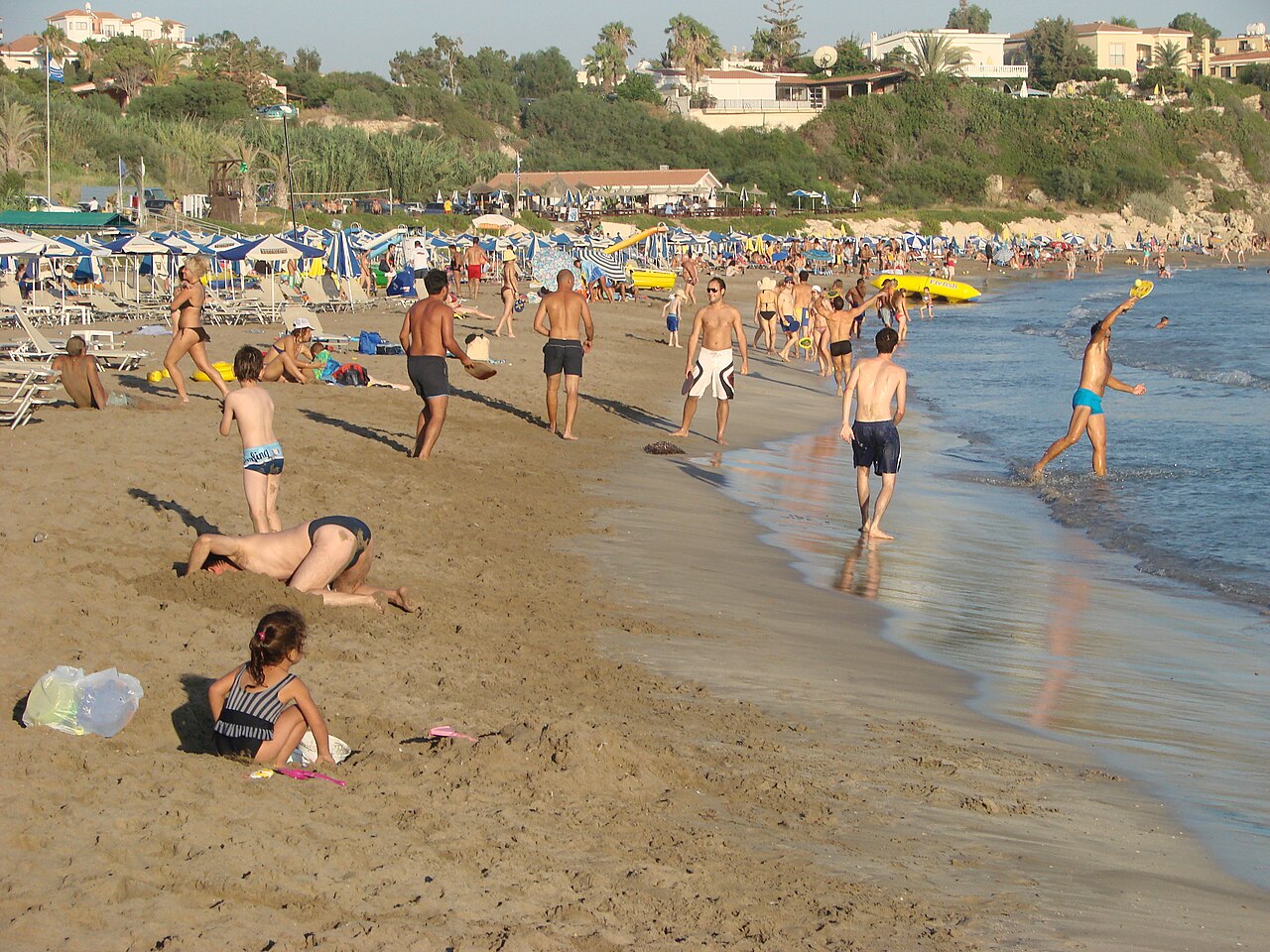
Petsas Rent a Car
One of Cyprus’s longest-running car hire firms — in business for over 60 years, the company says — with desks at Larnaca and Paphos airports and offices in Nicosia, Limassol, Paphos town and Ayia Napa.
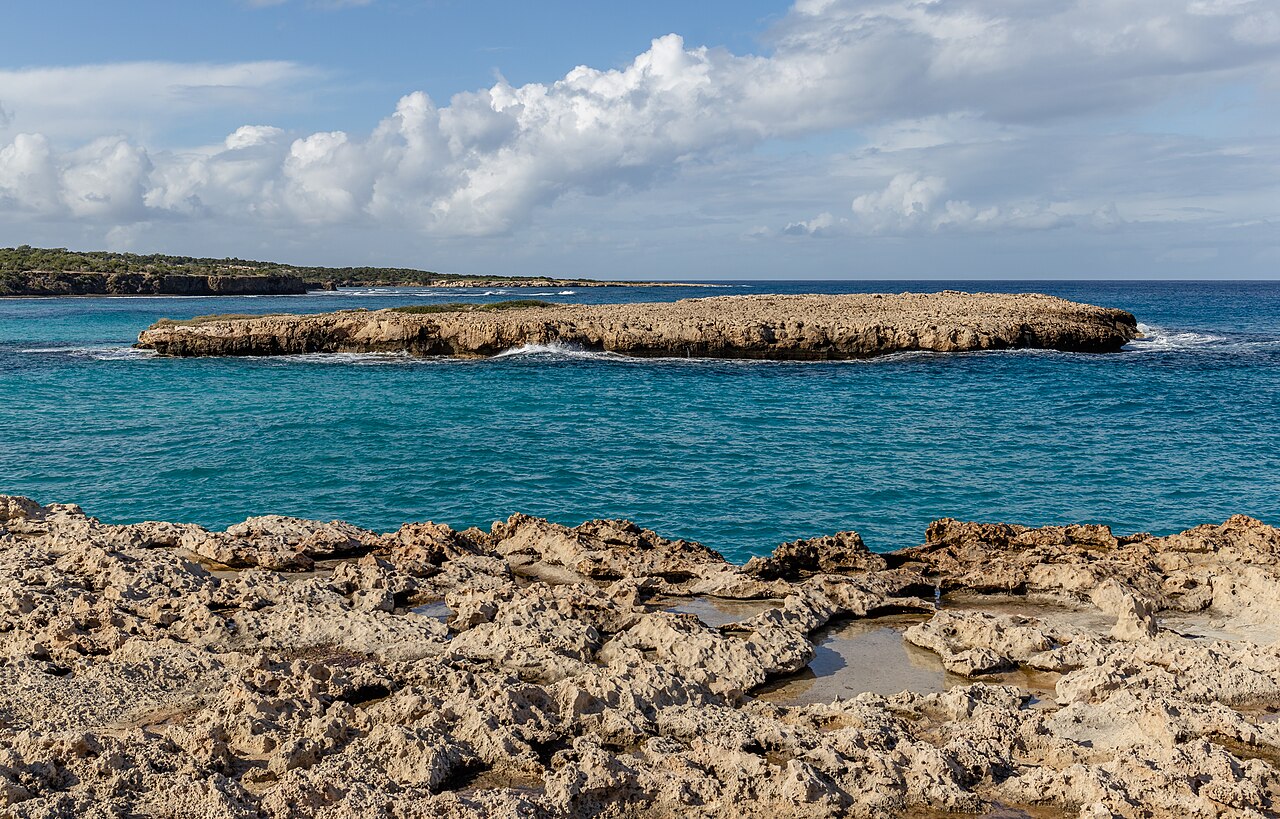
Blue Lagoon
A sheltered cove of electric-turquoise water at the tip of the Akamas. Reach it by boat from Latchi, a rugged 4×4 track, or a two-hour coastal hike — then swim straight off the rocks.
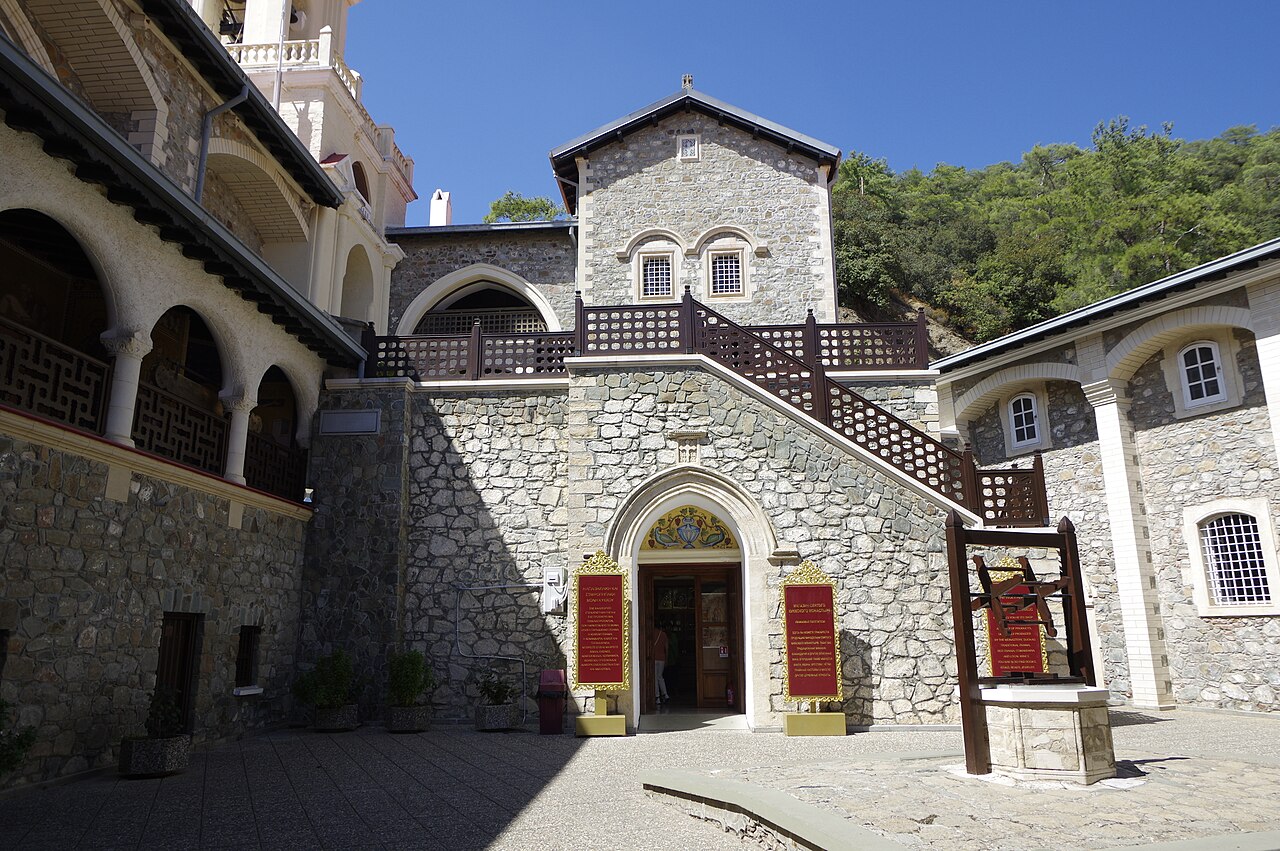
Kykkos Monastery
The wealthiest and most famous monastery in Cyprus, glittering with gold mosaics and frescoed corridors high in the Marathasa hills. Entry to the monastery itself is free, though the small museum charges a fee and coaches arrive in numbers by late morning. Dress modestly — wraps are provided at the door.
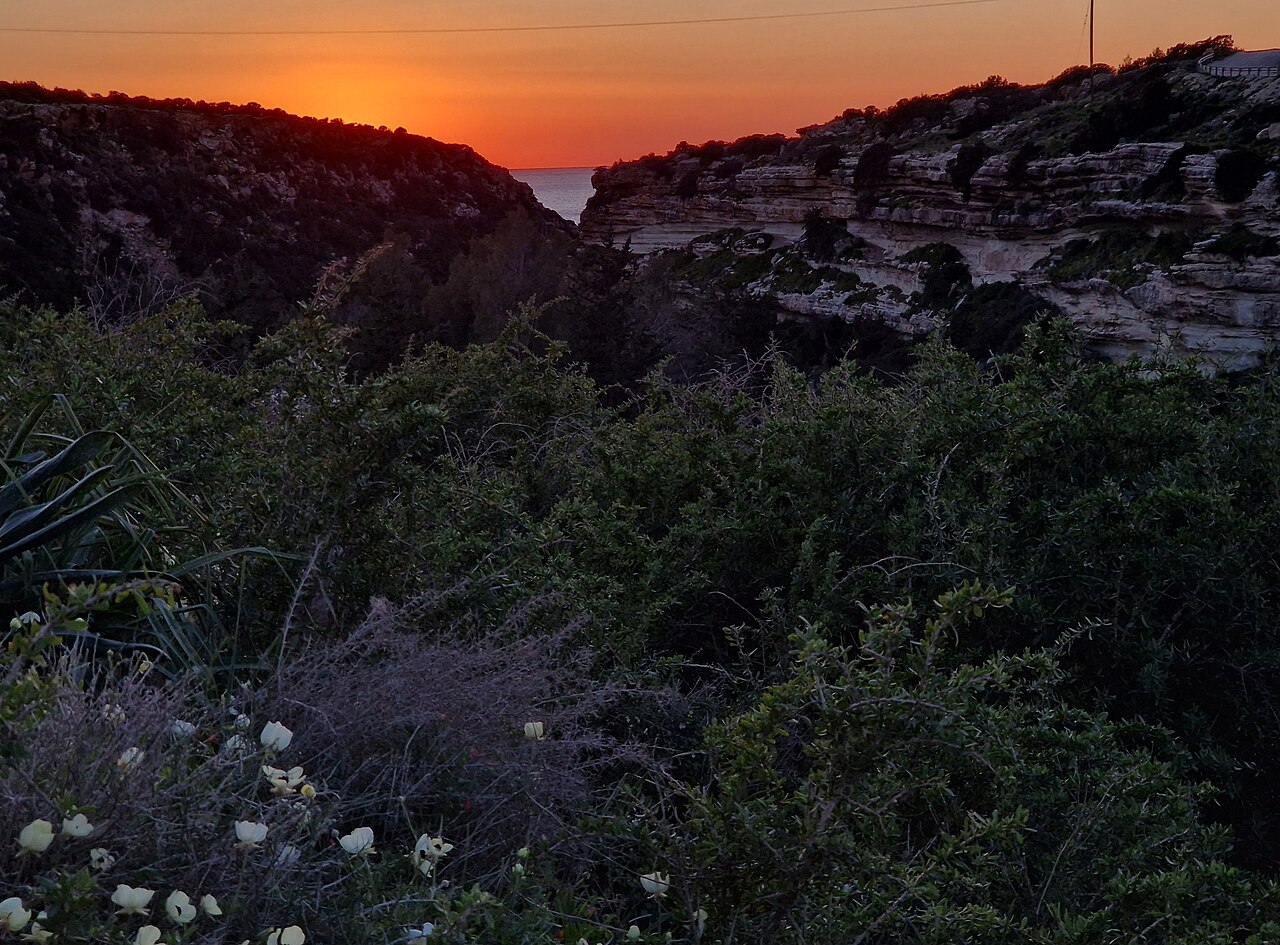
Avakas Gorge
A dramatic slot canyon where 30-metre limestone walls close to arm’s width overhead. Follow the stream bed past a famous wedged boulder; mouflon and griffon vultures live above.
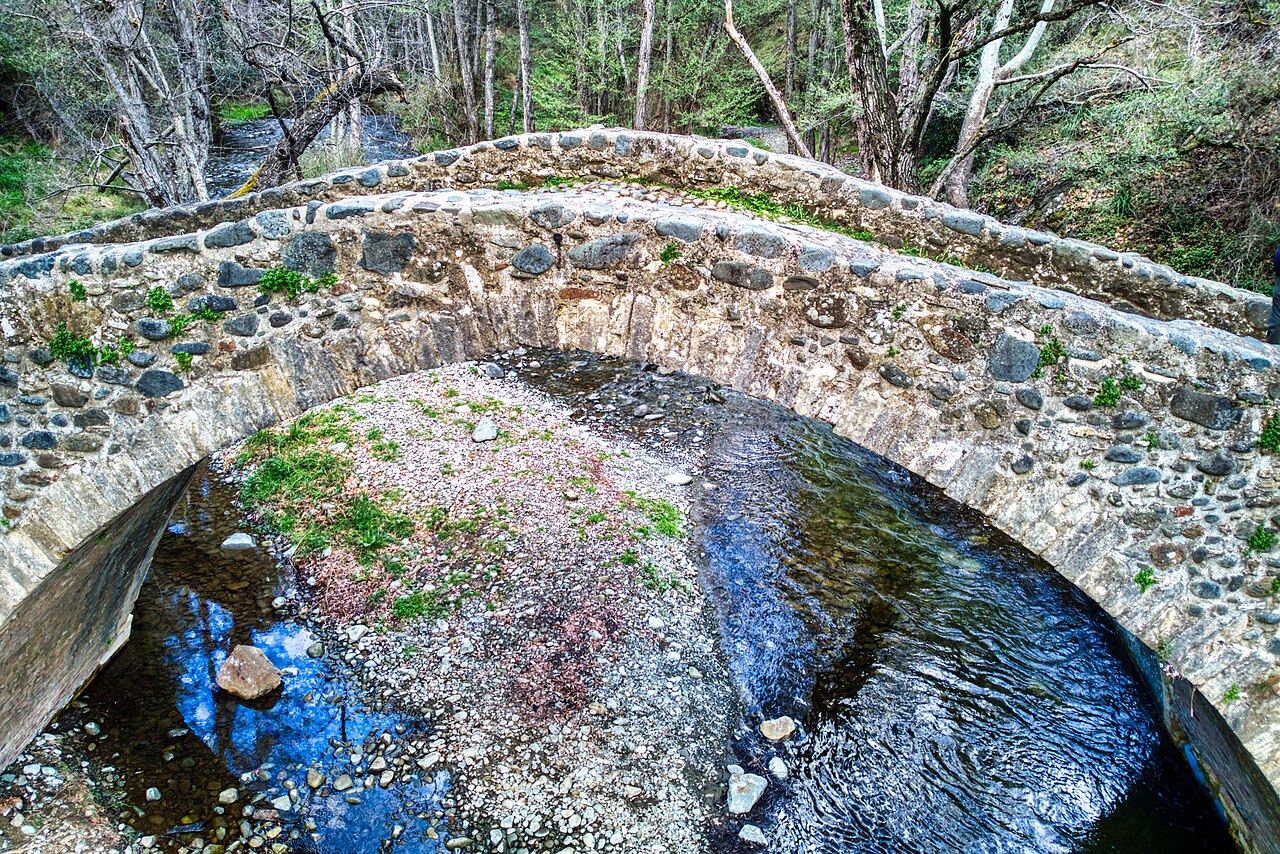
Kelefos Venetian Bridge
A graceful single-arch medieval packhorse bridge on the old camel route through the cedar forest, spanning the Diarizos river in perfect stone silence.
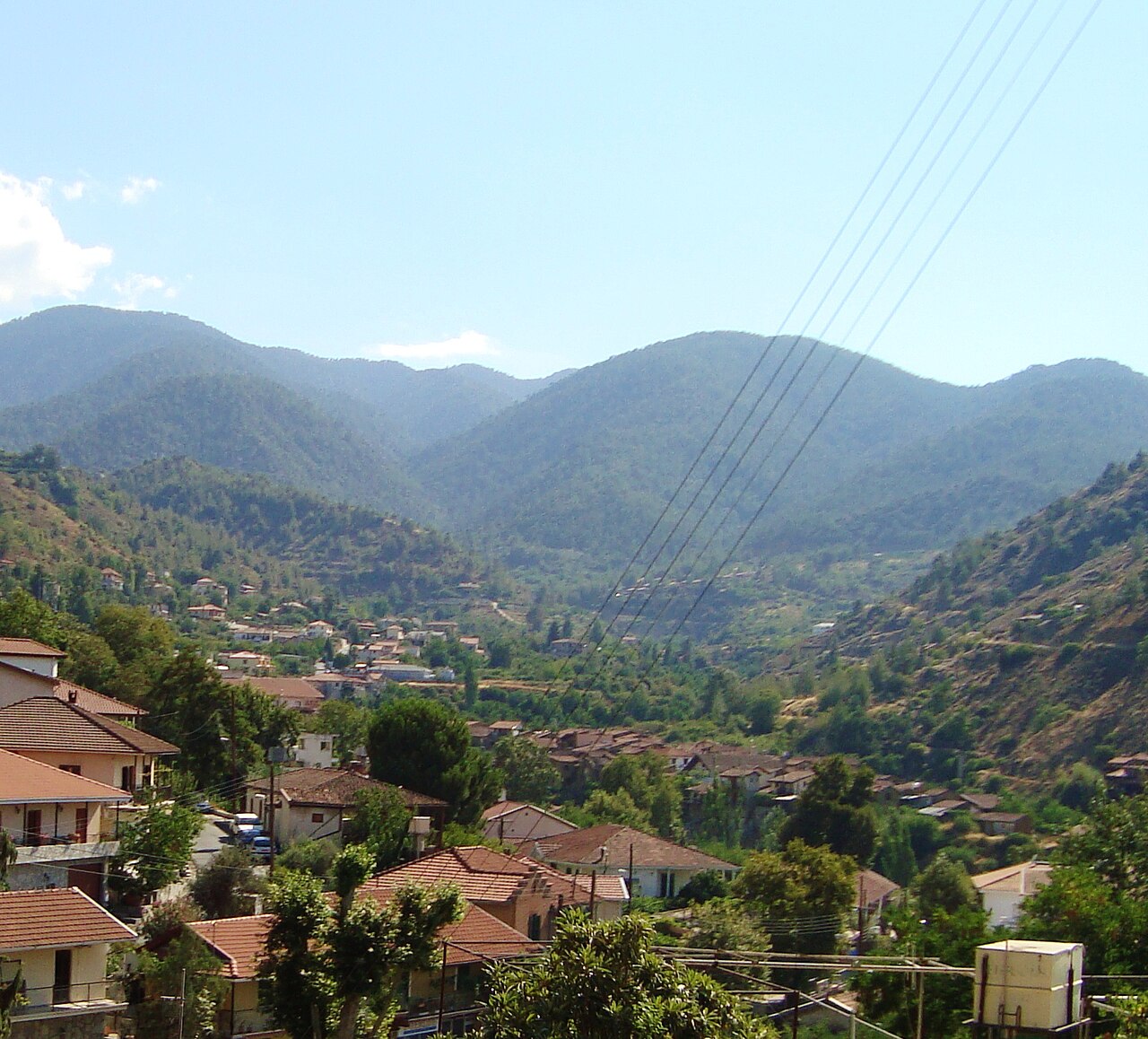
Kakopetria Old Village
A preserved mountain village of timber-balconied stone houses tumbling along a rushing stream, with a UNESCO-listed barn-roof church a short walk uphill.
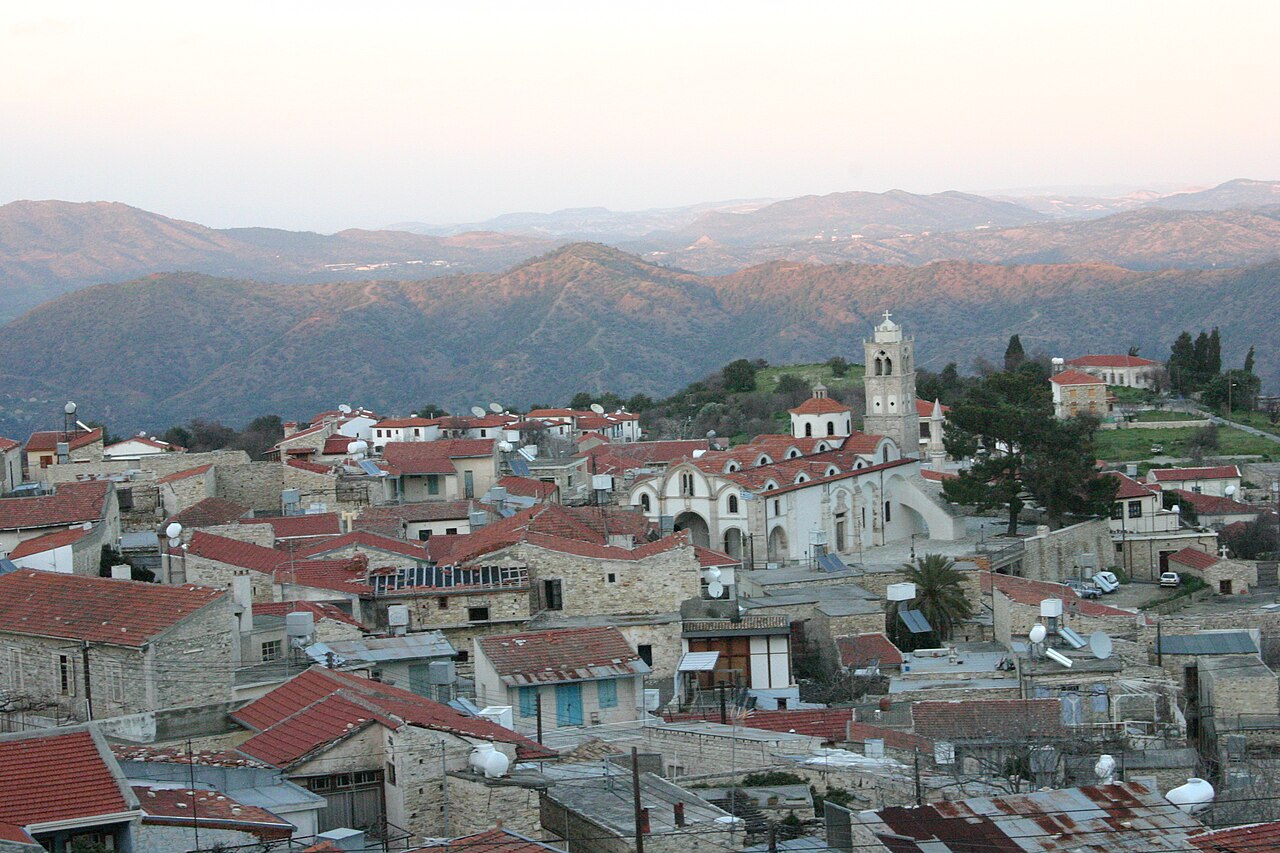
Lefkara Village
A hillside warren of cobbled lanes famous for handmade lace and filigree silver, with blue shutters, shaded courtyards and a coffee at every turn.
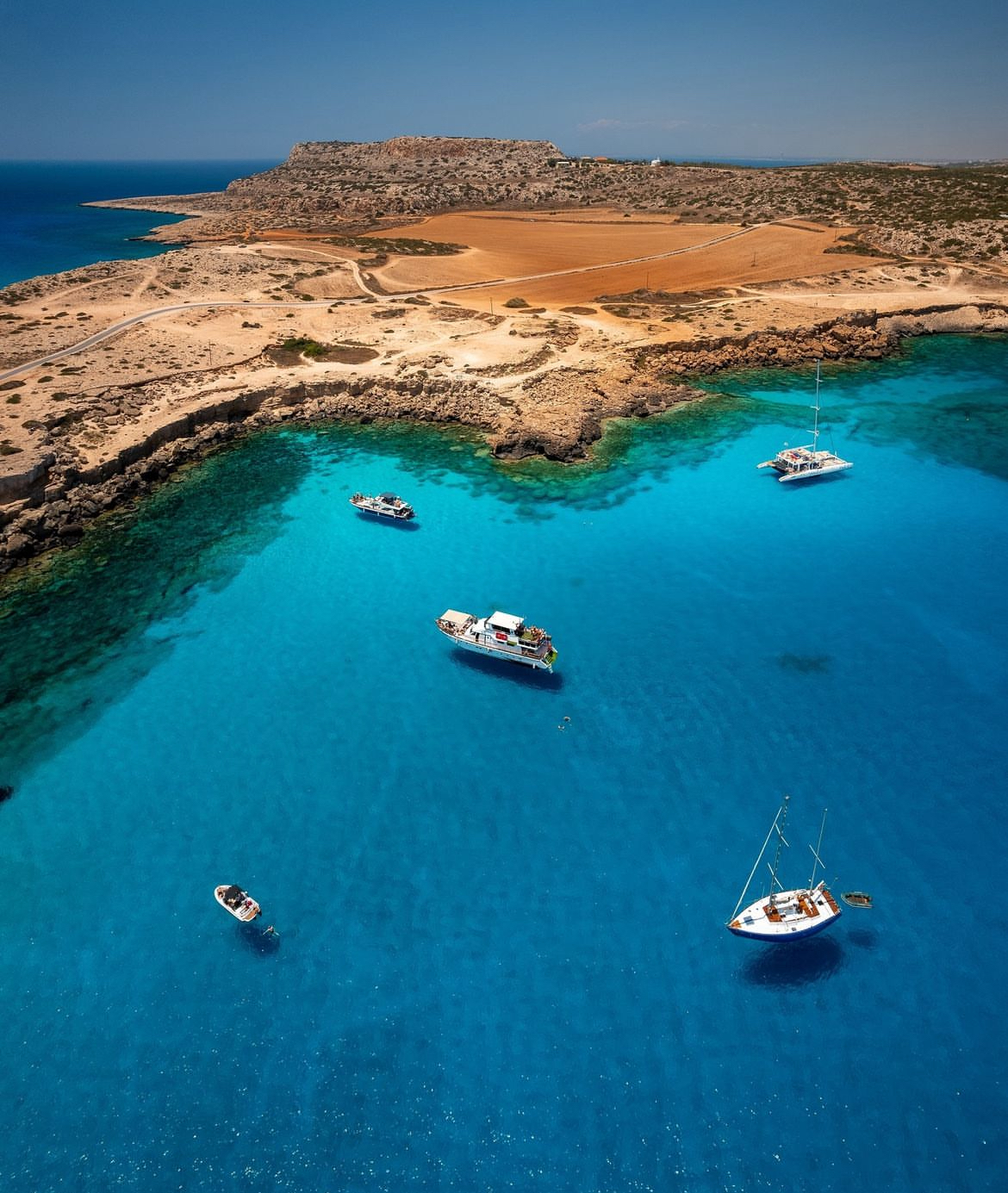
Cape Greco National Forest Park
Wind-carved sea caves, blue holes and a network of clifftop and coastal trails on the island’s south-east horn, with a tiny white chapel above the water.
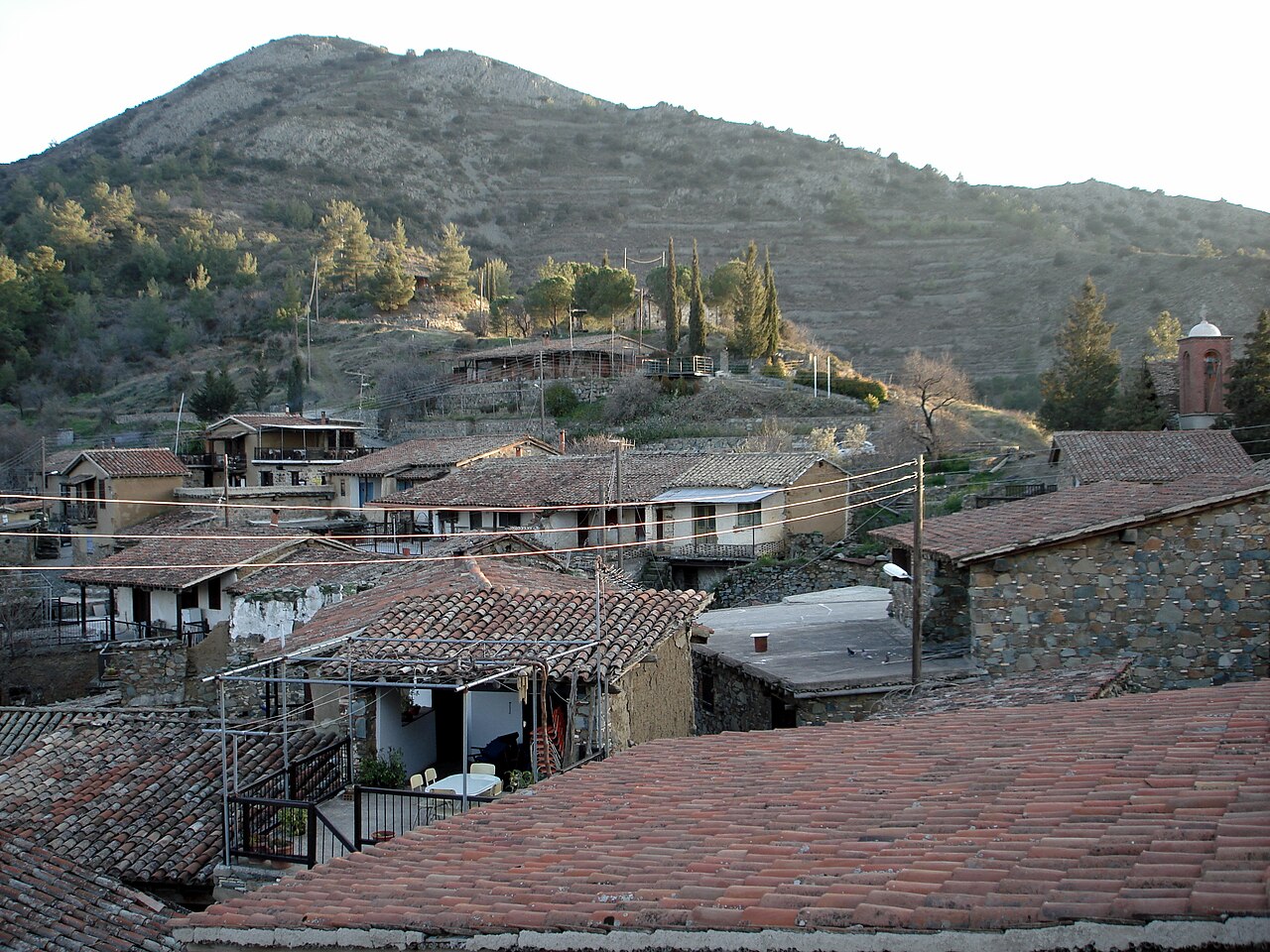
Fikardou
A protected, near-deserted medieval village where stone-and-timber houses have barely changed since the 18th century — the whole place is a listed ancient monument. Wandering the cobbled lanes is free and wonderfully quiet; just note there is only a taverna or two, and the small rural museum charges a modest fee.
Turn this into your own trip — save the spots you like and plan the days.