
Things to Do in Paphos: Beaches, Ruins & the Akamas
UNESCO mosaics, a harbour castle, turtle beaches and the wild Akamas — an honest local guide to the best of Paphos.
Paphos is the corner of Cyprus that rewards you for doing a bit of everything. In a single day you can wander Roman mosaics that belong on a UNESCO list (and are, in fact, on one), swim at a sandy bay, eat grilled halloumi by a working harbour and watch the sun drop behind a rusting shipwreck. It is the island's most complete destination — history, beaches and wilderness all within easy reach — and it manages this without the full-throttle party reputation of the east coast.
The short answer to what to do here: start at the harbour and its little castle, give a proper half-day to the archaeological park and the Tombs of the Kings, spend a beach day at Coral Bay or the wilder coves near Agios Georgios, and save at least one full day for the Akamas Peninsula — the gorge, the turtle beaches and the famous Blue Lagoon. Aphrodite's Rock, just down the coast, makes an easy stop on the way in or out.
One honest note before you plan: Paphos is really two towns. Kato Paphos, down by the sea, holds the harbour, the ruins and most hotels; Ktima, the upper town on the hill, is where everyday Cypriot life happens — markets, old streets and some of the best-value food. Visitors who never leave the lower town's tourist strip tend to leave underwhelmed. Move between the two and you'll see why people fall for this place.
Start at the harbour: the castle and the two Paphoses
The harbour is the natural first stop. It's a small, genuinely working port — fishing boats and excursion boats coming and going — with the squat medieval castle guarding the far end. The castle itself is modest inside, but climbing to its roof for the view over the seafront is a rite of passage, and the promenade in front of it is the town's evening stage. Come at sunset rather than midday, when the waterfront cafés are at their most touristy and least charming.
Then make time for Ktima, the upper town. It's a short bus or taxi ride uphill and feels like a different place: a covered market, neoclassical buildings, backstreets that have been carefully restored, and tavernas where the menus aren't laminated in six languages. A lazy morning up here — coffee, a wander, lunch — is one of the most underrated things to do in Paphos.
The UNESCO sites: mosaics and the Tombs of the Kings
The Paphos Archaeological Park, right behind the harbour, is the reason the whole area is a UNESCO World Heritage Site. Its Roman villa mosaics — the House of Dionysos above all — are astonishing: intricate mythological scenes that have kept their colour for the best part of two thousand years. Around them you'll find an ancient odeon, ruined Byzantine fortifications and a lot of open ground, so bring water, a hat and decent shoes; shade is scarce and the site is far bigger than it looks from the gate. Entry is €4.50, one of the best-value tickets on the island.
The Tombs of the Kings, a couple of kilometres up the coast, is the other essential. No kings were actually buried here — the name comes from the grandeur of the rock-cut tombs, some with full Doric colonnades carved underground. Entry is €2.50. It's atmospheric rather than polished: you clamber down worn steps into sun-bleached courtyards, and in the morning light it's magical. Go early or late in summer; by midday the stone radiates heat like an oven.
Beach days: Coral Bay and the Pegeia coast
For a classic beach day, Coral Bay is the local default: a horseshoe of soft sand with calm, shallow water, sunbeds, and everything a family could need. The honest trade-off is that everyone knows this, so July and August mean packed sand and a busy strip behind it. Arrive early or come in shoulder season, when it's genuinely lovely.
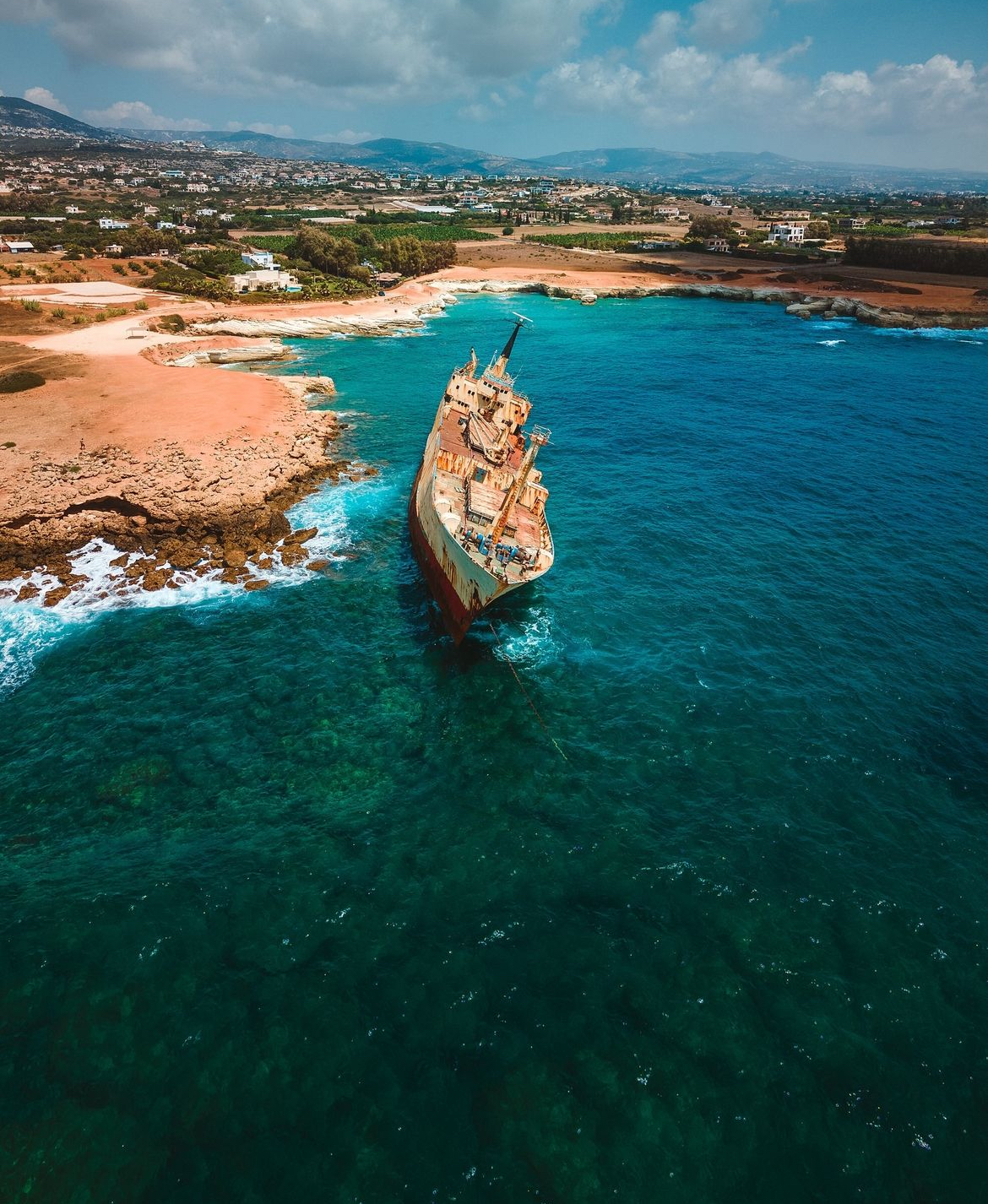
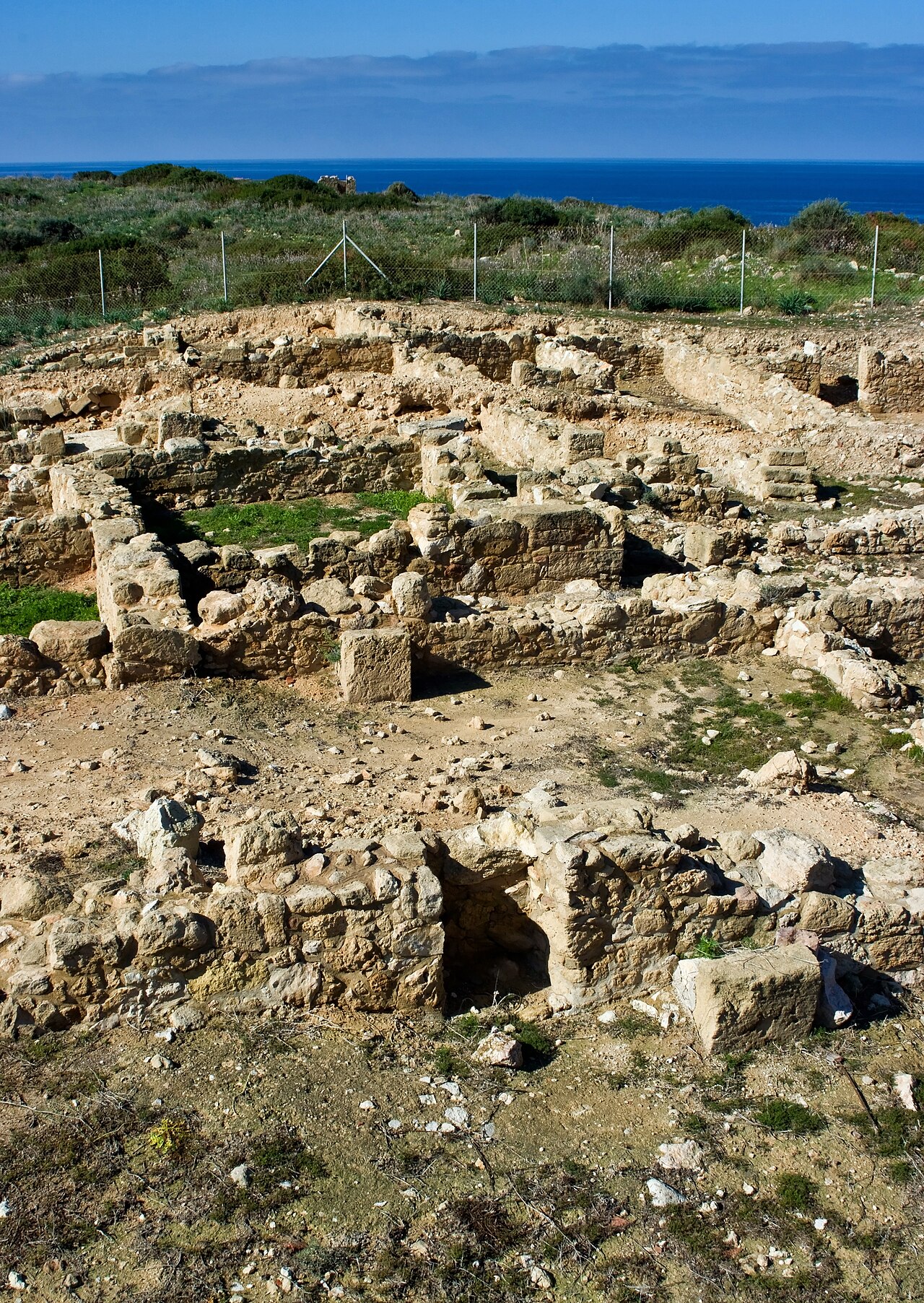
Push a little further north and the coast turns wilder. Agios Georgios at Pegeia has a tiny fishing harbour, a hilltop church, early Christian ruins and a couple of fish tavernas with sea views — a much quieter afternoon than the resort strip. Between the two, the sea caves at Pegeia hide the area's most photographed oddity: the Edro III, a cargo ship that ran aground in 2011 and still sits rusting just offshore. You view it from the shore rather than boarding it, and it's best at golden hour.
Aphrodite's Rock: the classic photo stop
Petra tou Romiou — Aphrodite's Rock — sits on the coast road between Paphos and Limassol, and legend says the goddess of love rose from the foam right here. It's an easy 20–30 minute drive from town and works perfectly as a stop on your way in from the airport side or out towards the Troodos.
Be honest with your expectations: this is a dramatic pebble beach with a famous sea stack, not a swimming beach. The currents can be strong, the pebbles are hard on bare feet, and the best experience is actually from the viewing point above the road, especially at sunset when the rock turns gold. Ten minutes of scrambling on the beach, one unforgettable view — that's the deal, and it's worth it.
Into the Akamas: gorge, turtles and the Blue Lagoon
The Akamas Peninsula is Paphos's trump card — a protected, largely roadless wilderness of juniper scrub, sea cliffs and some of the clearest water in the Mediterranean. Avakas Gorge is the classic short adventure: a walk between limestone walls that narrow until they nearly touch overhead. It's not technical, but wear proper shoes, take water, and skip it after heavy rain when rockfalls and flash flows are a real risk.
North of the gorge lies Lara Bay, the famous turtle beach, where loggerhead and green turtles nest in summer. It's deliberately undeveloped — no sunbeds, no bars, a rough dirt road to get there — and that's exactly the point. Respect the marked nest cages, take your rubbish home, and you'll have one of the island's great wild beaches largely to yourself outside peak weekends.
Then there's the Blue Lagoon, the Akamas swimming spot everyone has seen on Instagram. The water genuinely is that colour. Getting there means a boat trip from Latchi, a licensed 4x4 excursion or a serious hike — ordinary hire cars shouldn't attempt the track. Mid-summer middays get crowded with boats, so go early, go in June or September, and it lives up to the hype.
Latchi and the Baths of Aphrodite
The village of Latchi, on the northern side of the peninsula about 40 minutes from Paphos, is the practical gateway to the Akamas by sea. Its small harbour is lined with fish tavernas and boat operators, and hiring a small self-drive boat or joining a lagoon cruise from here is the easiest way to see the coastline without a 4x4.
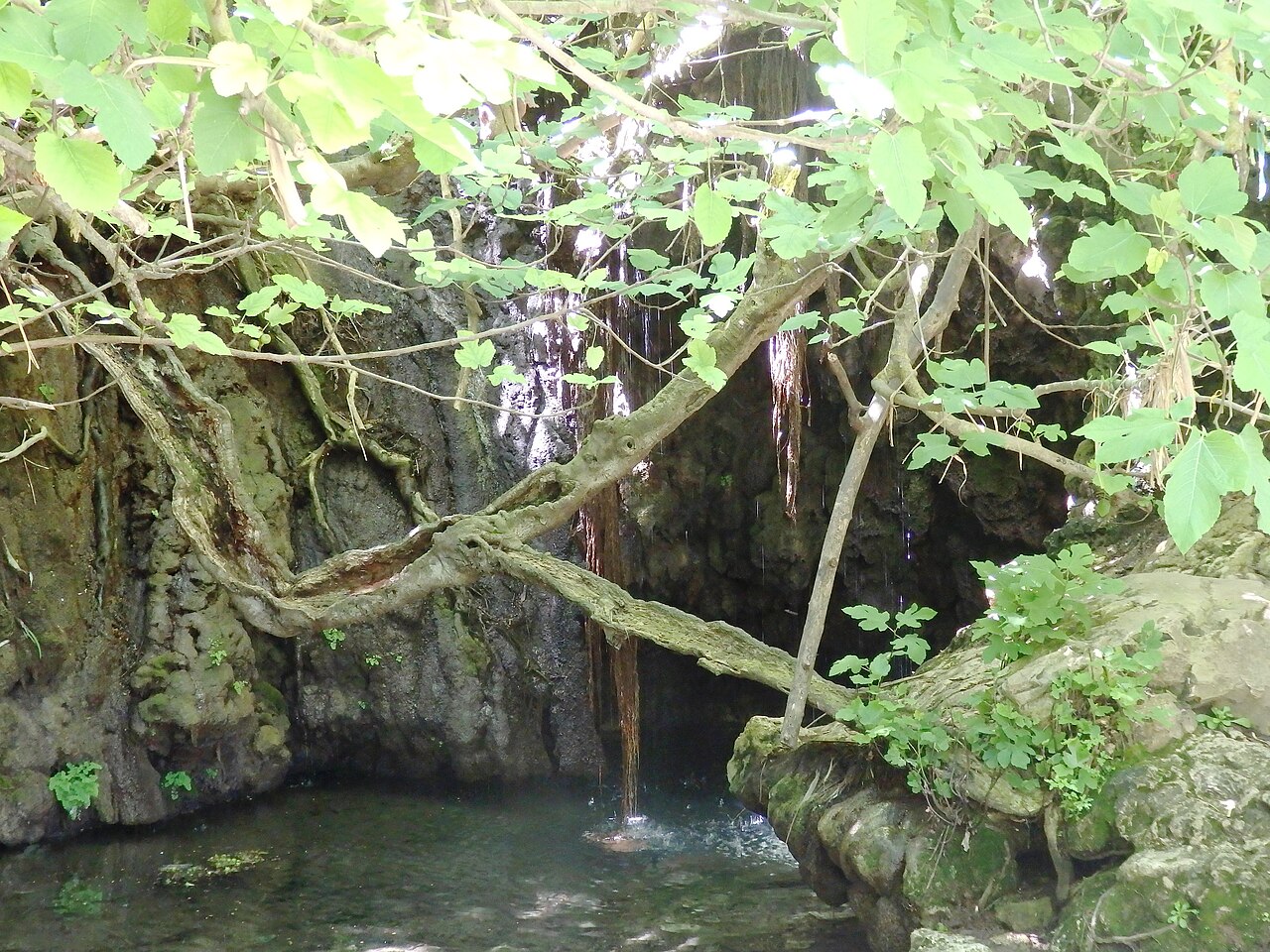
Just beyond Latchi, the Baths of Aphrodite is a shaded grotto where the goddess supposedly bathed — a pretty, five-minute stop in itself, but more importantly the trailhead for the peninsula's best coastal hikes. The Aphrodite and Adonis trails climb from here with huge views over Chrysochou Bay; start early, carry more water than you think you need, and don't expect to swim in the grotto itself (it's protected, and tiny).
Where to eat, and the practical bits
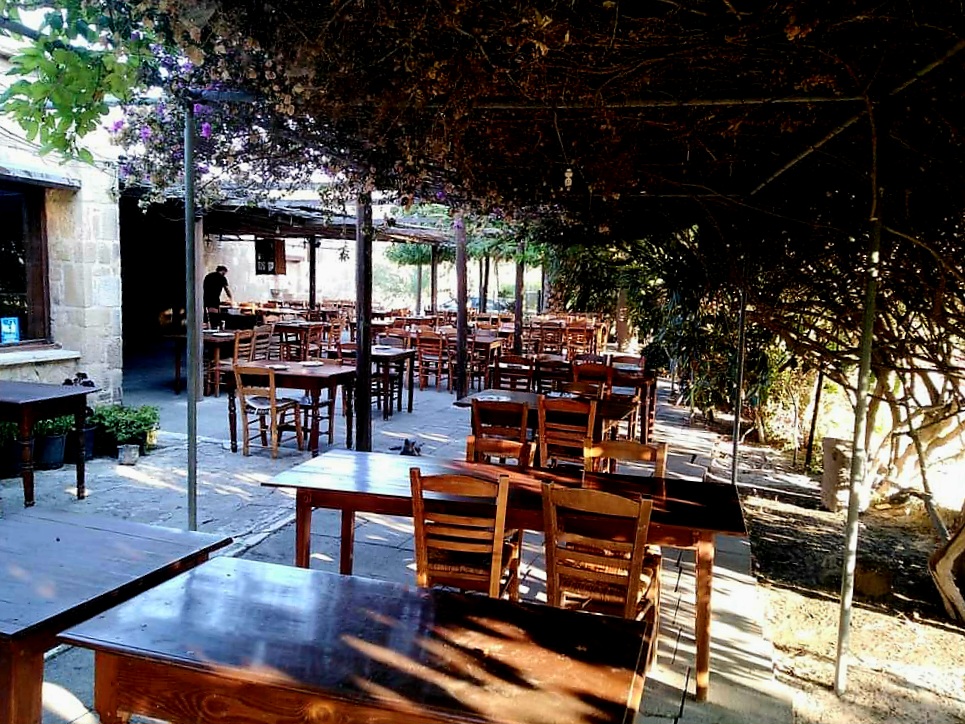
Paphos eats better than its tourist-strip frontage suggests — you just have to aim slightly off the obvious drag. In Ktima, Laona is the kind of unfussy, home-cooking taverna that locals actually use. In Geroskipou, on the town's edge, 7 St. Georges has built a devoted following for seasonal meze grown and foraged by the owners — book ahead and arrive hungry, because the plates keep coming. And if you've hit your limit of village salad, Koh-i-Noor in Kato Paphos does proper Indian food, a genuinely useful change of pace on a longer stay.
Practically: you can do the harbour, castle, mosaics and Tombs of the Kings entirely on foot and local buses, and there's a regular bus along the coast to Coral Bay. But for Aphrodite's Rock, Agios Georgios, Latchi and anything in the Akamas, a hire car transforms the trip. Book early for July and August, and remember Cyprus drives on the left.
Frequently asked
How many days do you need in Paphos?
Three full days covers the essentials comfortably: one for the harbour, castle and the two UNESCO sites, one for a beach day around Coral Bay or the Pegeia coast, and one for an Akamas trip to the Blue Lagoon or Lara Bay. With four or five days you can add the Baths of Aphrodite hikes, Aphrodite's Rock at sunset and a lazy morning in the upper town without ever rushing.
Do you need a car in Paphos?
Not for the town itself — the harbour, castle, mosaics and Tombs of the Kings are walkable or a short bus ride apart, and buses run along the coast to Coral Bay. You do want a car for Aphrodite's Rock, Agios Georgios, Latchi and the wider region. For the Akamas interior, even a normal hire car isn't enough: reach the Blue Lagoon by boat from Latchi or a licensed 4x4 trip rather than risking the dirt tracks.
How much do the Paphos archaeological sites cost?
The official state entry fees are refreshingly low: €4.50 for the Paphos Archaeological Park with its Roman mosaics, and €2.50 for the Tombs of the Kings. Both are open-air sites with little shade, so the smart move in summer is to visit early in the morning or in the last couple of hours before closing.
Can you swim at Aphrodite's Rock?
Technically yes, but it's not really a swimming stop. The beach at Petra tou Romiou is steep pebbles and the currents around the rock can be strong, so treat any dip with caution and skip it in rough seas. Most people are happier admiring it from the viewpoint above the road — especially at sunset — and saving their swim for Coral Bay or the Akamas.
When is the best time to visit Paphos?
May, June, September and October are the sweet spot: warm sea, open ruins and far thinner crowds than mid-summer. July and August are hot and busy — fine for beach-focused trips if you do your sightseeing early. Winter is quiet and mild, lovely for the mosaics and coastal walks, though the sea is cold and some seasonal beach facilities close.
Events around Paphos
Cyprus International 4-Day Challenge
A staged running event over four days around Paphos and the Akamas: a 6 km time trial, an 11 km mountain trail run, a multi-terrain half marathon and a 10 km city run — a little more than a marathon in total, mostly through the Akamas nature reserve.
Featured in this guide
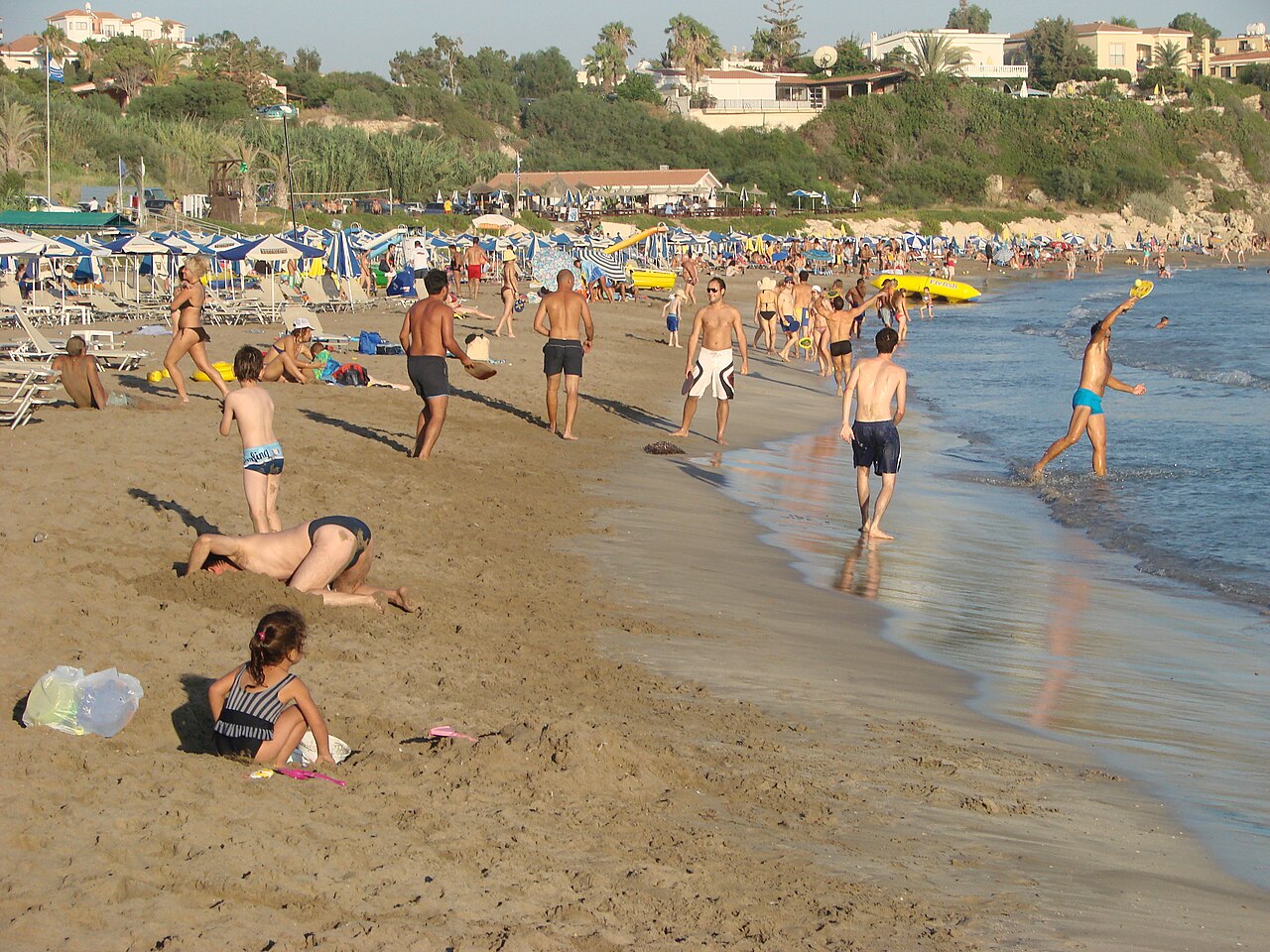
Coral Bay
A sheltered Blue-Flag crescent of soft pale sand between two limestone headlands, with calm shallow water that makes it the most family-friendly swim on the west coast.
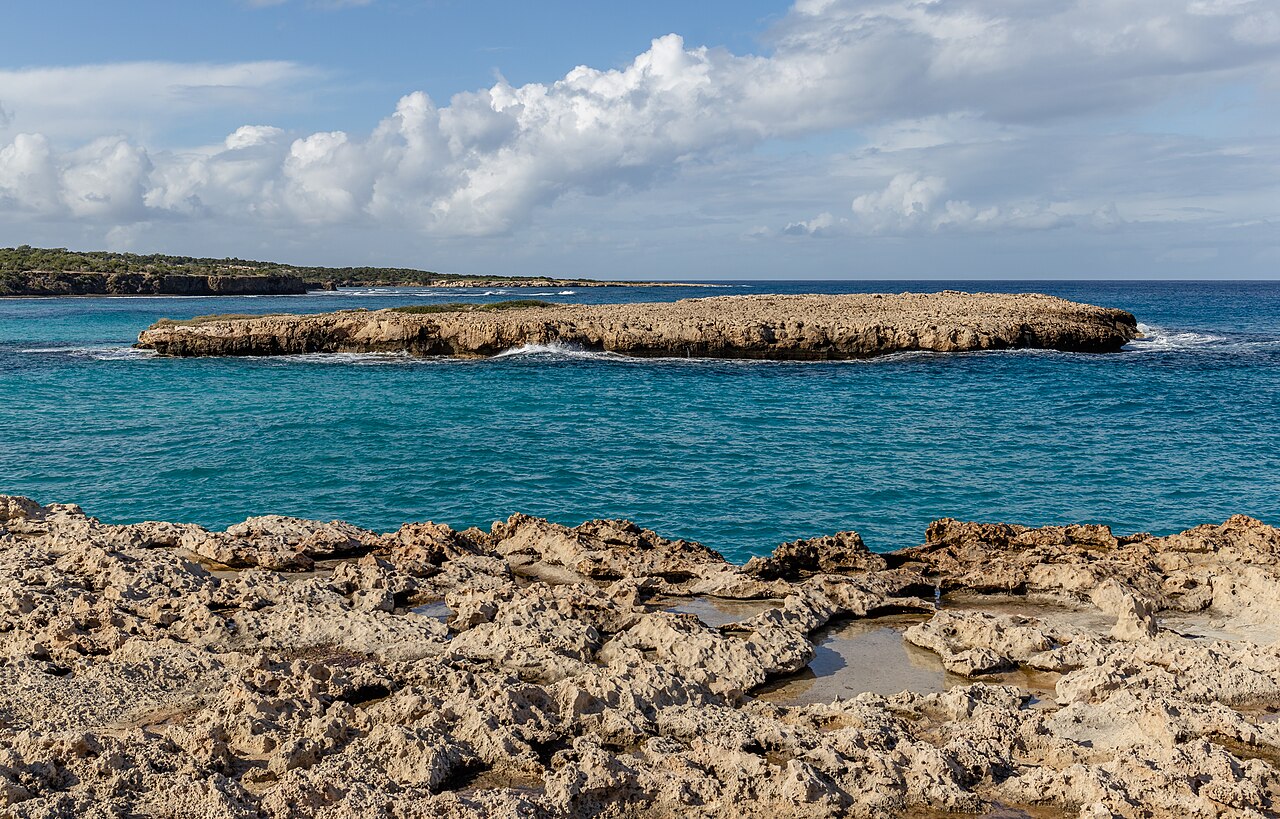
Blue Lagoon
A sheltered cove of electric-turquoise water at the tip of the Akamas. Reach it by boat from Latchi, a rugged 4×4 track, or a two-hour coastal hike — then swim straight off the rocks.
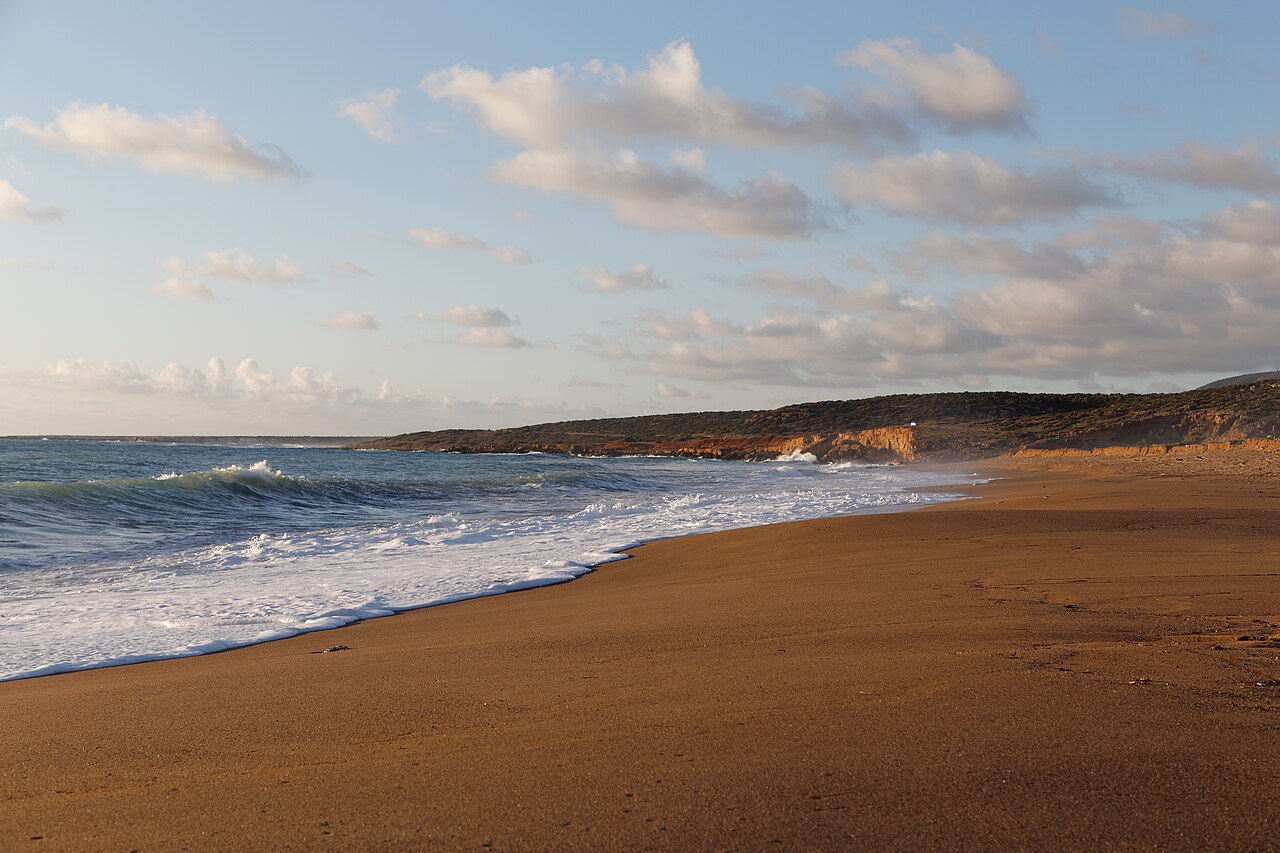
Lara Bay
A wide crescent of untouched golden sand and a protected loggerhead & green-turtle nesting site. No facilities, no umbrellas — just dunes, sea and the conservation hatchery.
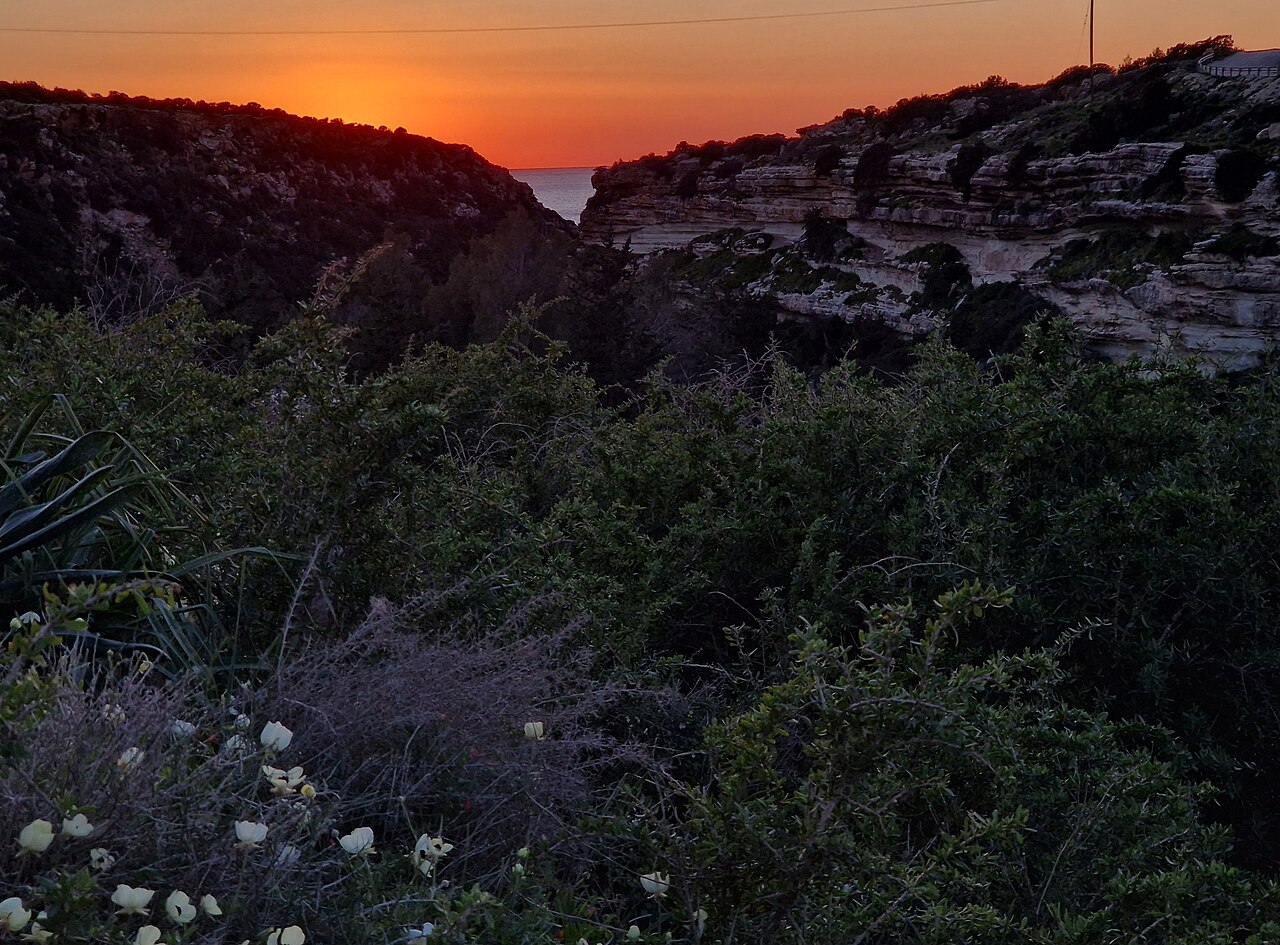
Avakas Gorge
A dramatic slot canyon where 30-metre limestone walls close to arm’s width overhead. Follow the stream bed past a famous wedged boulder; mouflon and griffon vultures live above.
Baths of Aphrodite
A fern-shaded natural grotto and pool where myth says the goddess bathed. The trailhead opens onto the Aphrodite & Adonis coastal nature trails with sweeping bay views.
Edro III Shipwreck & Sea Caves
A rusting cargo ship run aground beneath white cliffs, dramatic at sunset. Minutes away, the Peyia sea caves cut into the rock — locals leap from the ledges into deep blue water.
Agios Georgios Pegeia
A clifftop chapel above a tiny fishing harbour facing Geronisos island, with early-Christian basilica mosaics and one of the finest sunset terraces in Paphos.
7 St. Georges Tavern
A famed organic, farm-to-table taverna serving a daily-changing meze of foraged greens and garden veg.
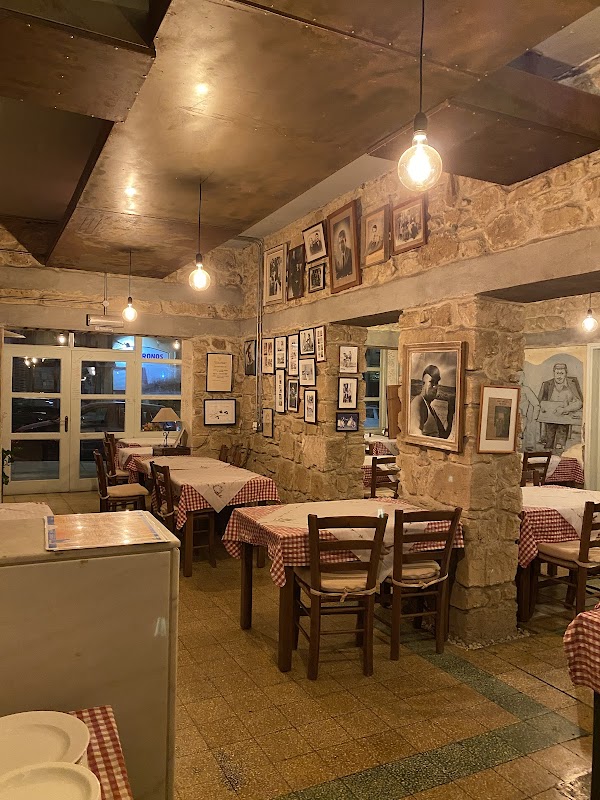
Laona Restaurant
A tiny lunch-only spot serving honest, daily-changing home-cooked Cypriot dishes — locals queue for it.
Petsas Rent a Car
One of Cyprus’s longest-running car hire firms — in business for over 60 years, the company says — with desks at Larnaca and Paphos airports and offices in Nicosia, Limassol, Paphos town and Ayia Napa.
Turn this into your own trip — save the spots you like and plan the days.