
Cyprus in Winter: What It’s Really Like (Oct–Mar)
Honest month-by-month look at Cyprus in winter: warm sun, a cold sea, Troodos snow, quiet resorts and flamingo-filled salt lakes.
Let's answer the question you actually came here with: yes, Cyprus in winter is genuinely mild — one of the gentlest winters anywhere in the Mediterranean — but no, it is not a beach holiday in January. October still feels like summer's encore, November is warm and golden, and from December to February you get short, bright days that are lovely for walking and terrible for sunbathing. If your mental image is lying on a sun lounger in a swimsuit at Christmas, adjust it now and you'll have a far better trip.
The twist that surprises most first-timers is that Cyprus runs two winters at once. Down on the coast you can have lunch outside in the sunshine in January; an hour's drive up into the Troodos Mountains there's often proper snow on Mount Olympus, complete with a small ski scene. Very few places let you walk a beach in the morning and throw snowballs in the afternoon — this is one of them.
Winter is also when Cyprus quietly becomes its best self for a certain kind of traveller. The hiking trails are cool and green instead of scorched, flamingos settle on the salt lakes, villages smell of woodsmoke and grilled halloumi, and the big sights are blissfully uncrowded. The trade-off is honest and real: party resorts like Ayia Napa largely shut down, the sea is cold, and you'll need a plan B for rainy days. Here's how it all plays out, month by month.
Month by month: what the weather actually does
October is the secret star. The sea is still warm after months of summer heat, days remain very pleasant, and the crowds have thinned dramatically. If you want a proper swim-and-sunbathe holiday at winter-adjacent dates, October is your month — early October especially. November follows as a softer version: reliably pleasant days, cooler evenings, and the first rain showers of the season, though sunshine still dominates.
December and January are the heart of winter. Expect coastal daytime temperatures in the mid-to-high teens, plenty of blue-sky days, and rain arriving in concentrated bursts — a wet couple of days, then sunshine again. January is usually the coolest, wettest month, and evenings genuinely require a coat. February is similar but with a gift attached: the almond blossom comes out across the hills, and the whole island starts to green up. March is early spring in all but name — wildflowers everywhere, walking weather that's close to perfect, and the first properly warm afternoons creeping back in.
The pattern to internalise is this: winter weather in Cyprus is changeable day to day but sunny on balance. You will almost certainly get lovely weather during a week's trip; you just can't guarantee which days it lands on. Build flexibility into your plans and you'll be fine.
The sea in winter: an honest answer
Here's the truth that winter-sun marketing tends to blur: the Mediterranean cools slowly, so October and even early November swimming is genuinely pleasant. But by January and February the sea has dropped to its coldest — bracing rather than inviting. You'll see hardy locals and northern European regulars swimming year-round at places like Mackenzie and Finikoudes in Larnaca, and it's a real tradition rather than a stunt, but for most people a January dip is a two-minute gasp, not an afternoon in the water.
If swimming matters to your trip, aim for the shoulder ends of the season — October to mid-November, or from late April onwards. In deep winter, treat the beaches as places to walk rather than swim: an empty, out-of-season stretch of sand at somewhere like Fig Tree Bay or Governor's Beach has an atmosphere all of its own, and you'll often have it almost entirely to yourself. Many hotels that stay open in winter heat at least one pool, which is a more realistic daily swim.
Snow, skiing and the Troodos mountains
Yes, it really snows in Cyprus. Mount Olympus, the island's highest point at nearly 2,000 metres, usually carries snow from around late December through to early March, with January and February the most reliable months. There's a small ski operation on the mountain — a handful of lifts and gentle runs rather than an alpine mega-resort — and conditions vary a lot from year to year, so treat skiing as a fun bonus if the snow cooperates rather than the reason you booked flights. On snowy weekends, half of Nicosia and Limassol drives up to play in it, so come on a weekday if you can.
Even without skis, the Troodos in winter is wonderful. The Artemis Trail circles just below the summit of Mount Olympus through black pines that look magnificent under snow, and the waterfalls — starved to a trickle by late summer — are at their thundering best. Caledonia Waterfall near Platres and Millomeris are both far more impressive in winter and spring than in August, fed by rain and snowmelt.
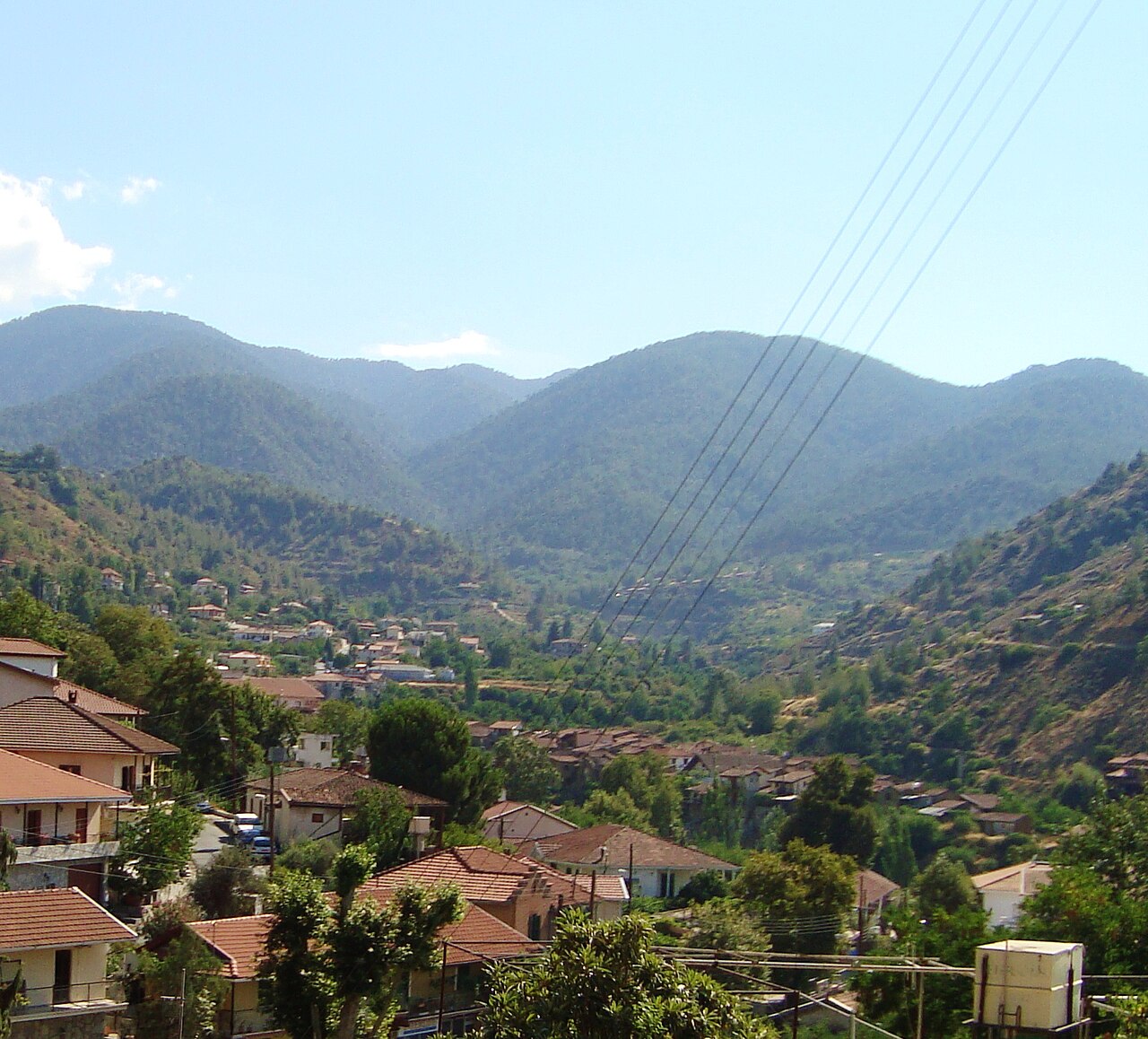
Base yourself around the mountain villages and winter becomes the cosiest season of all: Kakopetria's old quarter with its stone houses and wood fires is arguably at its most atmospheric when it's cold, and a plate of grilled trout at the trout farm restaurant in Platres after a chilly walk is one of the island's great simple pleasures. One practical warning: snow chains can be required on mountain roads after heavy falls, and fog rolls in quickly at altitude — check conditions before you drive up.
Winter is the real hiking season
Ask anyone who walks seriously in Cyprus and they'll tell you the same thing: summer is for the sea, winter is for the trails. From November to April the island is green, the light is soft, and temperatures are ideal for walking — the same routes that are punishing furnaces in July become genuinely glorious. If hiking is your thing, winter isn't the compromise season; it's the point.
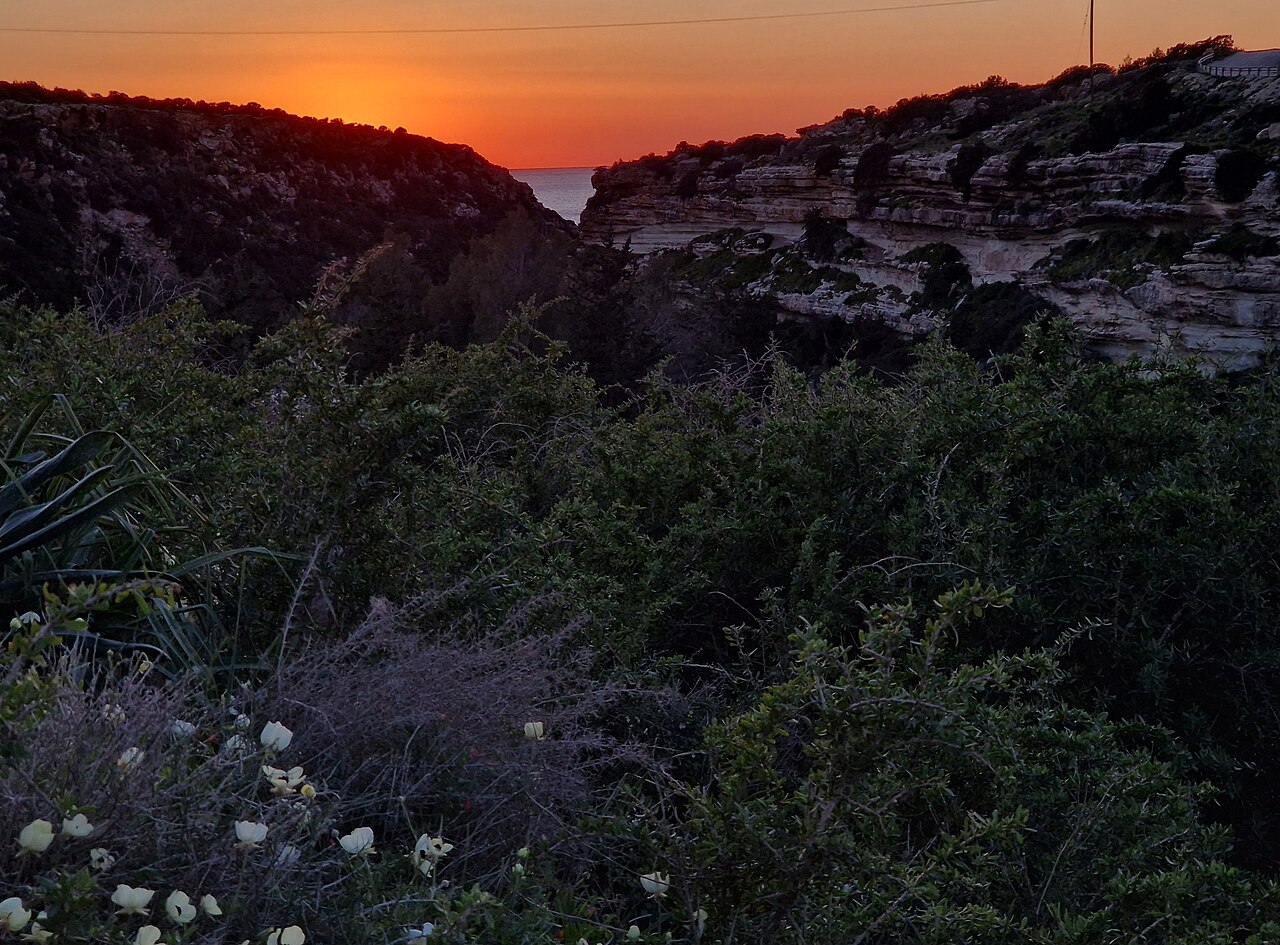
The Akamas peninsula in the far west is the showcase. Avakas Gorge, with its towering narrows, is dramatic in winter — though this is exactly when you must respect it, because rain upstream can send water through the gorge quickly, so skip it during and just after wet spells. The Smigies Trail and the coastal paths near the Baths of Aphrodite offer big sea views without the gorge's flash-flood caveat, and in February and March the wildflowers along them are ridiculous in the best way.
Two honest notes: days are short in midwinter, so start walks in the morning rather than after a long lunch, and some unsurfaced Akamas tracks turn to mud soup after rain — proper footwear over trainers, always.
What closes: Ayia Napa and Protaras go to sleep
This is the part brochures won't tell you plainly, so we will: Ayia Napa in winter is close to shut. The strip's clubs and most of the bars close for the season, many hotels follow, and Nissi Beach — heaving with thousands of people in August — becomes an empty crescent of pale sand. Protaras is the same story in a quieter key. If you come expecting nightlife, or even a wide choice of open restaurants, you'll be disappointed. A core of year-round tavernas serving the local community keeps going, but the resort machine is unplugged.
And yet — whisper it — the east coast in winter is lovely if you know why you're there. Cape Greco's headland walks, sea caves and viewpoints are far better in cool weather than in the heat, the coastal path between Konnos Bay and Protaras is a beautiful off-season stroll, and photographers get the famous turquoise water without a single pedalo in the frame. Come for the landscape, not the scene, and base yourself somewhere with more winter life if open cafés matter to you.
Why Paphos, Limassol and Larnaca stay lively
The fix for the sleepy-resort problem is simple: base yourself in a real town. Paphos, Limassol, Larnaca and Nicosia are year-round cities with resident populations, so restaurants, cafés, museums and harbourside life carry on regardless of season. Paphos in particular has become the island's winter-sun capital — its harbour promenade, archaeological sites and old town work beautifully in mild January sunshine, and its long-stay winter visitors keep a healthy spread of tavernas open.
Limassol is the island's most metropolitan option: the old town and marina buzz all winter, and the pre-Lenten carnival season brings the city's biggest party of the year at the tail end of winter. Larnaca is smaller and calmer, but the palm-lined Finikoudes promenade is made for slow winter mornings — coffee, sea air, church bells — and the airport is only a short drive away. Nicosia, meanwhile, doesn't really have a tourist season at all, which is exactly its charm: old-town tavernas like Zanettos serve the same meze in January as in July.
Winter is also peak season for exactly the sightseeing that summer heat makes miserable: archaeological sites, monasteries like Kykkos in the hills, and stone villages such as Lefkara and Omodos, where you can browse lace shops and wine tastings without the coach-tour crush.
Flamingos: winter's best free spectacle
Every winter, greater flamingos arrive on Cyprus's salt lakes in large numbers, usually settling in from late autumn and staying until early spring while the winter rains keep the lakes full. It's one of the Mediterranean's most reliable and least-hyped wildlife spectacles, and it costs nothing.
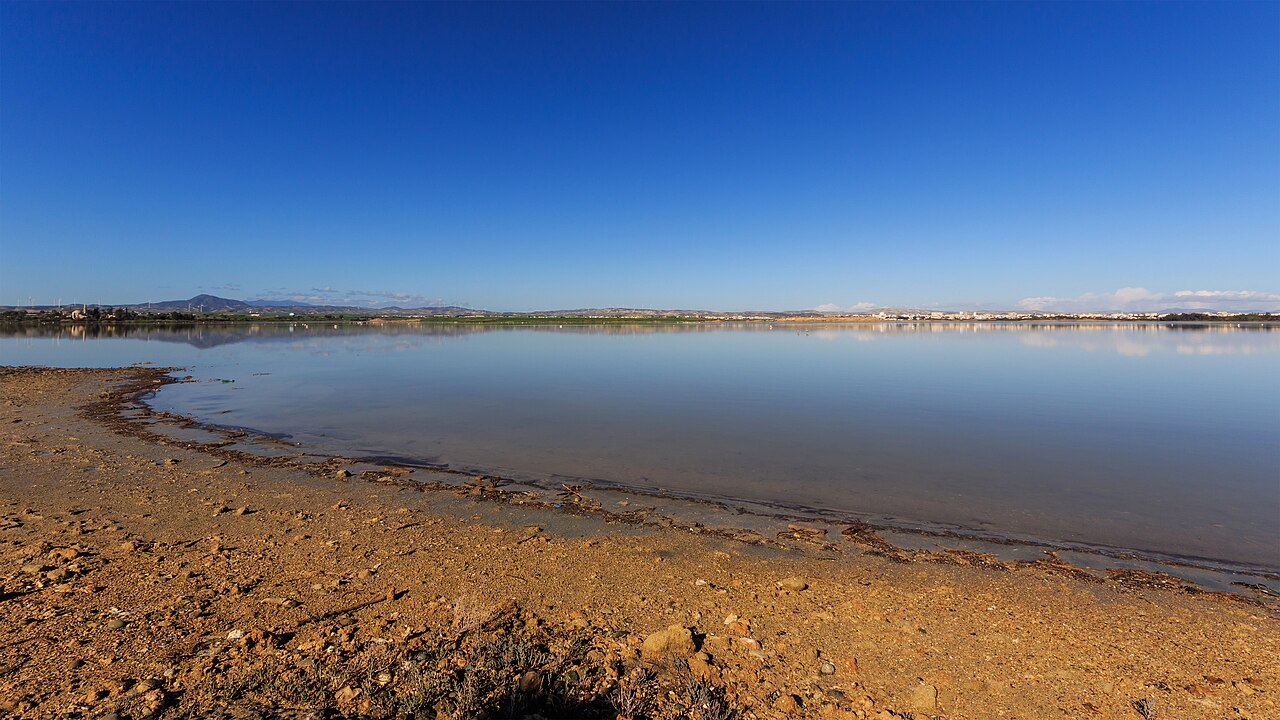
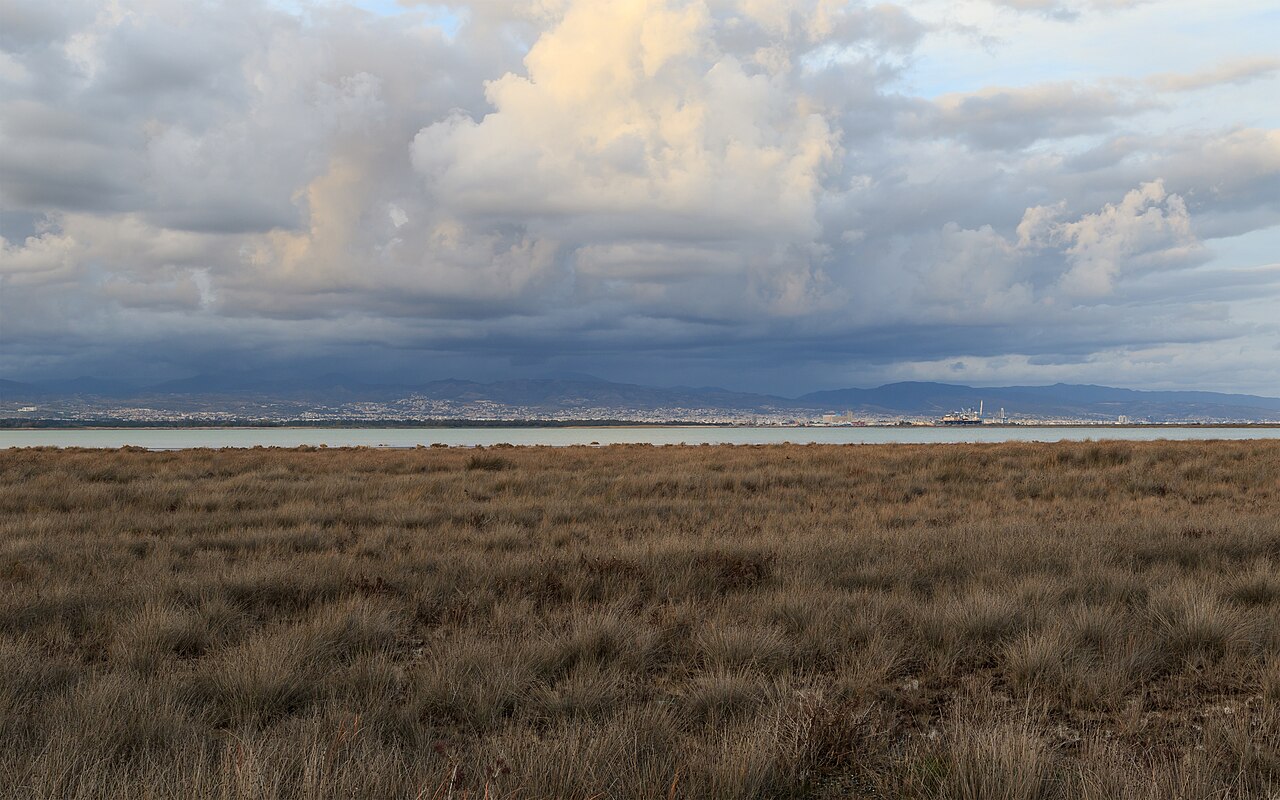
Larnaca Salt Lake is the easy one — it sits practically beside the airport, with a flat lakeside trail and the Hala Sultan Tekke mosque providing one of the island's most photogenic backdrops. Akrotiri Salt Lake near Limassol is wilder and often holds even bigger flocks, along with plenty of other wintering waterbirds for anyone with binoculars. Numbers and viewing distance vary with water levels — after a dry spell the birds can be far out in the middle — so bring a zoom lens, keep your distance, and go early in the morning for still water and the best light. By late spring the lakes dry out, the flamingos leave, and the show is over until next winter.
Frequently asked
Is Cyprus warm enough to sunbathe in winter?
In October and early November, yes — it can still feel like summer. From December to February you'll get plenty of sunny days warm enough to sit outside for lunch in a jumper, but genuine sunbathing weather is the exception, not the rule. Evenings are cold everywhere and the mountains are properly wintry.
Can you swim in the sea in Cyprus in December or January?
You can, and locals do — winter sea swimming is a real tradition at beaches like Mackenzie in Larnaca. But the water is at its coldest in January and February, so for most visitors it's a bracing dip rather than a swim. The sea stays pleasantly warm through October and into November; if swimming is the priority, aim for then.
Does it really snow in Cyprus?
Yes. The Troodos Mountains usually get snow from around late December to early March, and Mount Olympus, the highest point, has a small ski area with a few lifts. Snow cover varies a lot from year to year, so treat skiing as a possible bonus rather than a guarantee, and check road conditions before driving up after heavy falls.
Is Ayia Napa open in winter?
Mostly no. The clubs and the majority of bars close for the season, many hotels shut, and Nissi Beach is nearly deserted. A handful of year-round tavernas keep going, and Cape Greco's walks are actually at their best in cool weather — but if you want open restaurants and evening life, base yourself in Paphos, Limassol, Larnaca or Nicosia instead.
What is the best month to visit Cyprus in winter?
It depends what you want. October gives you warm seas and beach weather; February and March give you almond blossom, green hills, flamingos on the salt lakes and the best hiking; January and February are the most reliable months for snow in the Troodos. December and January are coolest and wettest, but still sunnier than almost anywhere else in Europe.
What’s on this winter

Limassol Wine Festival — 65th edition
The biggest wine festival in Cyprus, running nine days in the Municipal Gardens on the seafront. Entry is €5 for adults (€3 for 13–17s, under-12s free) and the wineries’ tastings inside are free; a wine glass costs €1.50–2.50 extra. Food, music and dance every evening.
Cyprus Comic Con
The island's home-grown pop culture convention, running annually since the mid-2010s with cosplay contests, artist alley, gaming zones and comic vendors. It is smaller and friendlier than the giant international cons, which makes it easy to actually see everything in a day. Tickets are modestly priced and the cosplay standard is impressively high for a small island.
Commandaria & Ppalouzes Day, Agios Mamas
A Sunday in Agios Mamas, one of the Commandaria wine villages in the hills north of Limassol, where you can watch — and help with — the making of ppalouzes and soutzoukos, the grape-must sweets of the harvest. Live folk music and dancing, a village market, donkey rides and storytelling for children; free entry.
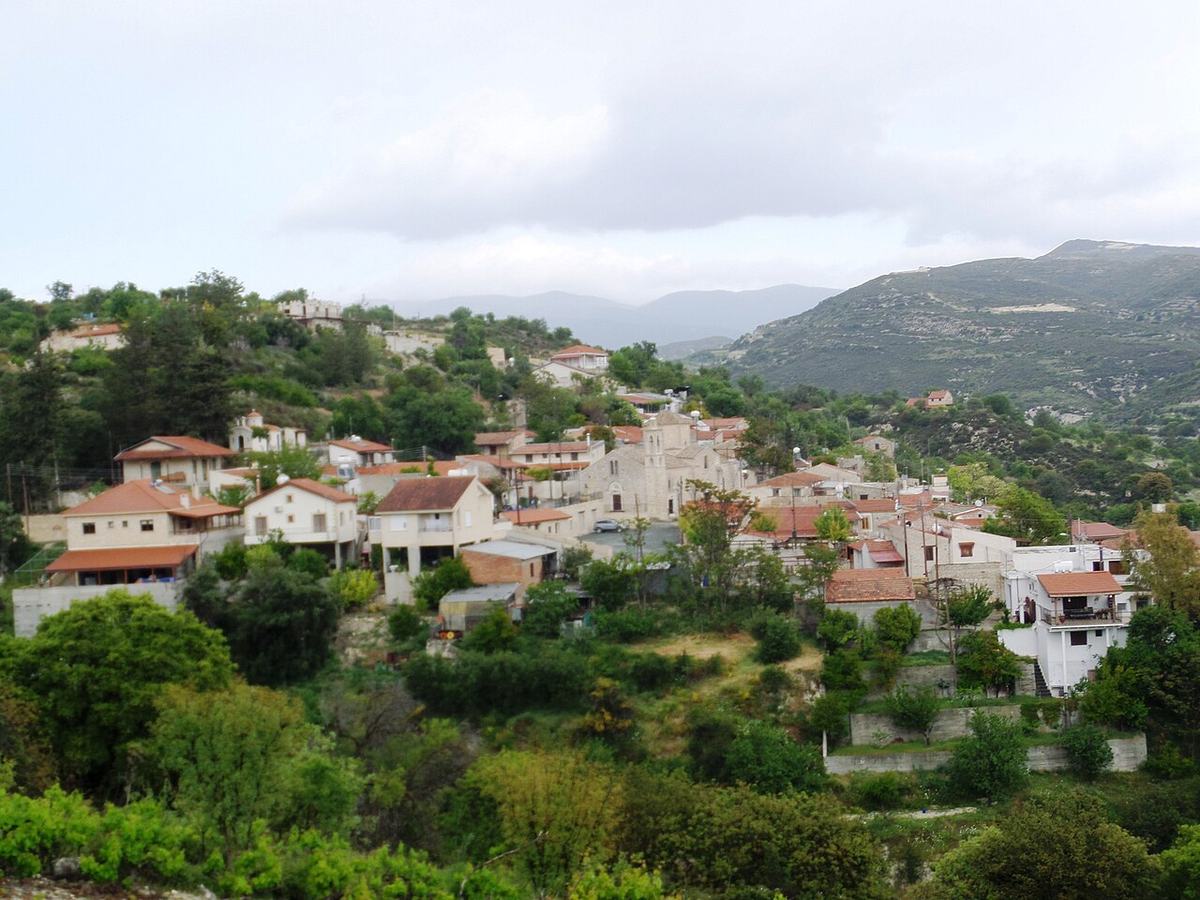
Potamiou Wine & Gastronomy Festival
The fourth edition of a harvest afternoon in Potamiou, a small village in the Limassol wine country: local wine and zivania, palouzes, soutzoukos, trahanas and tremithopita, workshops in traditional cooking, a cycling wine route and folk music and dancing into the evening. Free entry.
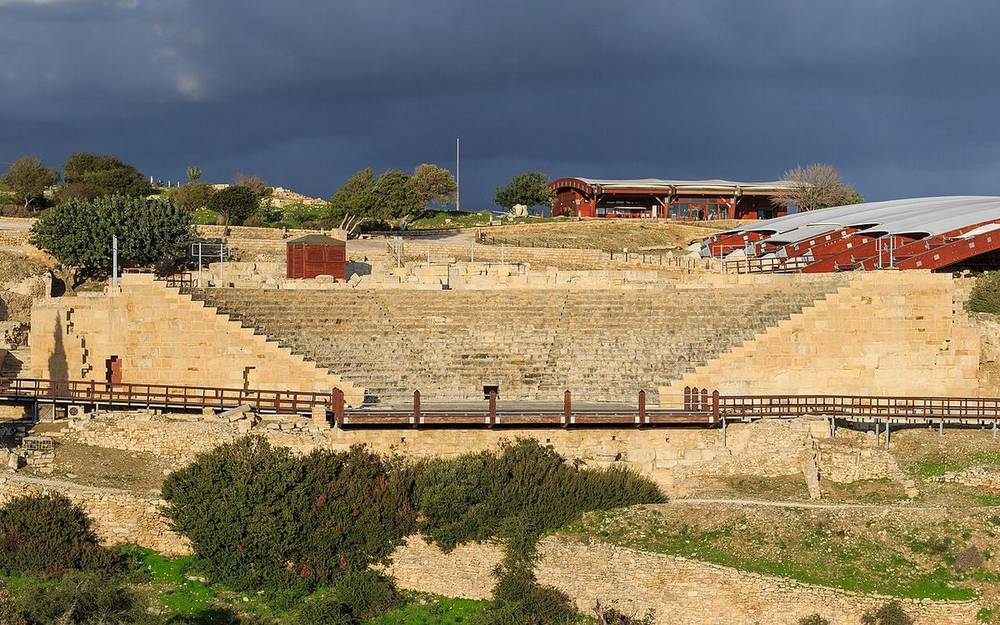
Aida Garifullina & the Cyprus Symphony Orchestra at Kourion
Two evenings of opera arias and songs with the soprano Aida Garifullina, tenor Kirill Sikora and baritone Semyon Antakov, accompanied by the Cyprus Symphony Orchestra under Myron Michailidis, in the Greco-Roman theatre on the cliff at Kourion. Concerts start at 8pm; tickets from €80.

MESTINPOLI Music Festival — Vol. 4
The autumn edition of Nicosia’s open-air music weekend, with DJs across both days and the Sunday given over to Greek hits. The organiser posts the venue and tickets on its social pages.
Featured in this guide
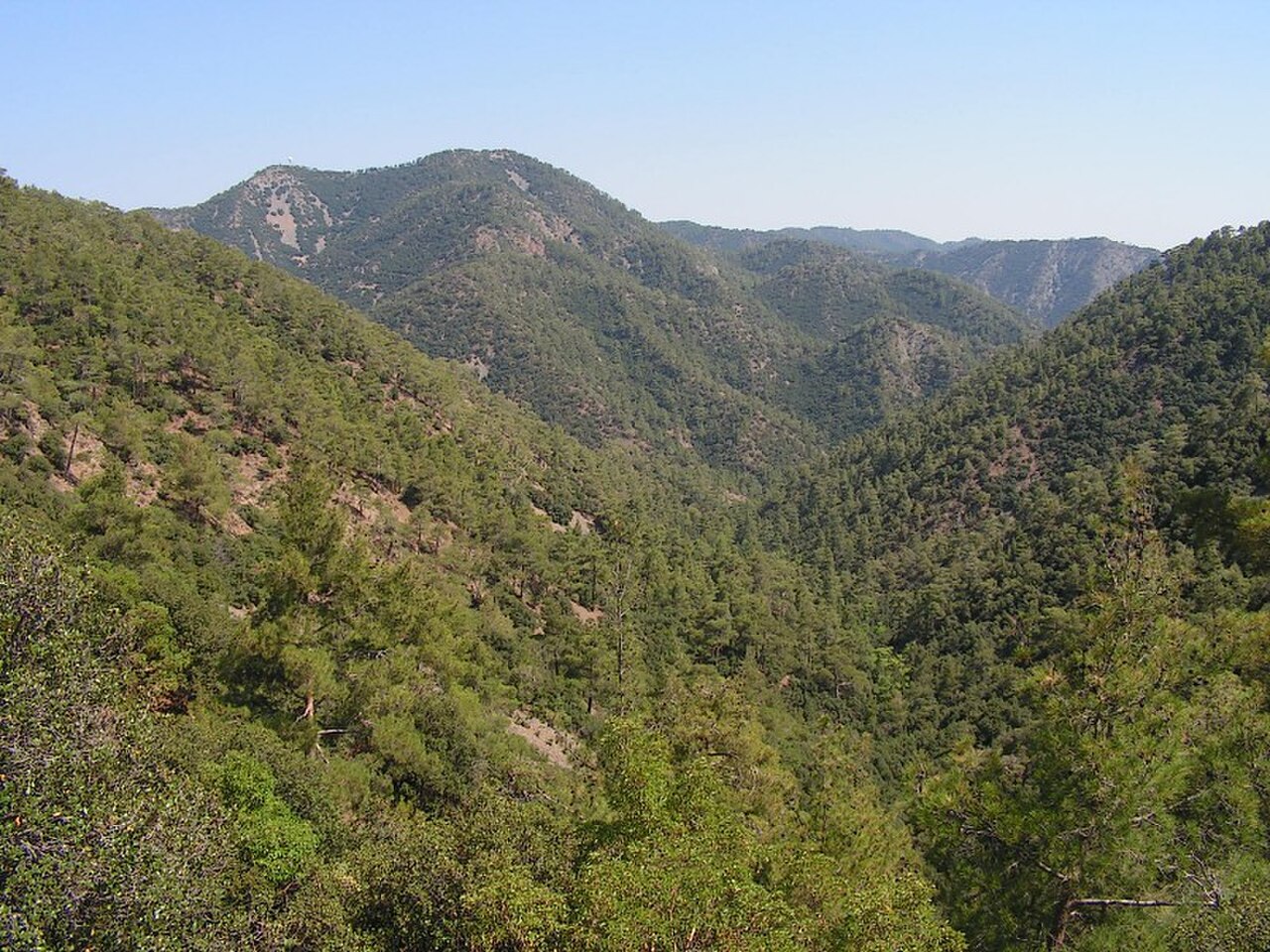
Artemis Trail · Mt Olympus
A near-level seven-kilometre loop circling the summit of Mount Olympus through black pine and juniper, with both coasts visible on a clear day. Snow-dusted in winter.
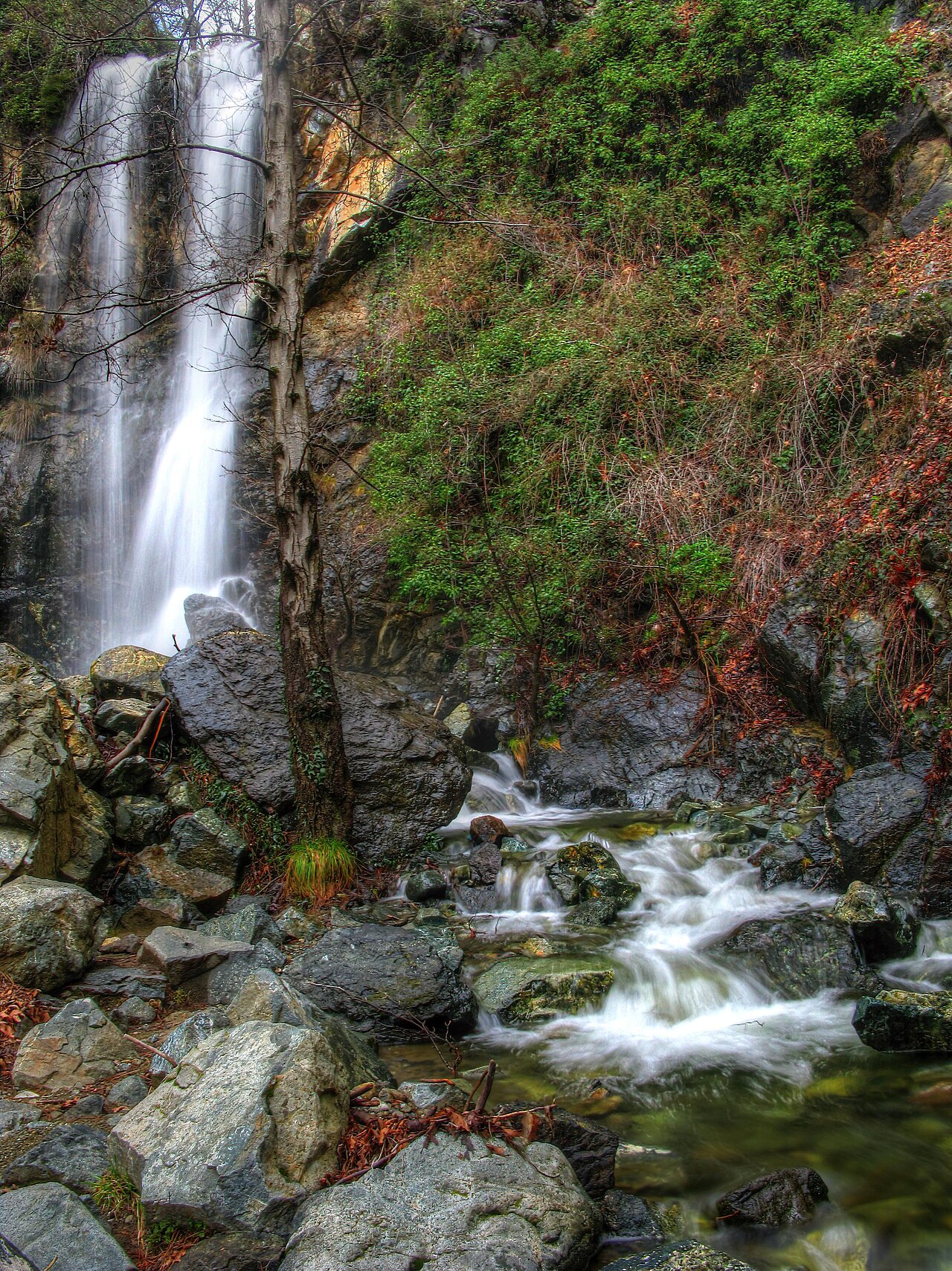
Caledonia Waterfall Trail
A cool two-hour forest loop tracing the Kryos river through pine and plane trees to a 13-metre waterfall — the island’s best escape from the August heat.
Kakopetria Old Village
A preserved mountain village of timber-balconied stone houses tumbling along a rushing stream, with a UNESCO-listed barn-roof church a short walk uphill.
Larnaca Salt Lake & Hala Sultan Tekke
In winter, thousands of flamingos wade across a mirror-flat salt lake; on its shore stands the palm-ringed Hala Sultan Tekke mosque. A flat walking trail circles the water.
Akrotiri Salt Lake
The island’s largest inland lake, where flamingos gather in their thousands each winter. A flat birding trail and hide skirt the water beneath the Fasouri eucalyptus avenue.
Avakas Gorge
A dramatic slot canyon where 30-metre limestone walls close to arm’s width overhead. Follow the stream bed past a famous wedged boulder; mouflon and griffon vultures live above.
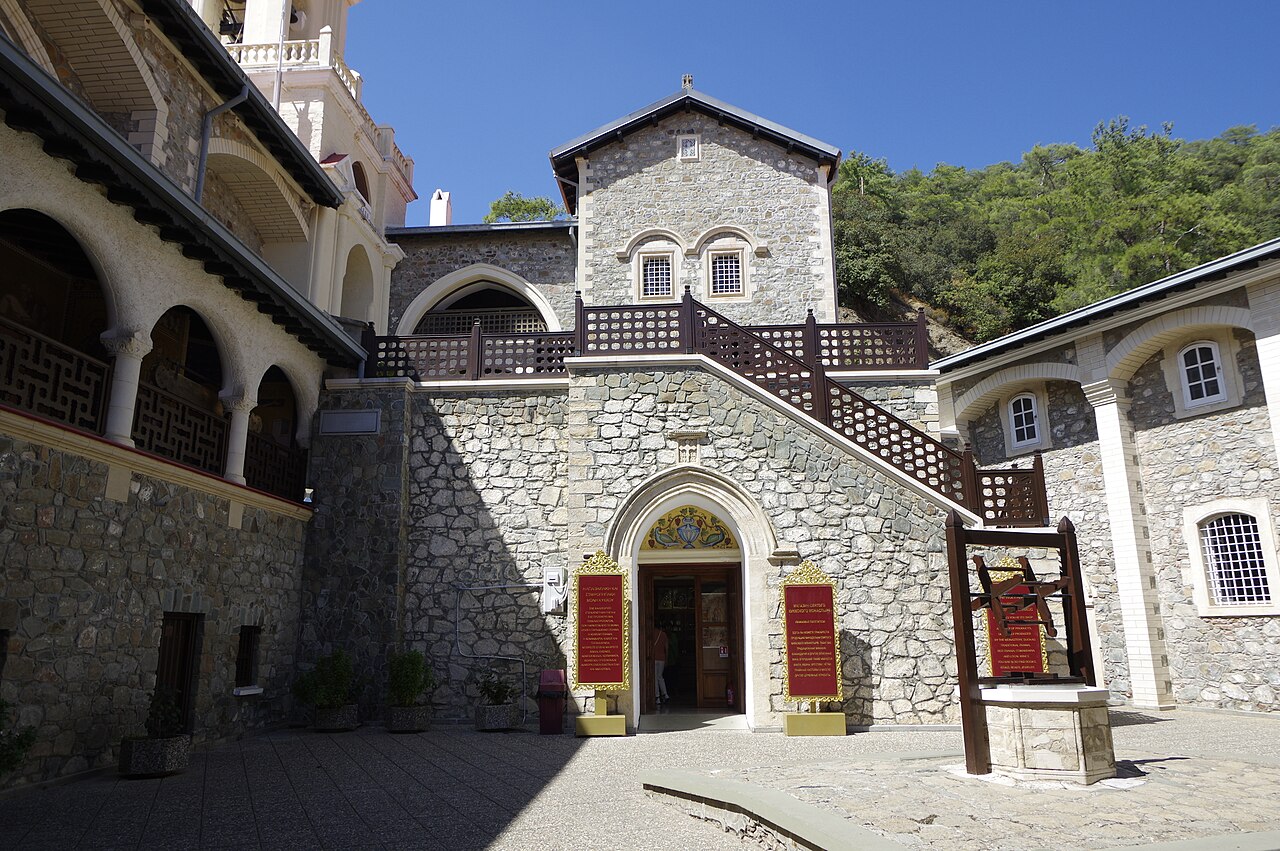
Kykkos Monastery
The wealthiest and most famous monastery in Cyprus, glittering with gold mosaics and frescoed corridors high in the Marathasa hills. Entry to the monastery itself is free, though the small museum charges a fee and coaches arrive in numbers by late morning. Dress modestly — wraps are provided at the door.
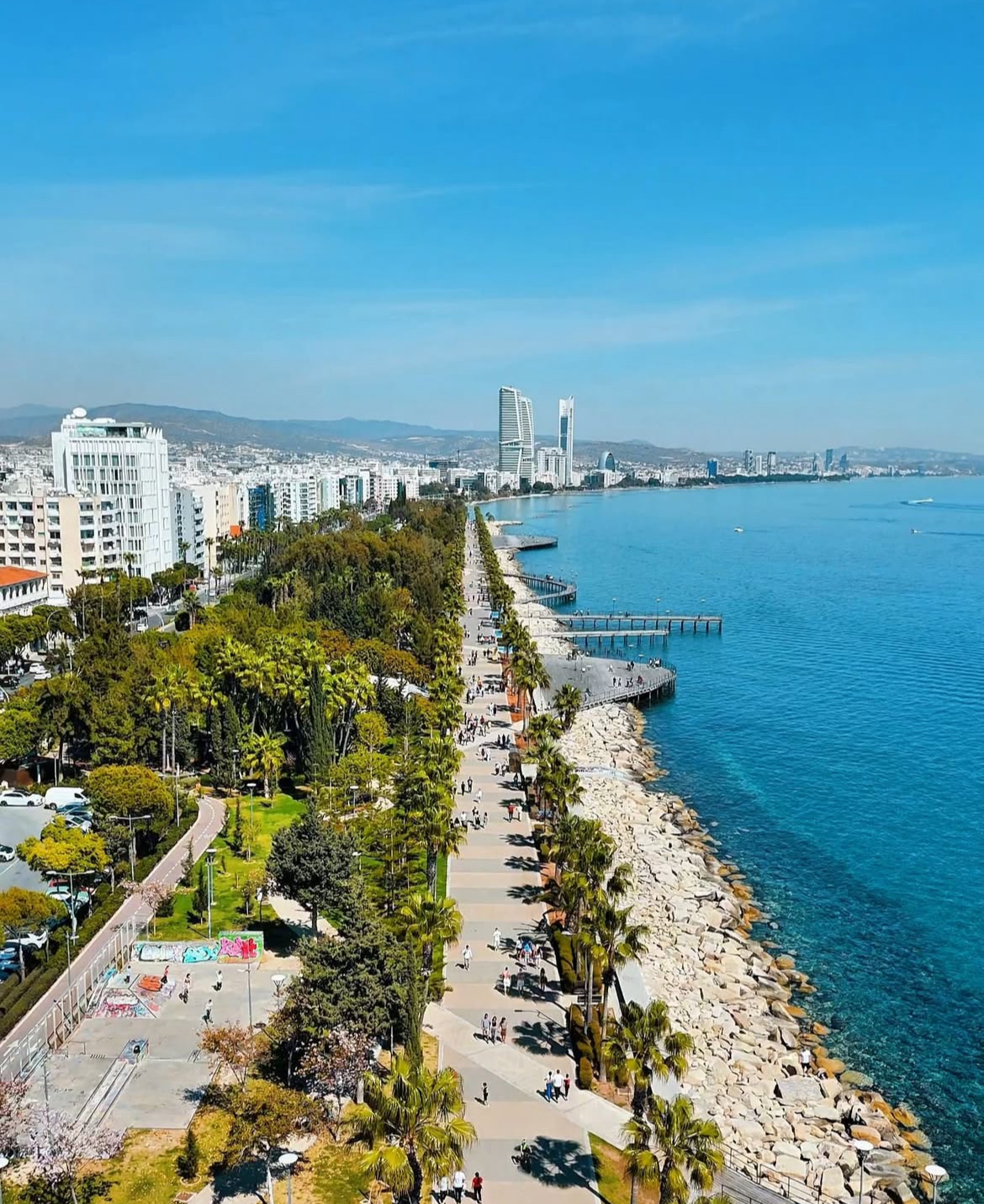
Limassol Old Town & Marina
The medieval castle, restored carob warehouses and a sleek modern marina knit into one walkable seafront — buzzing with cafés, street art and a long palm-lined promenade.
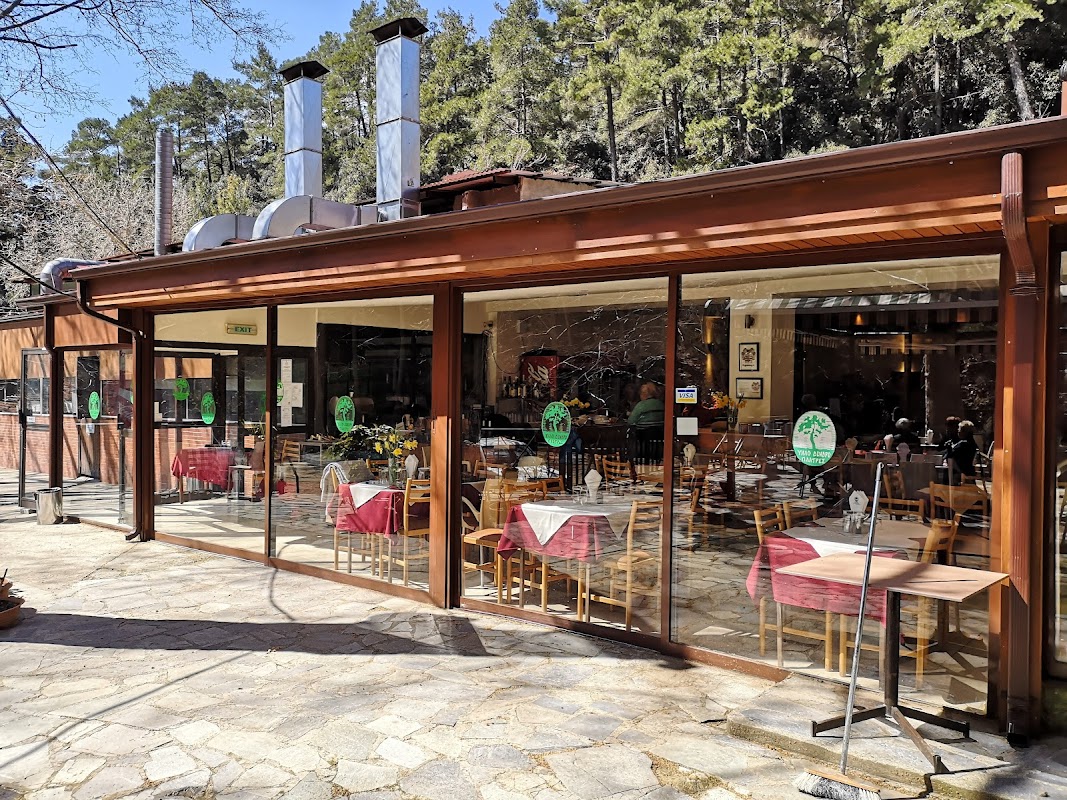
Psilo Dendro
A Platres institution at the foot of the Caledonia waterfall trail, serving trout raised in its own farm to generations of hikers and Sunday drivers. The menu beyond the fish is simple and the room fills fast after midday, but few Troodos meals feel this rooted in place.
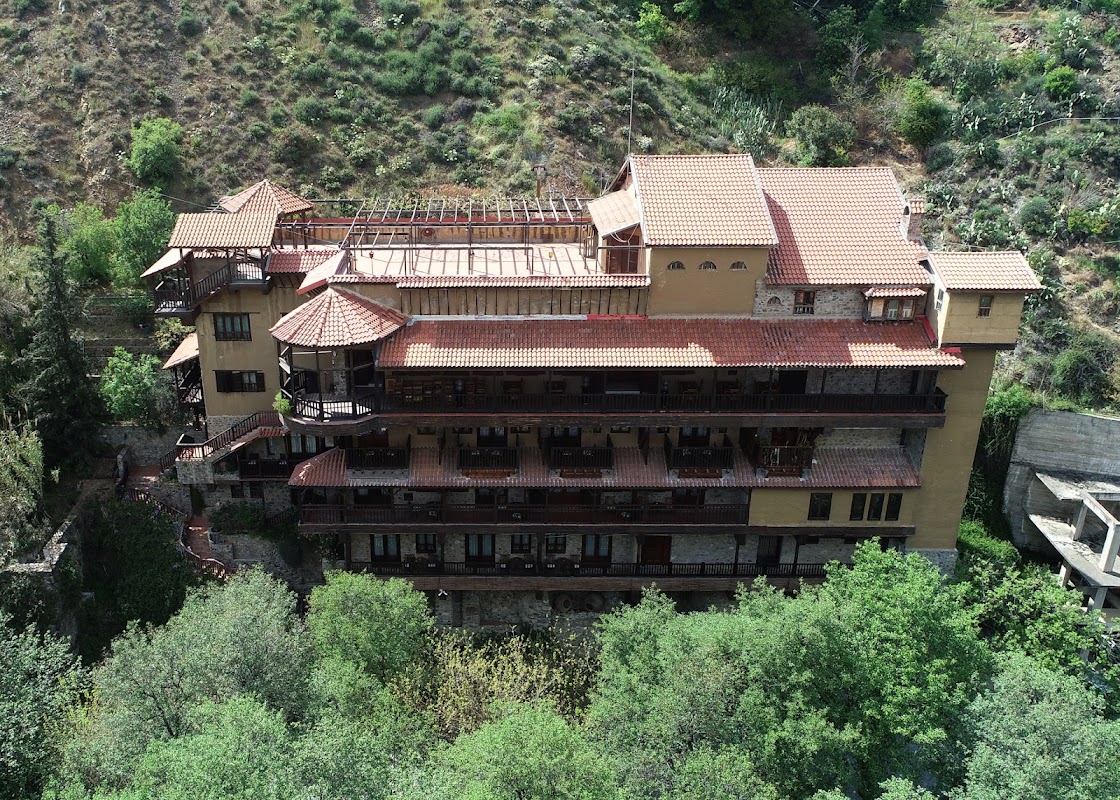
The Mill Hotel Restaurant
The restaurant of The Mill Hotel, beside the stream in Kakopetria with views of the mountains; diners on Google single out its fresh trout. Its Google rating covers the hotel and restaurant together.
Turn this into your own trip — save the spots you like and plan the days.