
25 Best Things to Do in Cyprus
From turtle beaches to mountain waterfalls and meze that lasts all night — the definitive island-wide hit list, honestly ranked.
If you only read one guide before your trip, make it this one. Cyprus packs an improbable amount into a small island: Blue Flag beaches and wild sea-turtle coves, Greco-Roman theatres perched above the Mediterranean, pine-covered mountains with waterfalls and frescoed churches, wine villages that have been pressing grapes for centuries, and a nightlife scene that ranges from beach bars to legendary superclubs. The trick is knowing which of it is genuinely worth your time — and that is exactly what this list is for.
We have ranked 25 things to do in Cyprus across the whole island, mixing free natural wonders with paid attractions that earn their ticket price. We will be honest with you throughout: some famous spots get uncomfortably crowded in July and August, some boat trips are better than others, and a few 'must-sees' are really 'nice-if-passings'. Where a state archaeological site charges entry, it is a modest €2.50 or €4.50 — everything else on this list from gorges to viewpoints costs nothing but petrol.
One practical note before we start: Cyprus rewards drivers. The best of this list — the Akamas peninsula, the Troodos villages, the quieter coves — sits beyond the reach of hotel strips, so hire a car for at least part of your stay and the island opens right up.
The beaches everyone asks about (1–5)
1. Nissi Beach, Ayia Napa — the poster child of Cypriot beaches, and yes, the water really is that colour. A shallow sandbar links the beach to its little islet, the sand is soft and white, and the atmosphere in summer is a full-on party. Come early morning or in shoulder season if you want the postcard without the crowds. 2. Fig Tree Bay, Protaras — Nissi's calmer sibling: gentle, family-friendly water, a swimmable islet just offshore and a long promenade of cafés behind it.
3. Konnos Bay — tucked between Protaras and Cape Greco, this half-moon of turquoise framed by juniper cliffs is many locals' pick for the prettiest swim on the island. It is small, so it fills fast in high summer. 4. Lara Bay — at the other extreme entirely: a wild, undeveloped turtle-nesting beach on the Akamas coast with no sunbeds, no bars and rutted dirt-track access. Green and loggerhead turtles nest here, so respect the protected cages and take everything you brought back out with you.
5. Coral Bay — Paphos's flagship beach: a broad horseshoe of golden sand with calm, shallow water and full facilities. It is the sensible family choice on the west coast, and a good base for exploring the wilder sea caves and coastline just north at Agios Georgios.
The wild west: Akamas and beyond (6–9)
6. Swim the Blue Lagoon — the single most spectacular patch of water in Cyprus, a bay of impossible aquamarine on the Akamas peninsula. Most people arrive by boat from Latchi harbour; the adventurous take a 4x4 or quad along the rough coastal track. Either way, go — but know that midday in August means a flotilla of boats, so aim for the first departure of the day.
7. Hike Avakas Gorge — a slot canyon where the limestone walls narrow to a few metres across and tower high overhead. The walk to the narrowest section is manageable for most reasonably fit visitors; wear proper shoes, as the streambed is rocky and can be slippery. 8. Baths of Aphrodite — the grotto itself is modest (a shady pool where the goddess supposedly bathed), but it is the trailhead for some of the best coastal walking on the island, with huge views over Chrysochou Bay.
9. The Edro III shipwreck — a cargo ship grounded on the rocks near Pegeia's sea caves, sitting photogenically close to shore. It costs nothing, takes twenty minutes, and delivers one of the most striking photographs you will take in Cyprus, especially at sunset.
Ancient sites and landmarks (10–14)
10. Aphrodite's Rock (Petra tou Romiou) — the sea stack where the goddess of love is said to have risen from the foam. The pebble beach and that great hulk of rock against the open Mediterranean make this the island's defining view; come for sunset and you will understand the myth. 11. Kourion — the finest ancient site in Cyprus: a Greco-Roman theatre carved into a clifftop above the sea, plus mosaics, baths and a forum. The state entry fee of €4.50 is the best-spent money on this list.
12. Paphos's archaeological treasures — the town's UNESCO-listed mosaics and the rock-cut Tombs of the Kings are world class, and standard state entry fees (€2.50–€4.50) apply. Give the mosaics at least a couple of unhurried hours. 13. The Kamares Aqueduct — Larnaca's elegant Ottoman-era aqueduct, free to wander and at its most photogenic towards dusk; pair it with an evening stroll along the palm-lined Finikoudes seafront.
14. Larnaca Salt Lake and Hala Sultan Tekke — in winter and early spring the lake turns pink with flamingos, with the mosque of Hala Sultan Tekke mirrored on the water behind them. In summer it is a cracked white salt pan — striking in a different way, but no birds, so time this one to your season.
Into the Troodos mountains (15–19)
15. Chase waterfalls at Caledonia — the prettiest of the Troodos falls, reached by a lovely streamside nature trail near Platres; its neighbour Millomeris is an easier walk if you want a gentler option. 16. Walk the Artemis Trail — a near-level loop around the summit of Mount Olympus through ancient black pines, with views across half the island on a clear day. In winter there is often snow up here while people swim on the coast — one of the great Cyprus party tricks.
17. Kykkos Monastery — the richest and most famous monastery in Cyprus, glittering with gold mosaics and frescoed cloisters deep in the western Troodos. It is a working monastery, so dress modestly; the mountain drive to reach it is half the pleasure. 18. Omodos — the best of the wine villages: a cobbled square, an old monastery, and family wineries pouring their own whites and reds alongside the island's famous sweet Commandaria. Go in the late afternoon when the coach tours have left.
19. Kakopetria — the most atmospheric of the mountain villages, with a preserved old quarter of stone-and-timber houses stacked above a rushing river. Stay for lunch: locally farmed trout is the classic dish of the Troodos villages.
East coast adventures and boat trips (20–22)
20. Cape Greco — the national forest park between Ayia Napa and Protaras is the east coast's natural highlight: sea cliffs, a whitewashed chapel, cliff-jumping coves and the dramatic sea caves carved into the headland. Walk the coastal path in the golden hour and you will forgive the east coast all its concrete. 21. Take a boat trip — seeing the sea caves and the lagoons from the water is a different experience altogether. Family-friendly pirate cruises sail out of Ayia Napa harbour, while glass-bottom and speedboat options run all along the coast.
22. Do a waterpark day — Cyprus does waterparks properly, with big themed parks at Ayia Napa, Paphos and Limassol. They are paid attractions and not cheap, but if you are travelling with children (or just enjoy a lazy river), one full day is money well spent — go on a weekday to dodge the longest queues.
Eat like a Cypriot (23–24)
23. Surrender to a meze night — the essential Cyprus food experience: a slow parade of small dishes, from halloumi and village salad through grilled meats or the day's fish. Do it somewhere unpretentious and family-run; in Nicosia's old town, Zanettos has been doing exactly this for generations. Arrive hungry and cancel your evening plans.
24. Eat fish by a working harbour — order whatever came off the boats that morning and eat it a few metres from where it landed. The fishing harbour at Ayia Napa is the classic setting for it, and the tiny fishing creek at Potamos Liopetriou shows you the older, quieter Cyprus that the resorts grew up around.
After dark (25)
25. Sample the nightlife — Cyprus after dark runs the full spectrum. Ayia Napa remains the party capital, from the square's big clubs to Castle Club, the long-standing heavyweight. Limassol offers the grown-up alternative: cocktail bars in the old town, a polished marina, and sunset sessions at Guaba on the coast just east of the city. Pick your flavour — or, this being a small island, do both in one trip.
That is the 25. You will not fit them all into one week, and you should not try: pick a coast, add two days in the Troodos, and leave the rest as the reason you come back. Almost everyone does.
Frequently asked
How many days do you need in Cyprus?
A week covers one coast plus a couple of days in the Troodos mountains comfortably. Ten days to two weeks lets you do the island properly — west coast and Akamas, the mountains, and the east coast beaches — without spending your holiday in the car.
Do you need a car in Cyprus?
For this list, yes. Buses link the main towns and resorts, but the Akamas peninsula, the Troodos villages, waterfalls and the wilder beaches are all far easier with your own wheels. Cyprus drives on the left, which makes it an easy switch for British visitors.
What is the best time of year to visit Cyprus?
May, June, September and October offer warm sea, long days and thinner crowds. July and August are hot and busy, especially at the famous beaches. Winter is quiet and mild on the coast — and it is flamingo season at the salt lakes, with occasional snow in the Troodos.
Are the ancient sites in Cyprus expensive?
No. The state-run archaeological sites, including Kourion and the Paphos mosaics, charge modest official entry fees of €2.50 or €4.50. Many of the island's best experiences — gorges, viewpoints, beaches, village wandering — are completely free.
Which is better for a first visit: Paphos side or Ayia Napa side?
Choose by priority. The west (Paphos and Akamas) wins for nature, ancient sites and wild coastline; the east (Ayia Napa and Protaras) has the finest swimming beaches and the nightlife. The Troodos mountains sit within day-trip reach of either.
Events coming up in Cyprus

Limassol Wine Festival — 65th edition
The biggest wine festival in Cyprus, running nine days in the Municipal Gardens on the seafront. Entry is €5 for adults (€3 for 13–17s, under-12s free) and the wineries’ tastings inside are free; a wine glass costs €1.50–2.50 extra. Food, music and dance every evening.
Cyprus Comic Con
The island's home-grown pop culture convention, running annually since the mid-2010s with cosplay contests, artist alley, gaming zones and comic vendors. It is smaller and friendlier than the giant international cons, which makes it easy to actually see everything in a day. Tickets are modestly priced and the cosplay standard is impressively high for a small island.
Commandaria & Ppalouzes Day, Agios Mamas
A Sunday in Agios Mamas, one of the Commandaria wine villages in the hills north of Limassol, where you can watch — and help with — the making of ppalouzes and soutzoukos, the grape-must sweets of the harvest. Live folk music and dancing, a village market, donkey rides and storytelling for children; free entry.
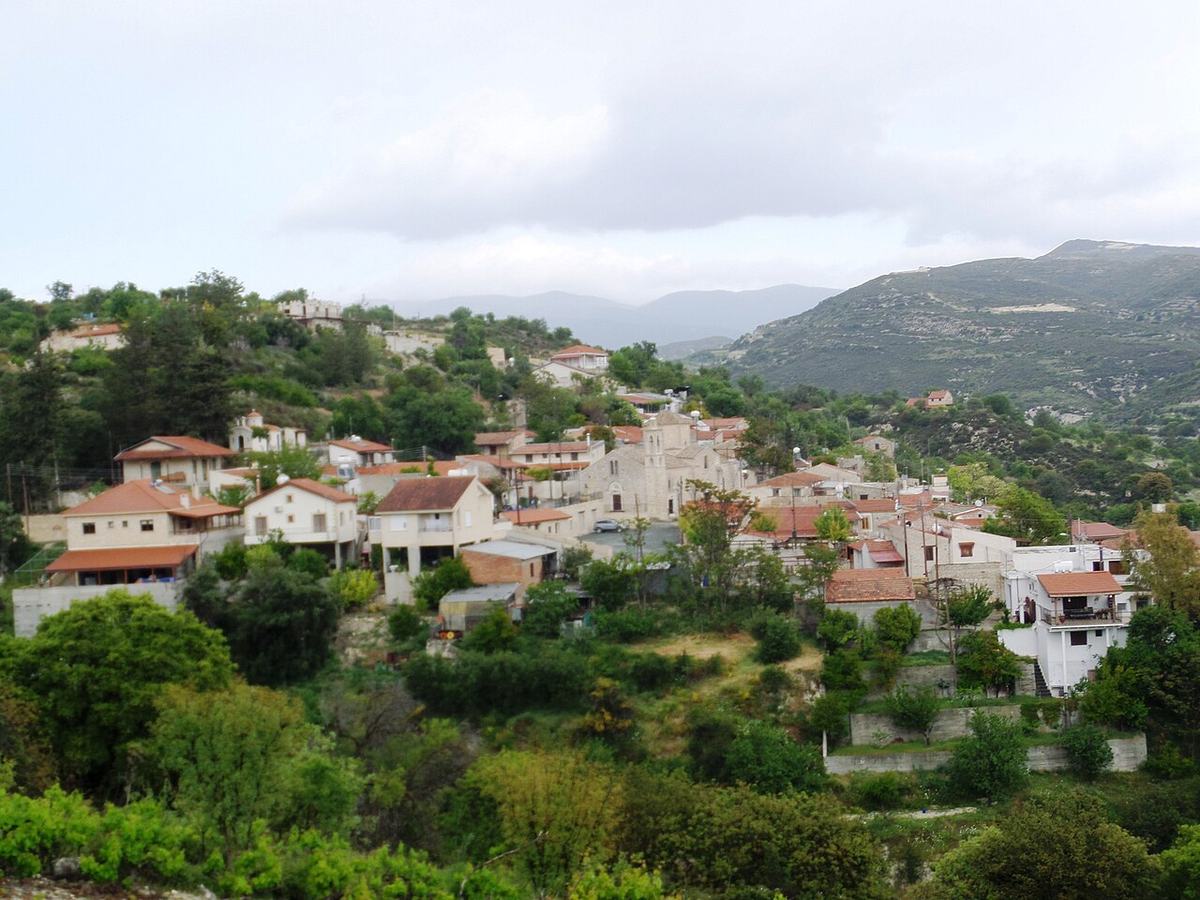
Potamiou Wine & Gastronomy Festival
The fourth edition of a harvest afternoon in Potamiou, a small village in the Limassol wine country: local wine and zivania, palouzes, soutzoukos, trahanas and tremithopita, workshops in traditional cooking, a cycling wine route and folk music and dancing into the evening. Free entry.
Featured in this guide
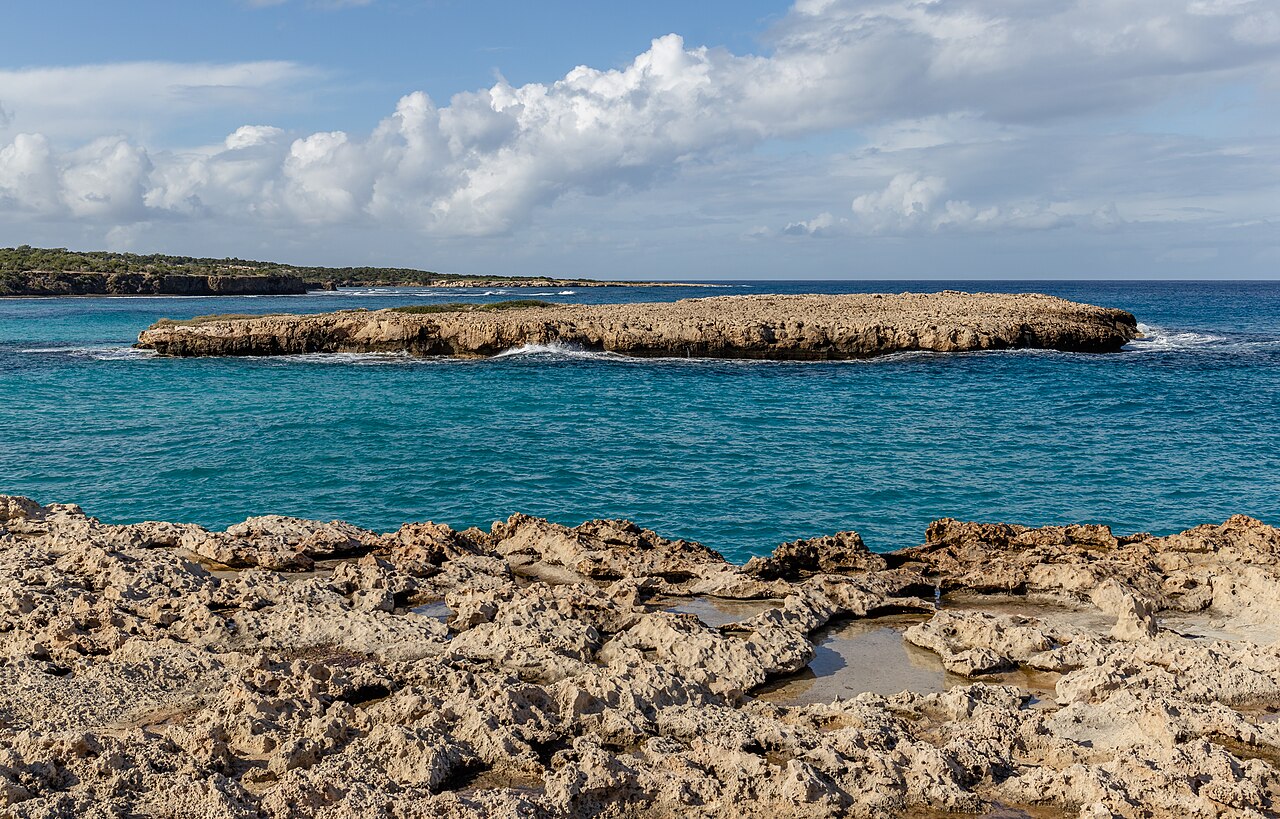
Blue Lagoon
A sheltered cove of electric-turquoise water at the tip of the Akamas. Reach it by boat from Latchi, a rugged 4×4 track, or a two-hour coastal hike — then swim straight off the rocks.
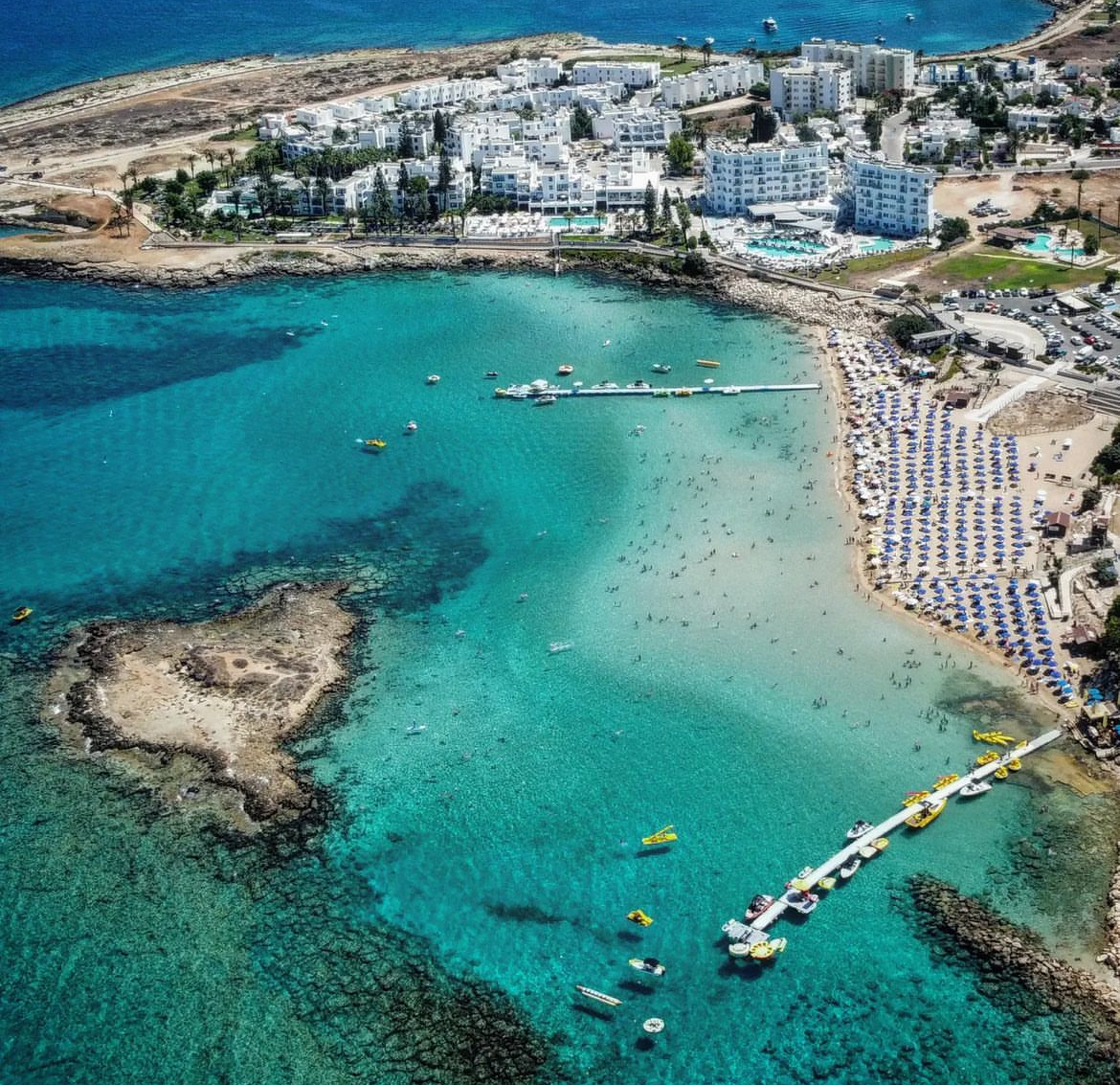
Nissi Beach
Powder-white sand and luminous shallow water with a little islet you can wade out to across a natural sandbar — the postcard beach of Ayia Napa, free to walk on year-round.
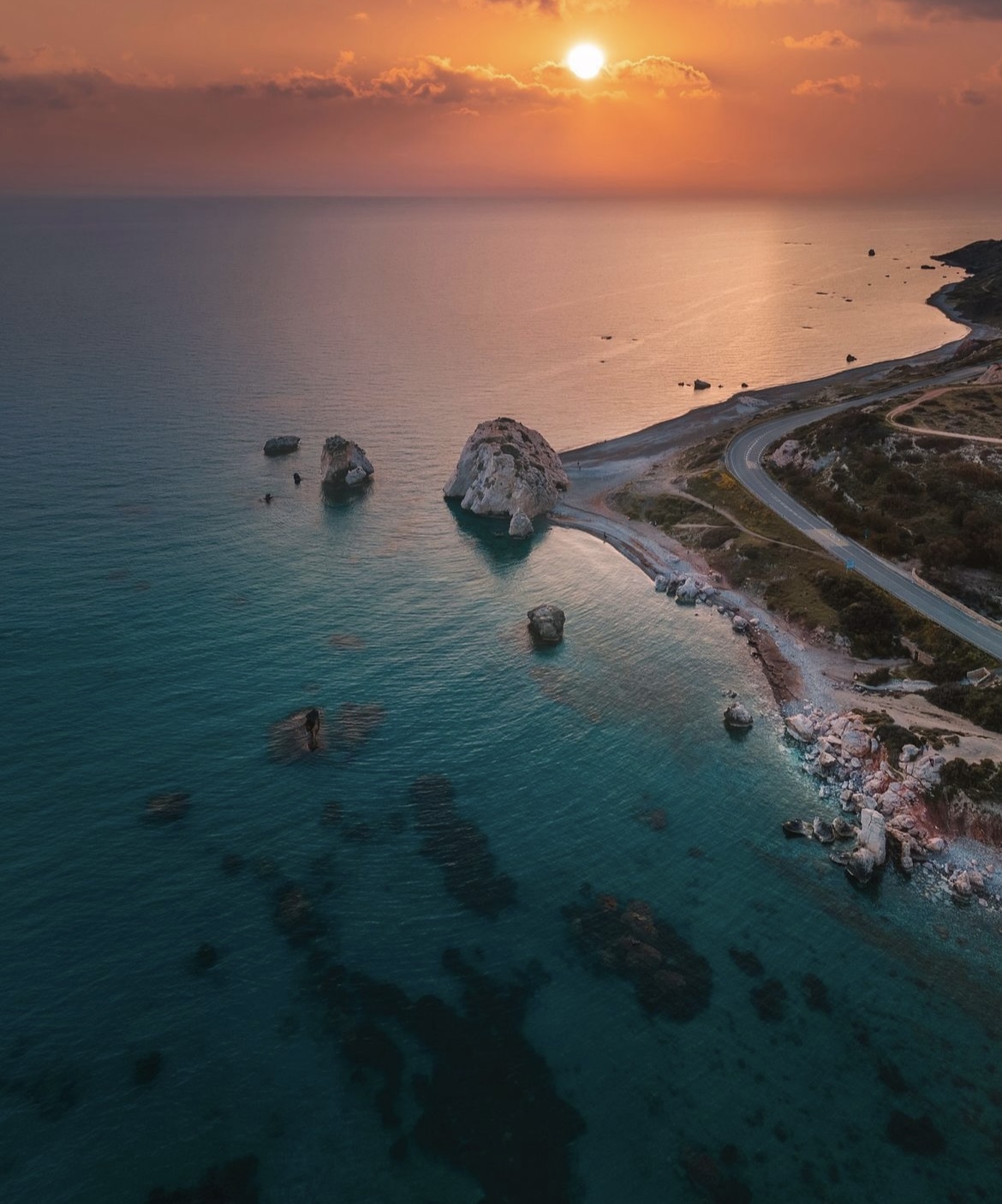
Petra tou Romiou — Aphrodite’s Rock
The mythical birthplace of Aphrodite, where sea stacks rise from a pebble beach. Swim a loop around the rock at dusk, when the whole bay turns molten gold.
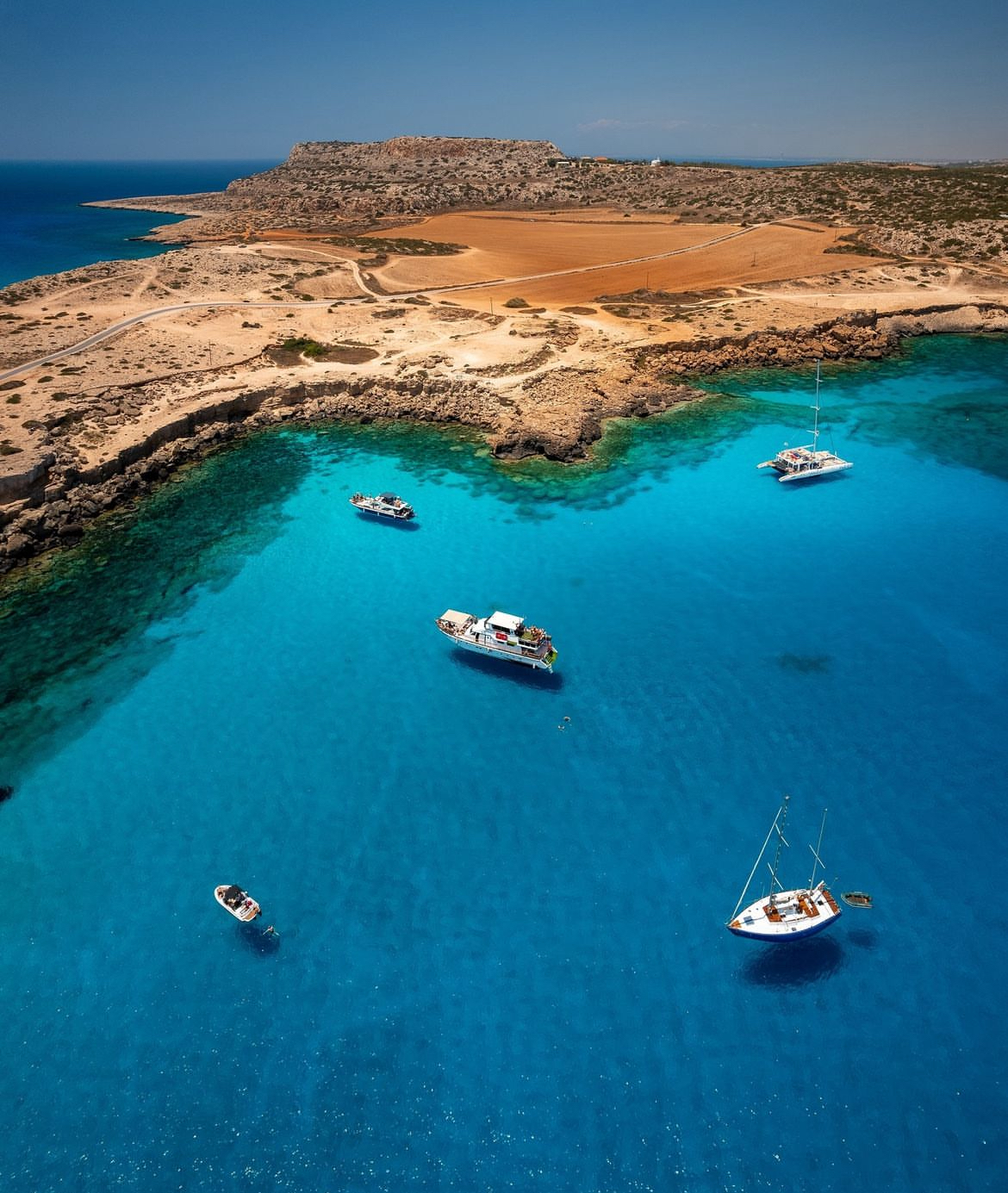
Cape Greco National Forest Park
Wind-carved sea caves, blue holes and a network of clifftop and coastal trails on the island’s south-east horn, with a tiny white chapel above the water.
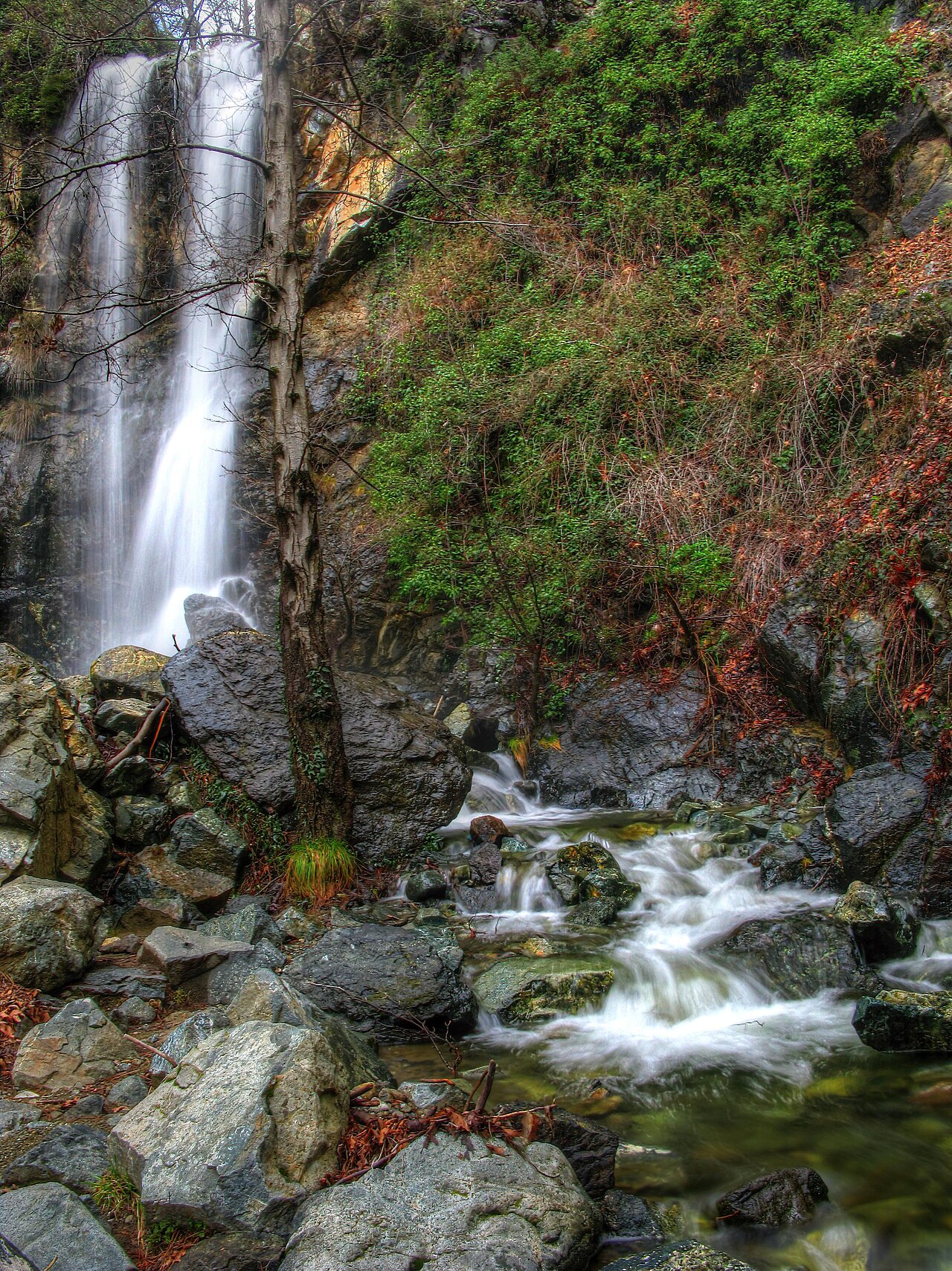
Caledonia Waterfall Trail
A cool two-hour forest loop tracing the Kryos river through pine and plane trees to a 13-metre waterfall — the island’s best escape from the August heat.
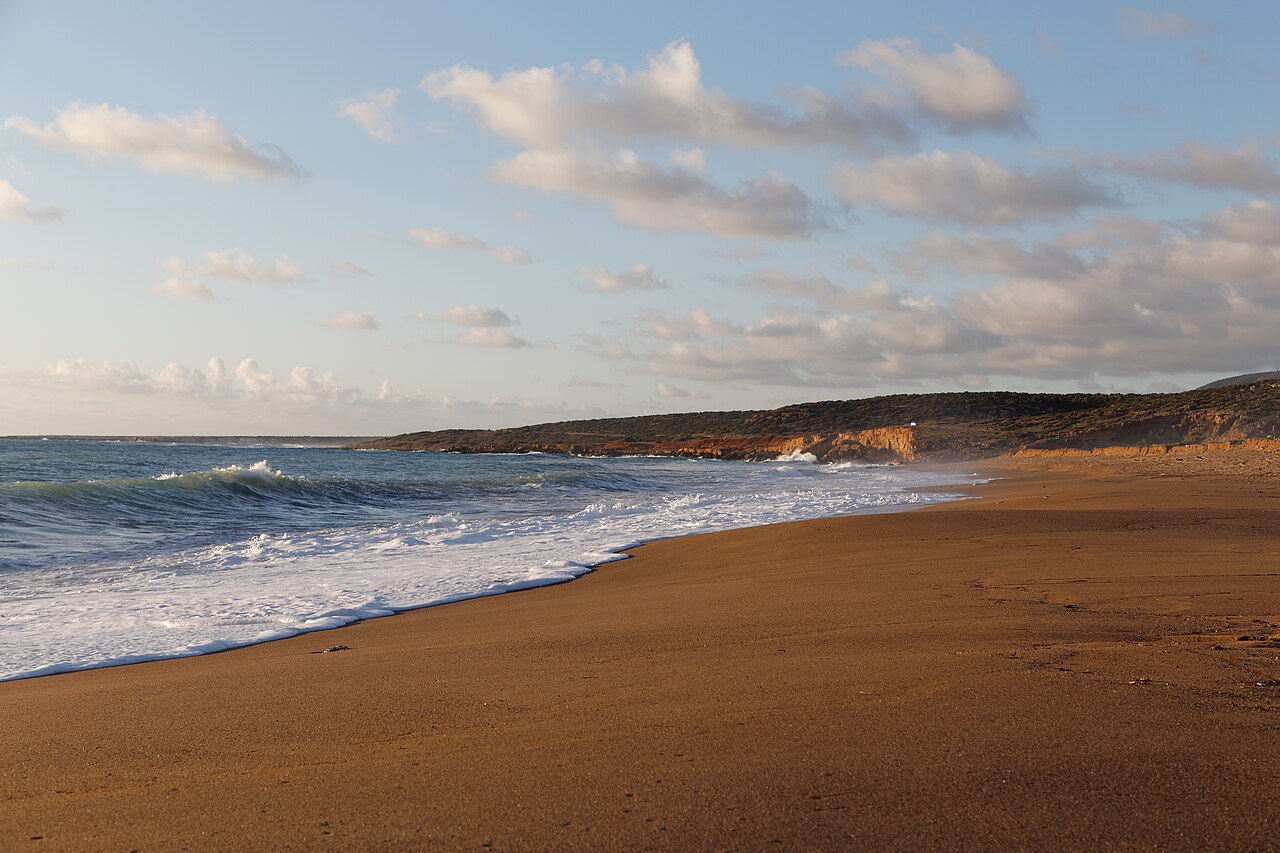
Lara Bay
A wide crescent of untouched golden sand and a protected loggerhead & green-turtle nesting site. No facilities, no umbrellas — just dunes, sea and the conservation hatchery.
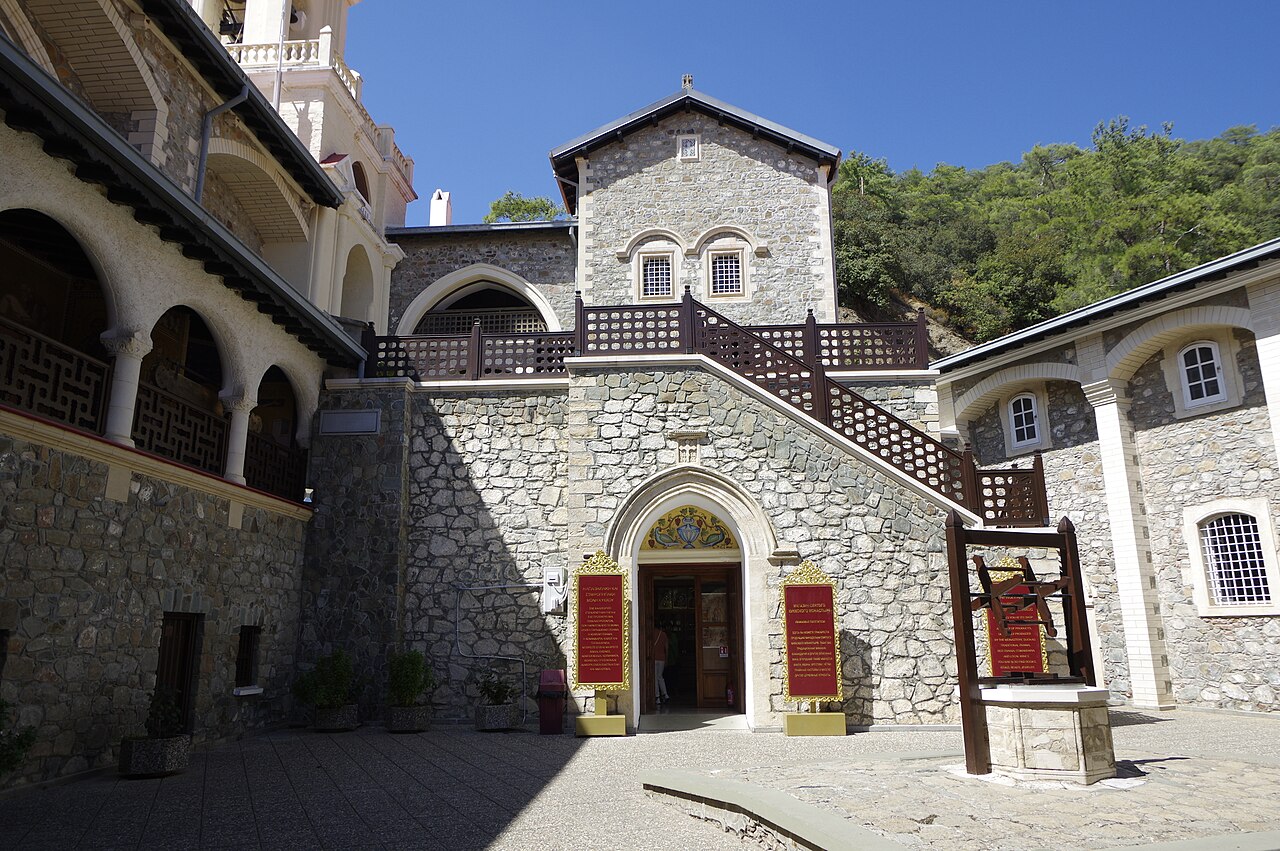
Kykkos Monastery
The wealthiest and most famous monastery in Cyprus, glittering with gold mosaics and frescoed corridors high in the Marathasa hills. Entry to the monastery itself is free, though the small museum charges a fee and coaches arrive in numbers by late morning. Dress modestly — wraps are provided at the door.
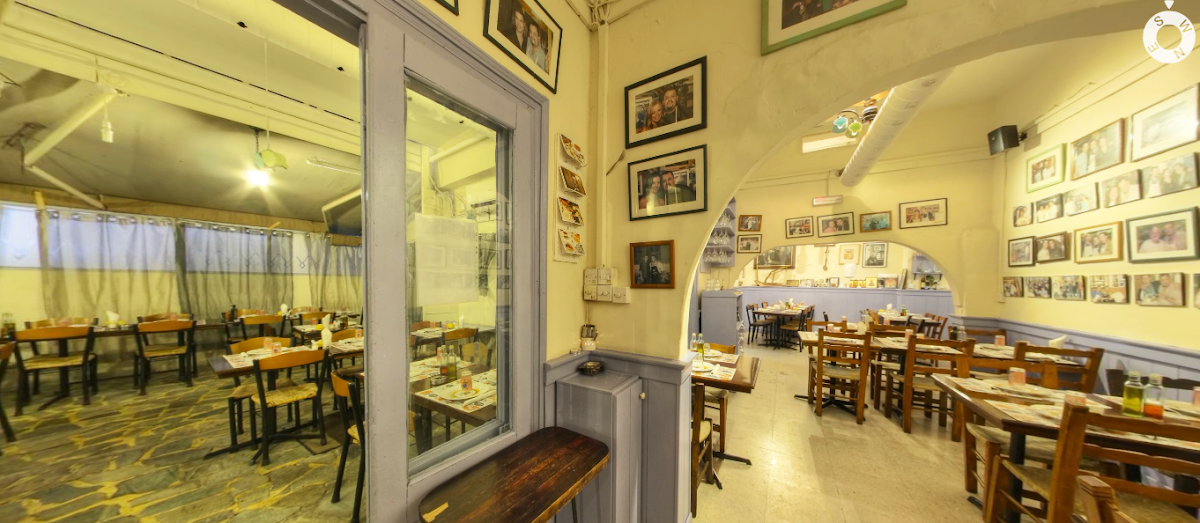
Zanettos Taverna
One of the oldest meze houses in the capital, serving the same honest dishes since 1938.
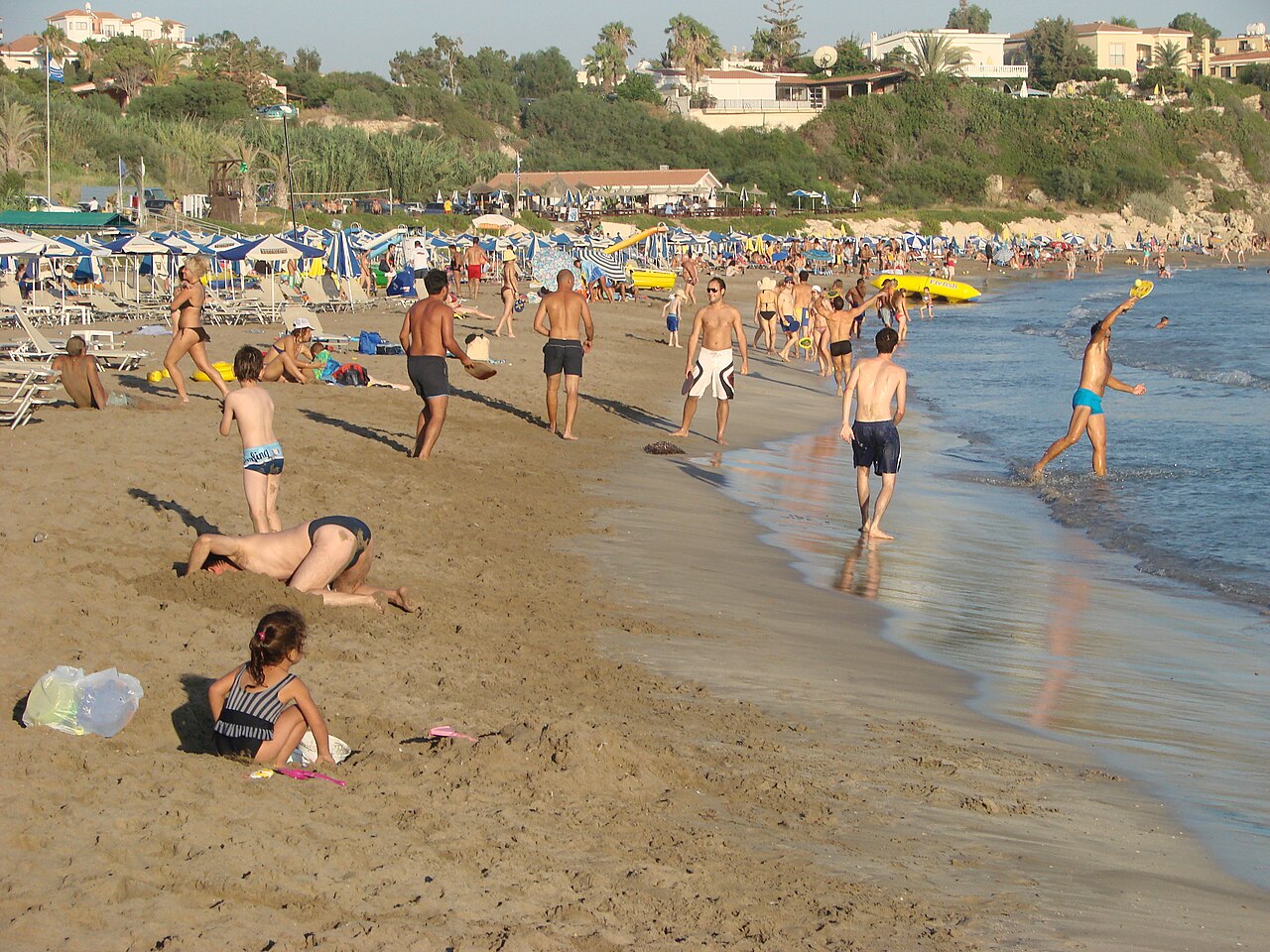
Petsas Rent a Car
One of Cyprus’s longest-running car hire firms — in business for over 60 years, the company says — with desks at Larnaca and Paphos airports and offices in Nicosia, Limassol, Paphos town and Ayia Napa.
Turn this into your own trip — save the spots you like and plan the days.