Hike
Caledonia Waterfall Trail
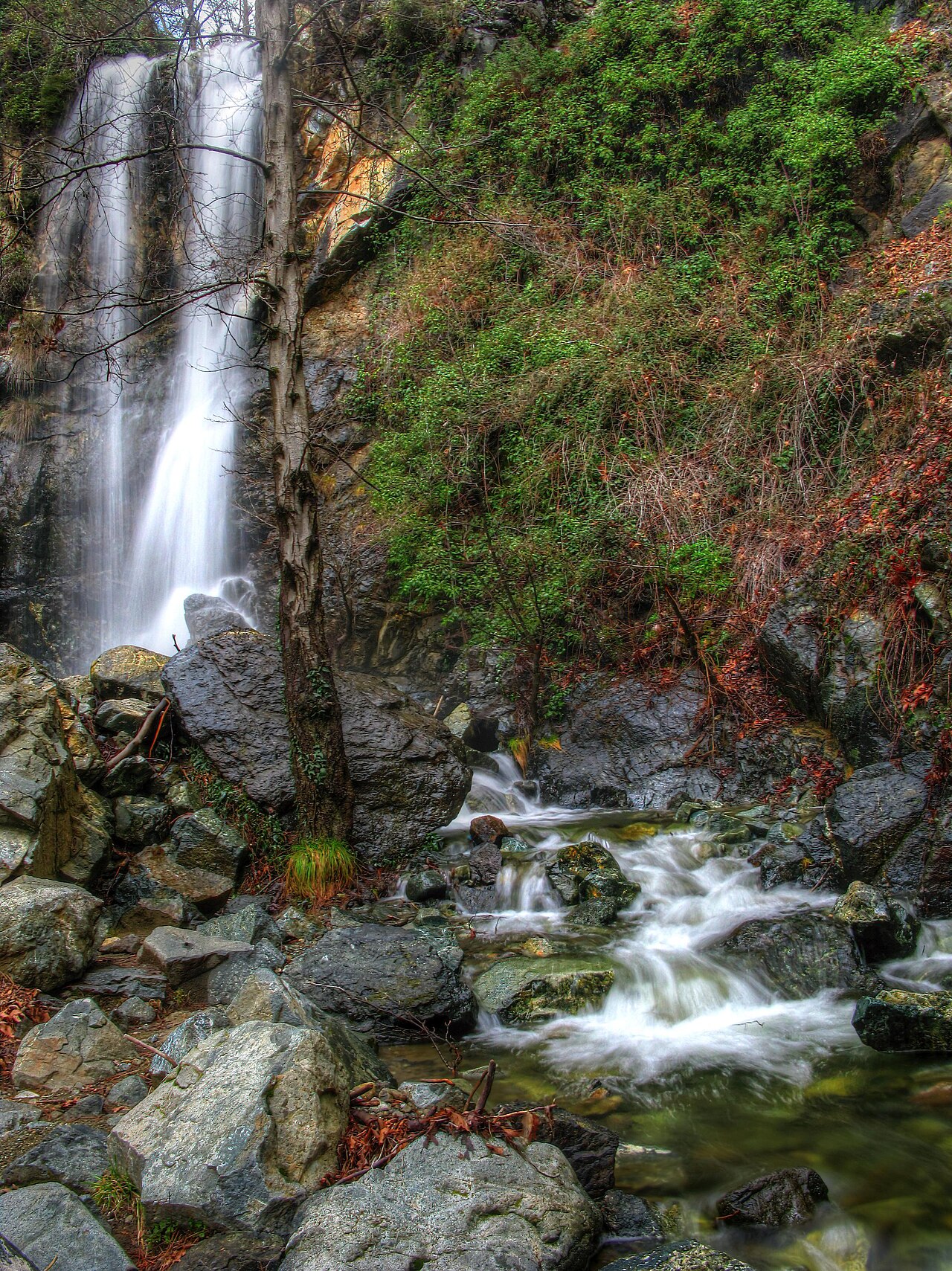
A cool two-hour forest loop tracing the Kryos river through pine and plane trees to a 13-metre waterfall — the island’s best escape from the August heat.
Spring · full flowDirections
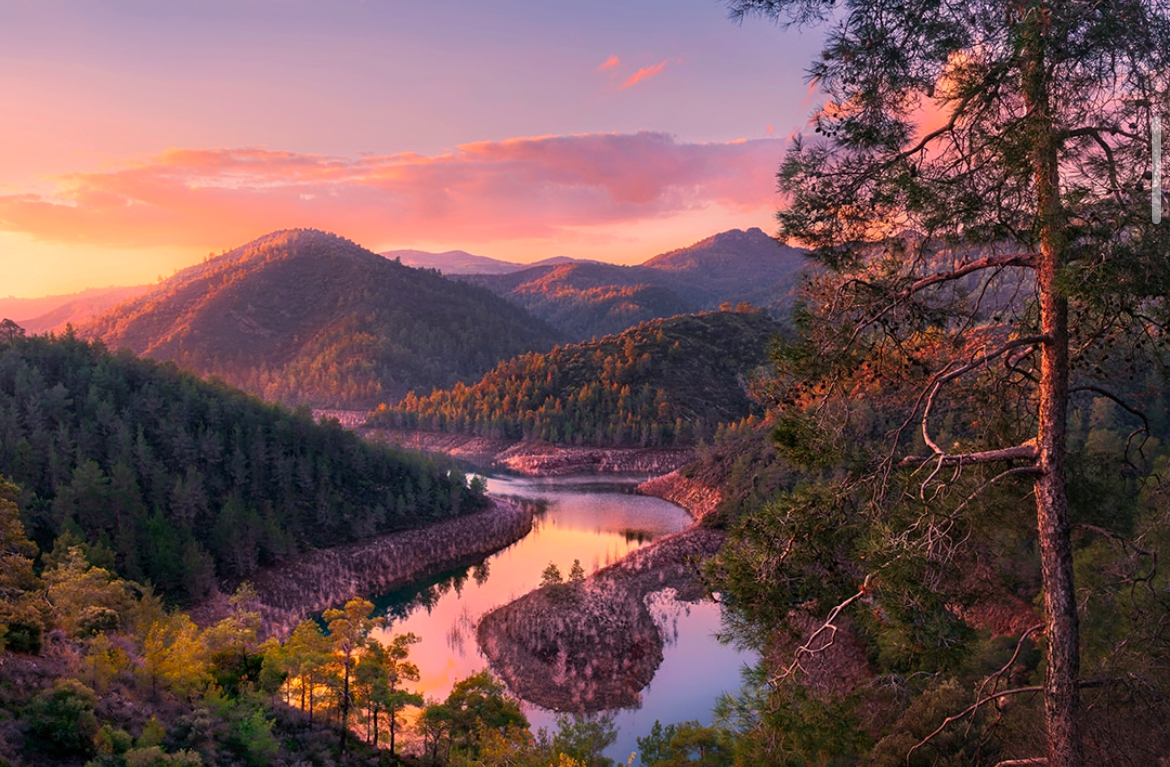
The Troodos range is the island’s other climate: pine forest, mountain streams and stone-built villages a full ten degrees cooler than the coast in August — and under snow in January. This is where the waterfalls run, where the wine villages pour their own commandaria, and where Kykkos, the richest monastery in Cyprus, sits at the end of a ridge road.
Genuinely free — no tickets, no gates. Tap any spot for directions and the best time to go.
A cool two-hour forest loop tracing the Kryos river through pine and plane trees to a 13-metre waterfall — the island’s best escape from the August heat.
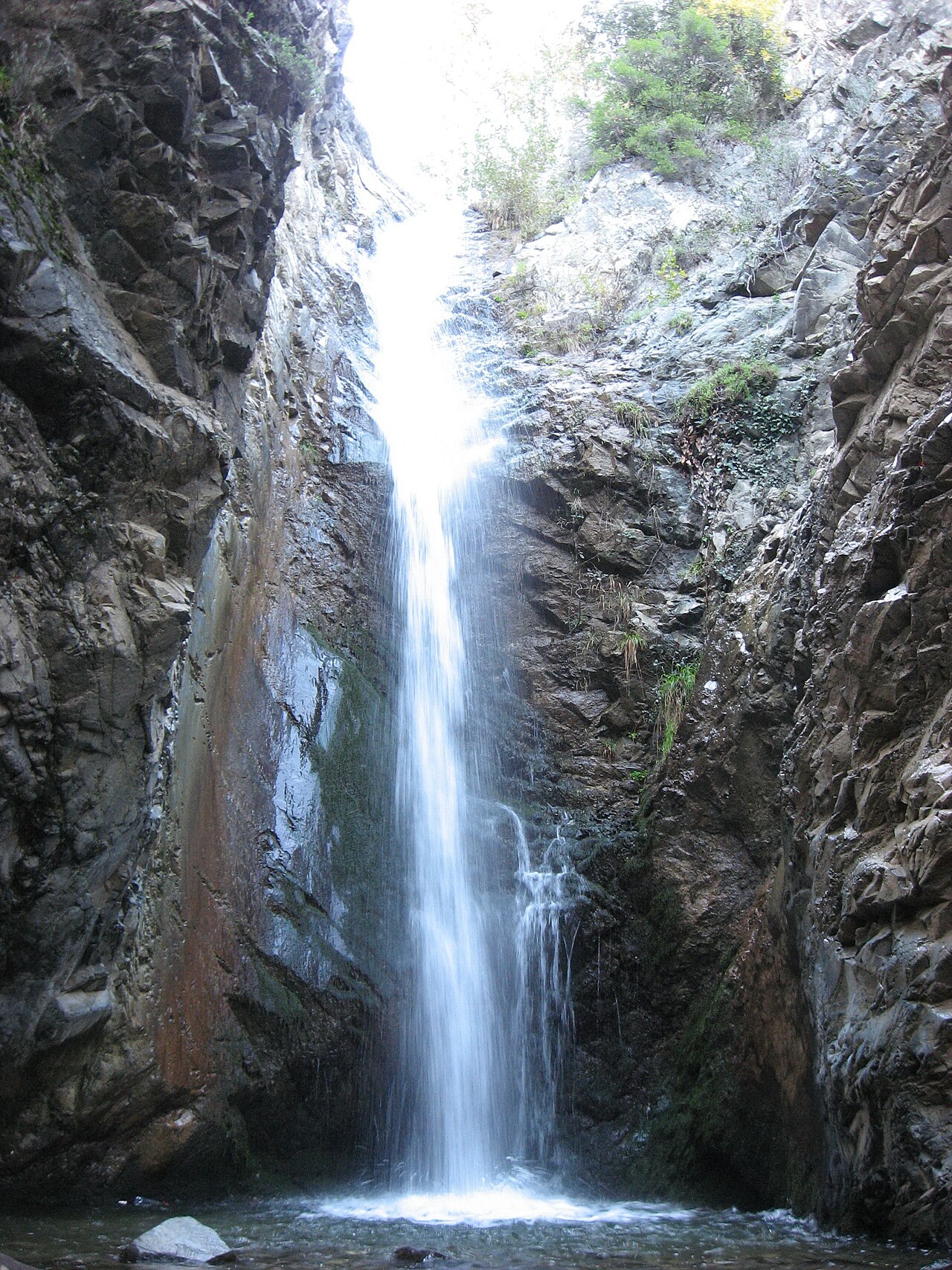
At 15 metres, the tallest natural waterfall in Cyprus, plunging over a black rock face into a mossy plunge pool. A short cobbled path drops to the base.
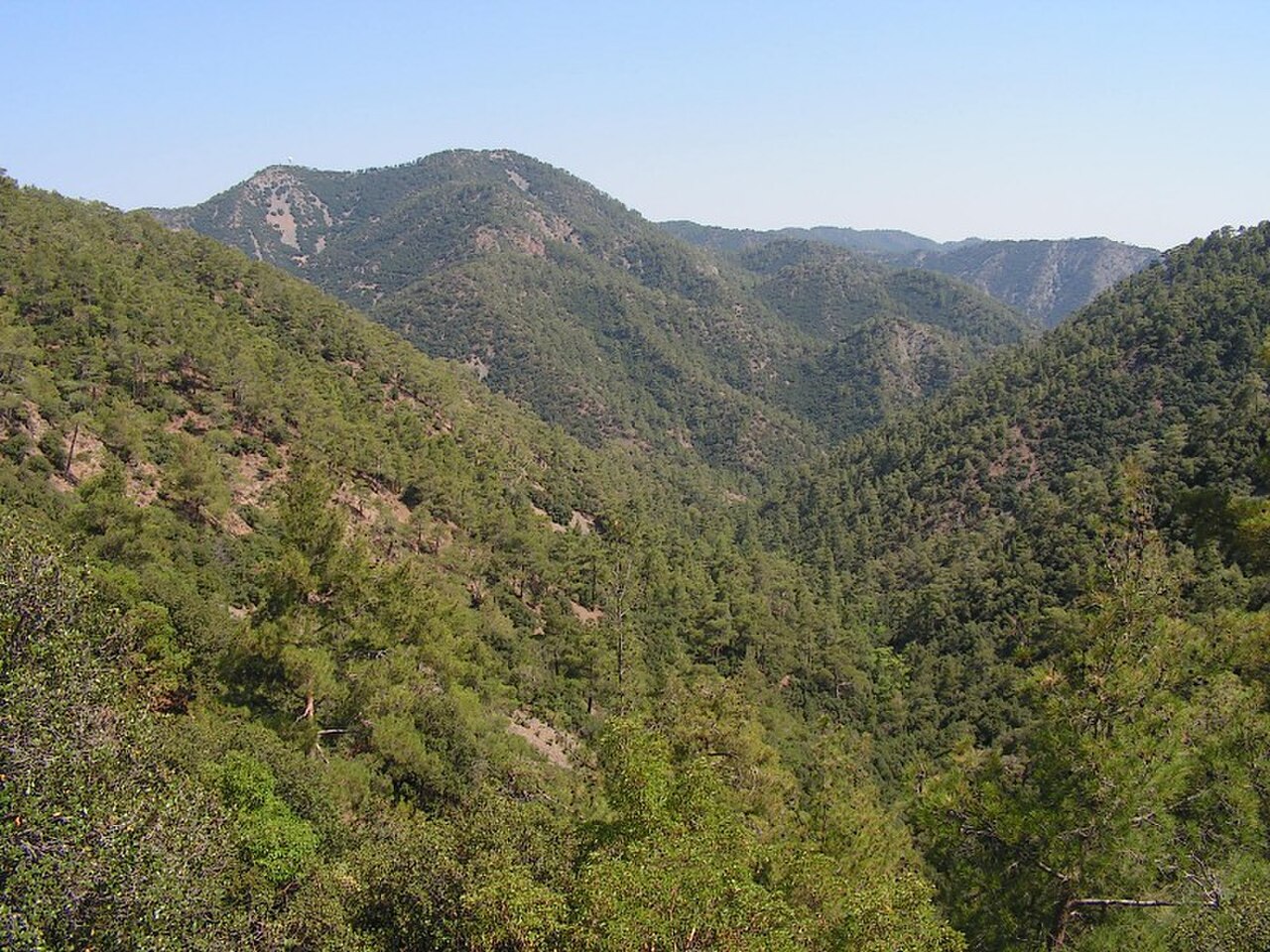
A near-level seven-kilometre loop circling the summit of Mount Olympus through black pine and juniper, with both coasts visible on a clear day. Snow-dusted in winter.
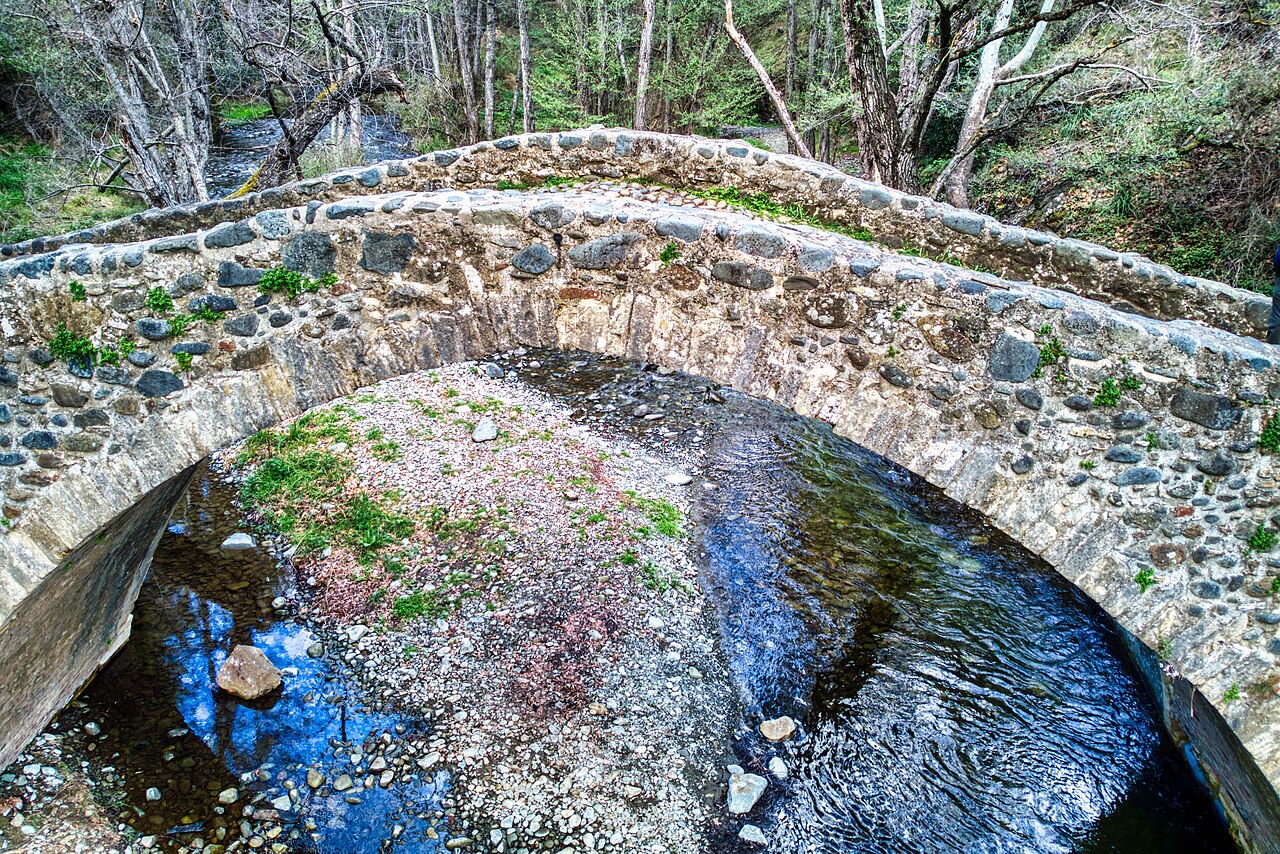
A graceful single-arch medieval packhorse bridge on the old camel route through the cedar forest, spanning the Diarizos river in perfect stone silence.
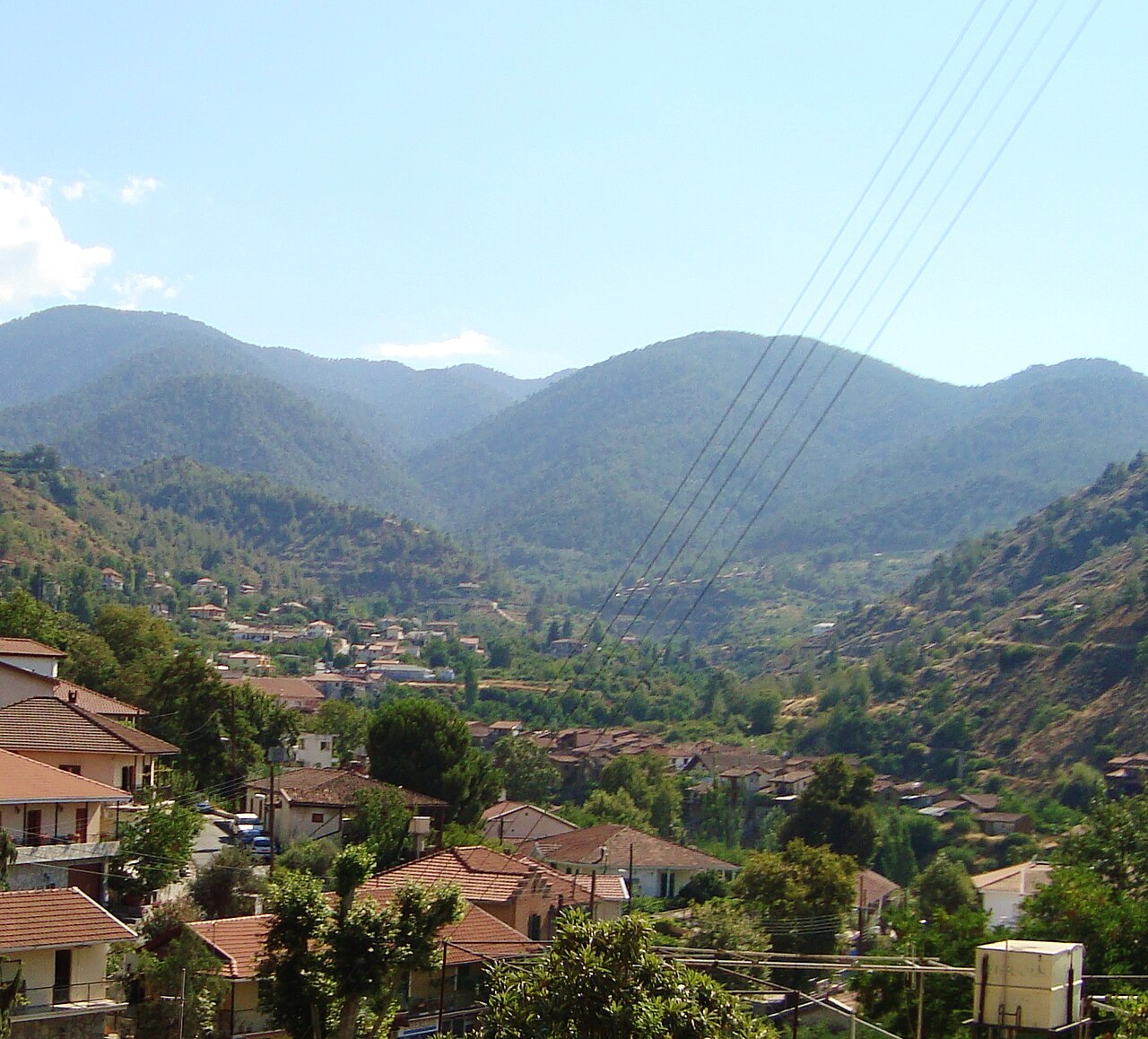
A preserved mountain village of timber-balconied stone houses tumbling along a rushing stream, with a UNESCO-listed barn-roof church a short walk uphill.
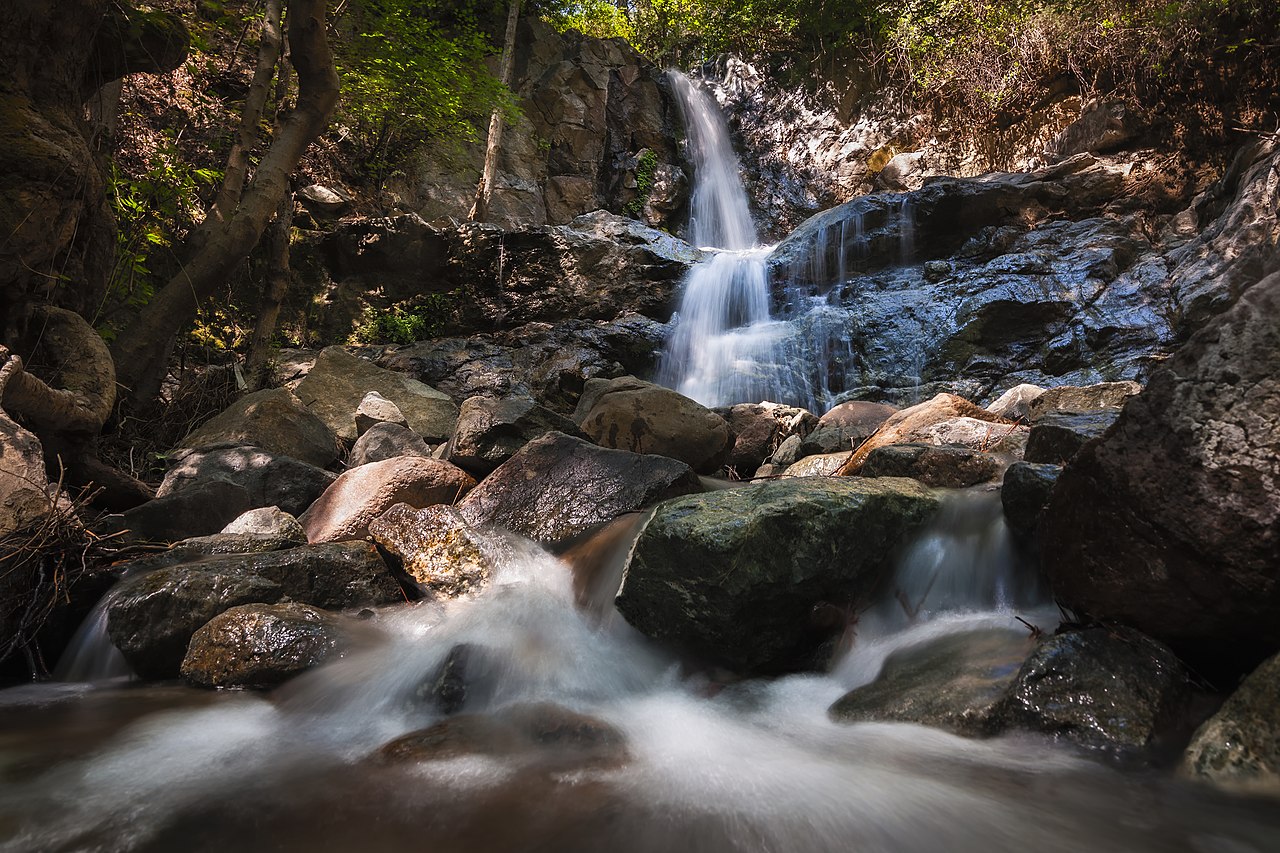
A hidden cascade tucked in a steep, mossy ravine below a working monastery — a short shaded path leads to the falls and a cold plunge pool deep in the forest.
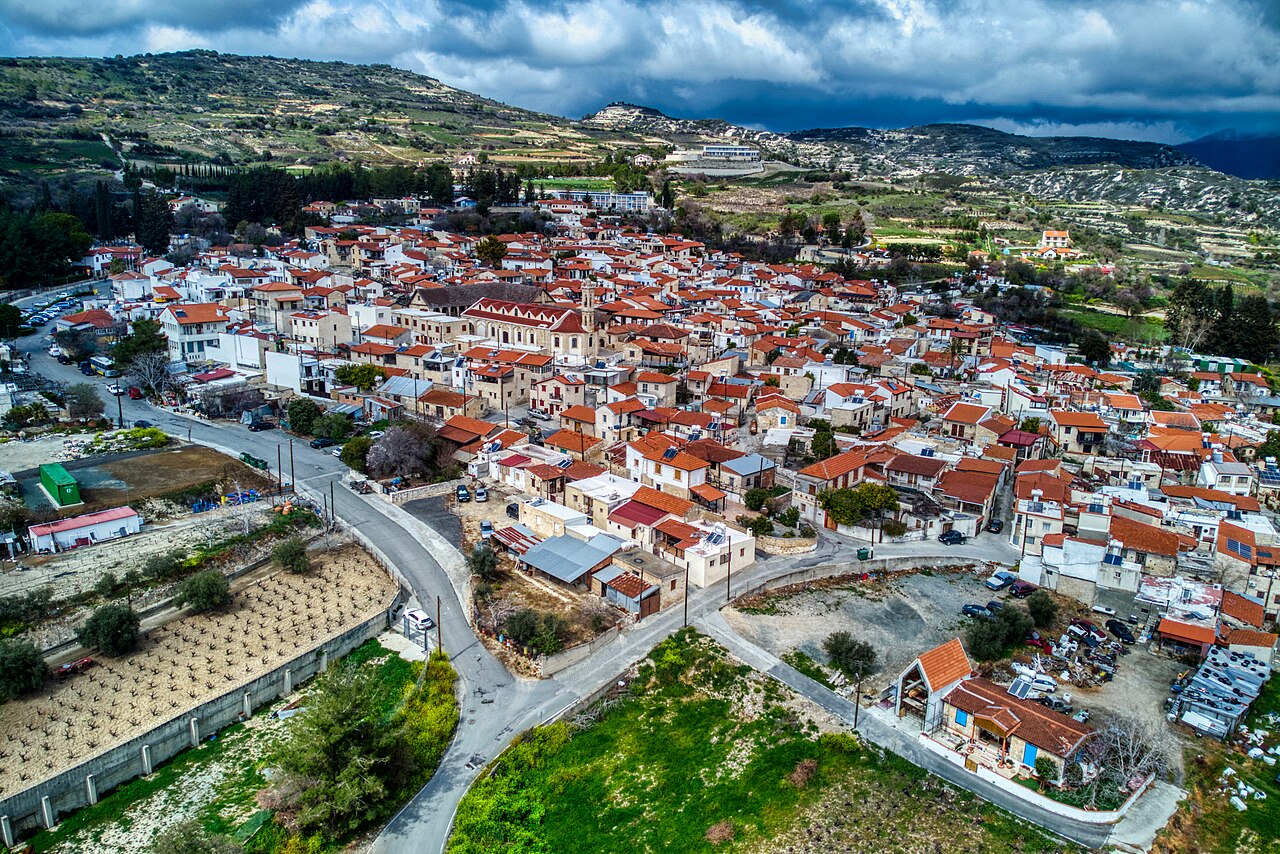
A cobbled wine village built around the Monastery of the Holy Cross, ringed by vineyards and lined with cellars pouring indigenous Commandaria and Zivania.
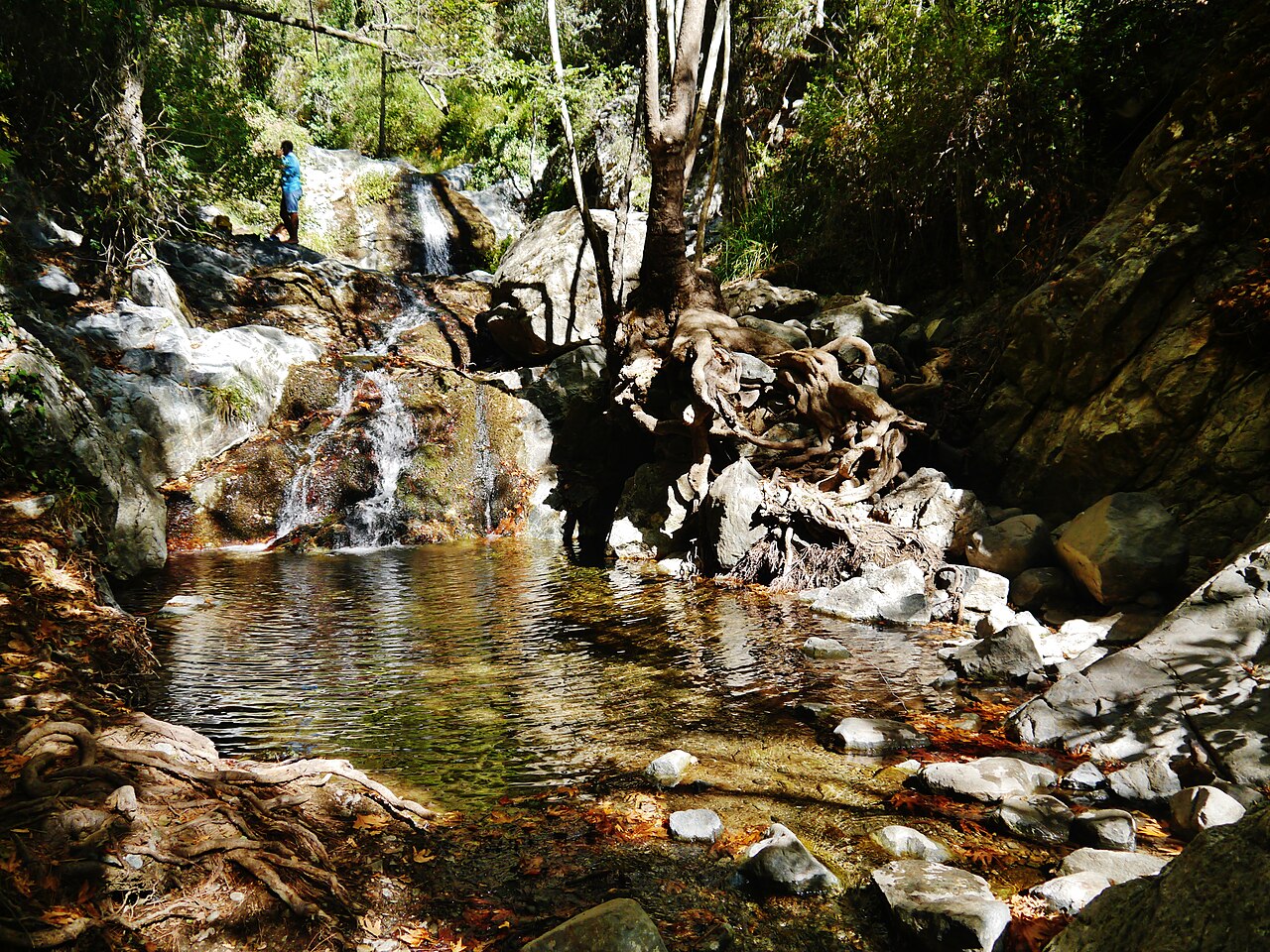
A graceful twin-drop fall on the Kryos river, reached by a short forest path past plane trees — quieter than nearby Caledonia and beautiful when the river runs full.
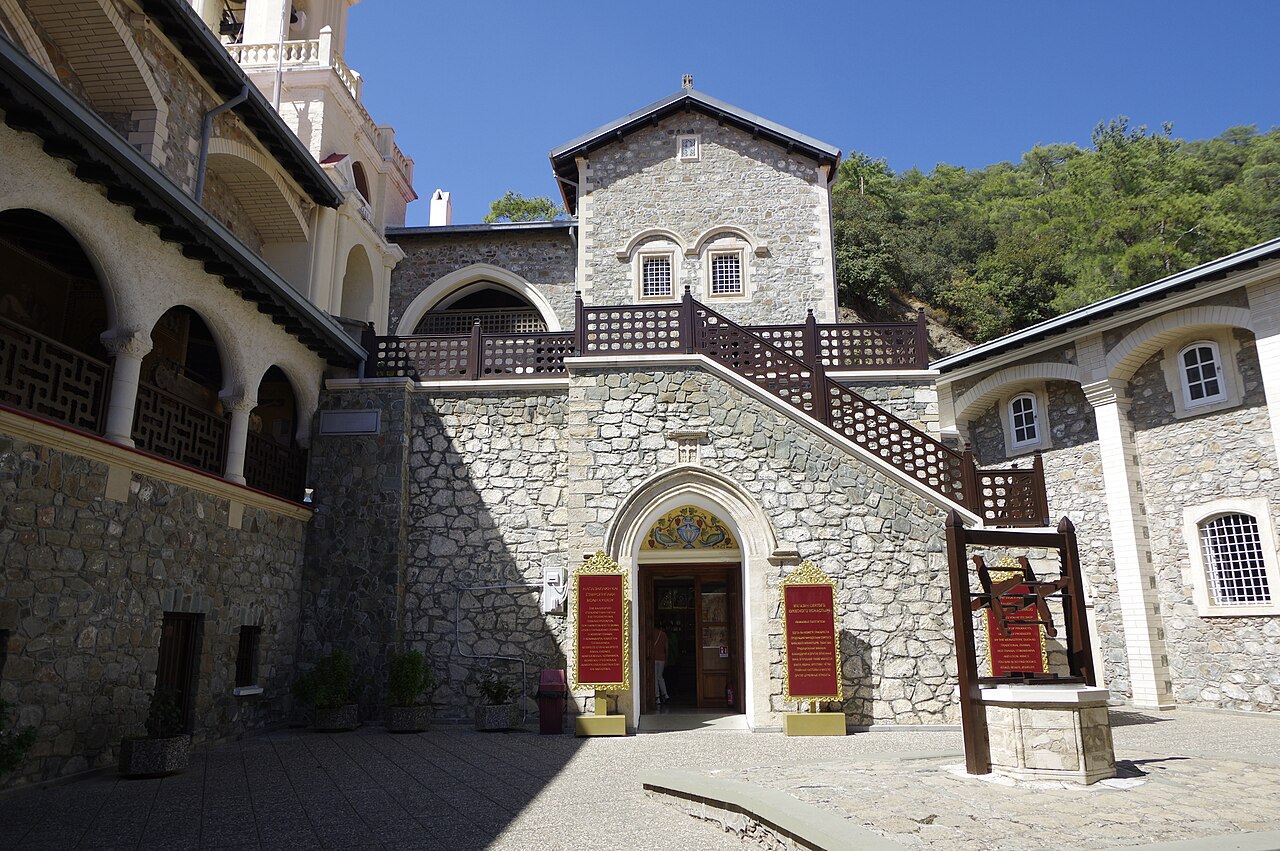
The wealthiest and most famous monastery in Cyprus, glittering with gold mosaics and frescoed corridors high in the Marathasa hills. Entry to the monastery itself is free, though the small museum charges a fee and coaches arrive in numbers by late morning. Dress modestly — wraps are provided at the door.
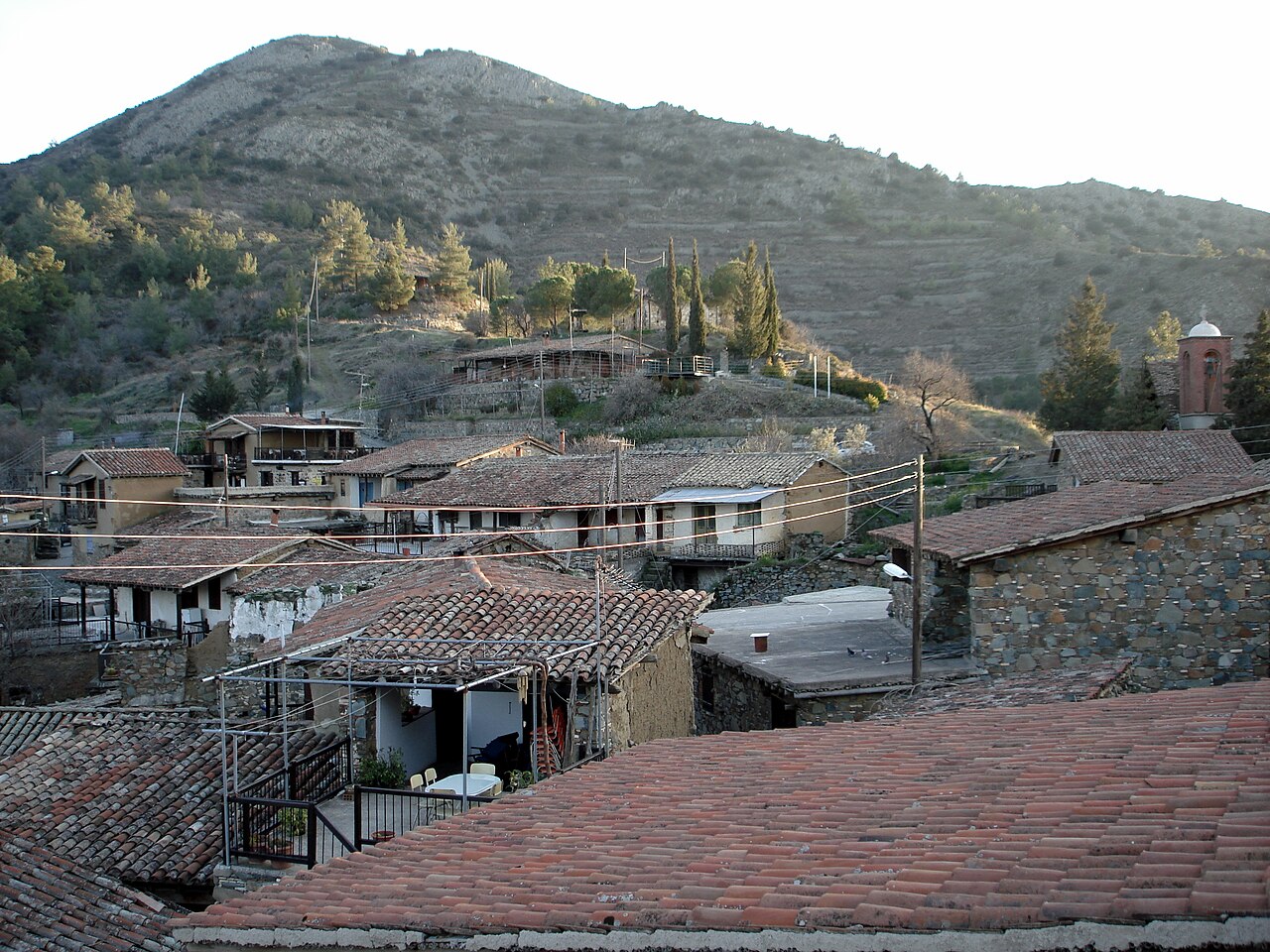
A protected, near-deserted medieval village where stone-and-timber houses have barely changed since the 18th century — the whole place is a listed ancient monument. Wandering the cobbled lanes is free and wonderfully quiet; just note there is only a taverna or two, and the small rural museum charges a modest fee.
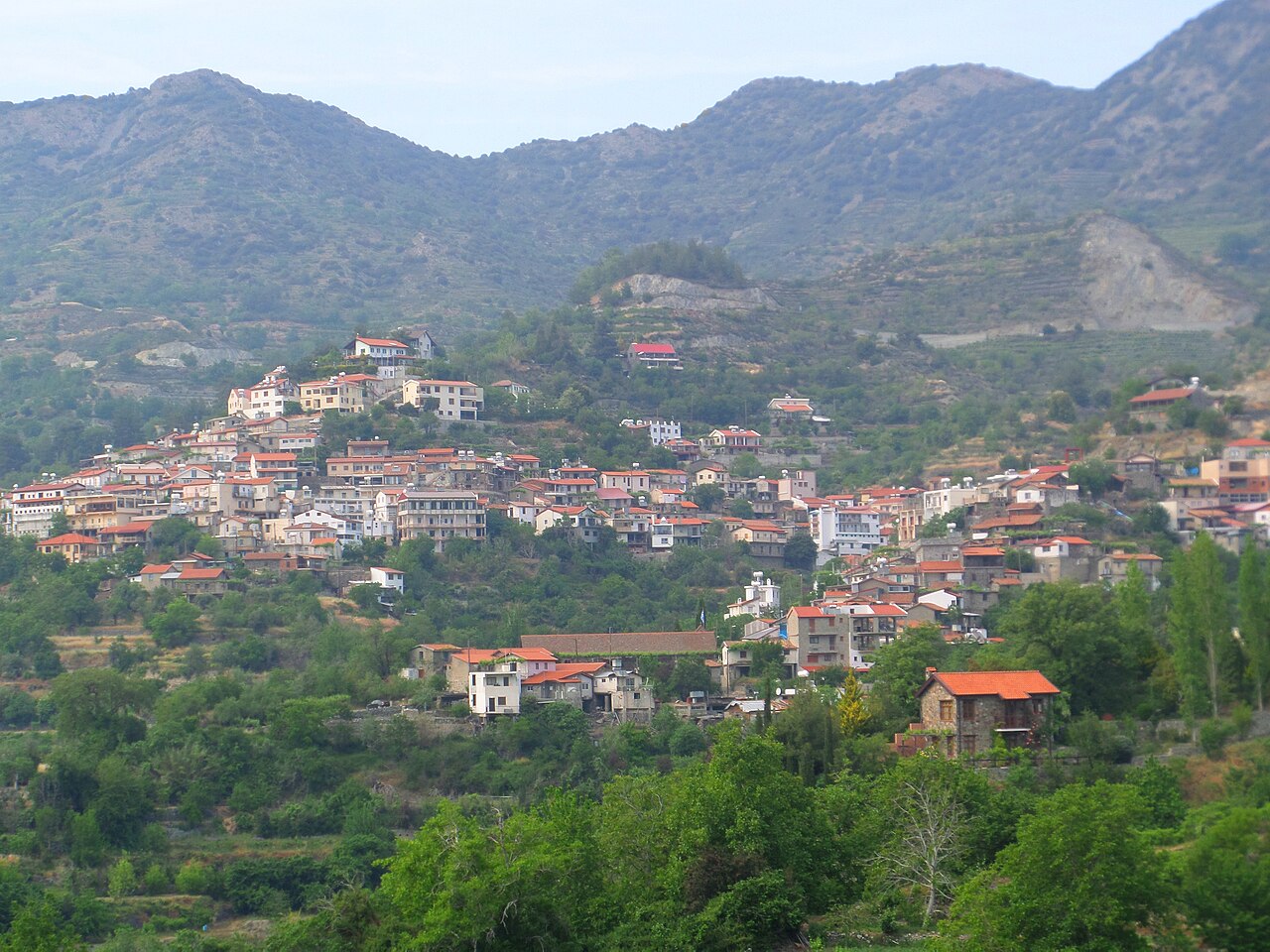
The rose village of the Pitsilia hills, famous for its Damascena rose products, cured meats and mountain honey. Strolling the village and surrounding rose fields costs nothing — May is when the roses bloom and the village smells of it. Outside spring it is sleepier, but the traditional shops and cool air still reward the winding drive up.
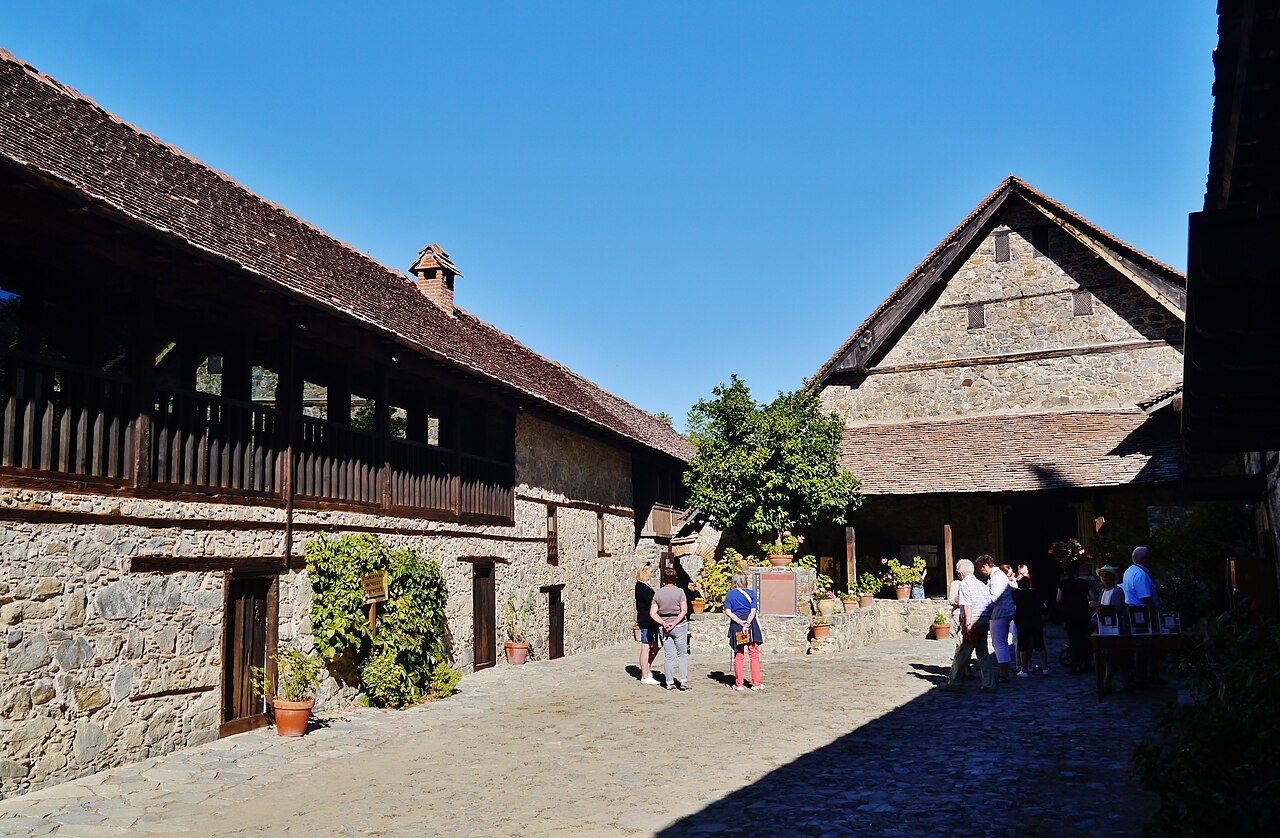
A beautifully restored spa village stacked down the Setrachos valley, linked by lanes, footbridges and a free cable lift to the UNESCO-listed Agios Ioannis Lampadistis monastery with its remarkable frescoes. Entry to the monastery is free. The village is steep, so expect a proper leg workout between the upper road and the river.
Only the genuine local favourites — sorted by rating.
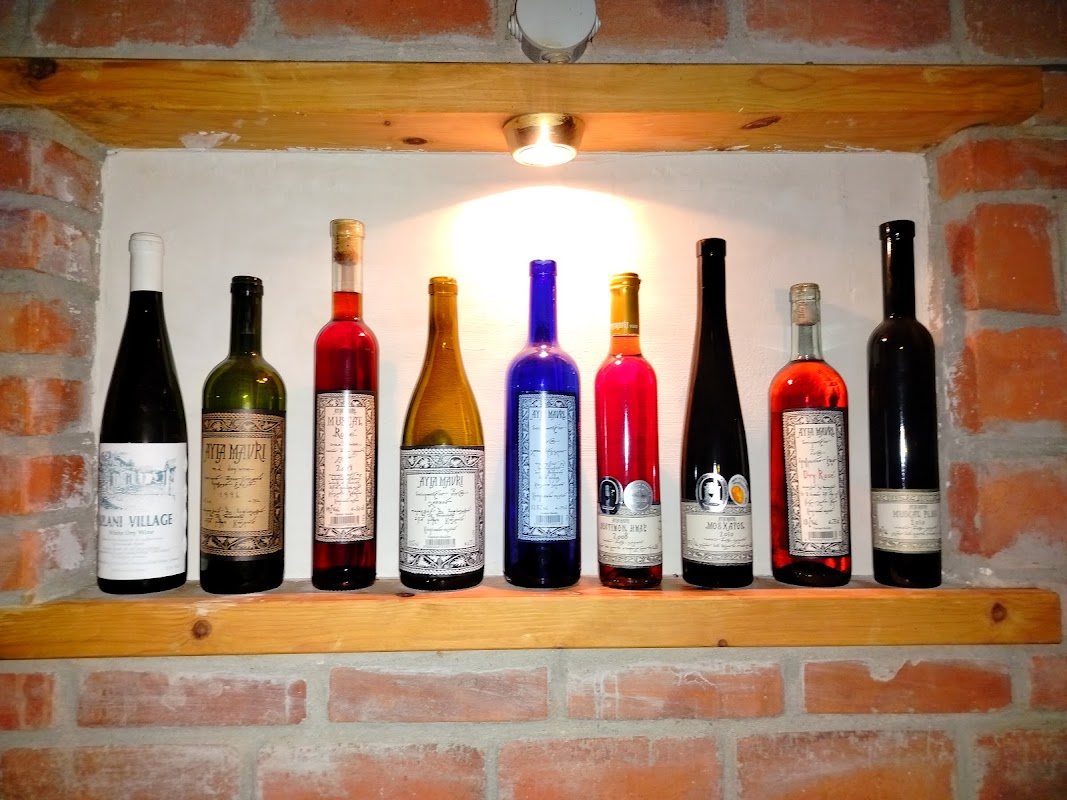
A boutique family winery in Koilani, one of the Limassol wine villages at about 900 m, known for its sweet Muscat and Commandaria. Tastings Tuesday to Sunday.
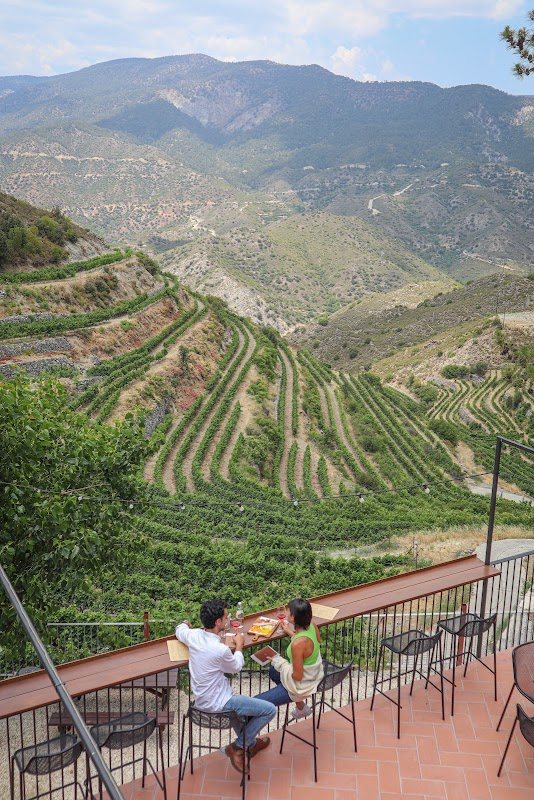
A family winery in Pelendri with some of Europe’s highest vineyards, up to about 1,440 m. Visits are booked online.
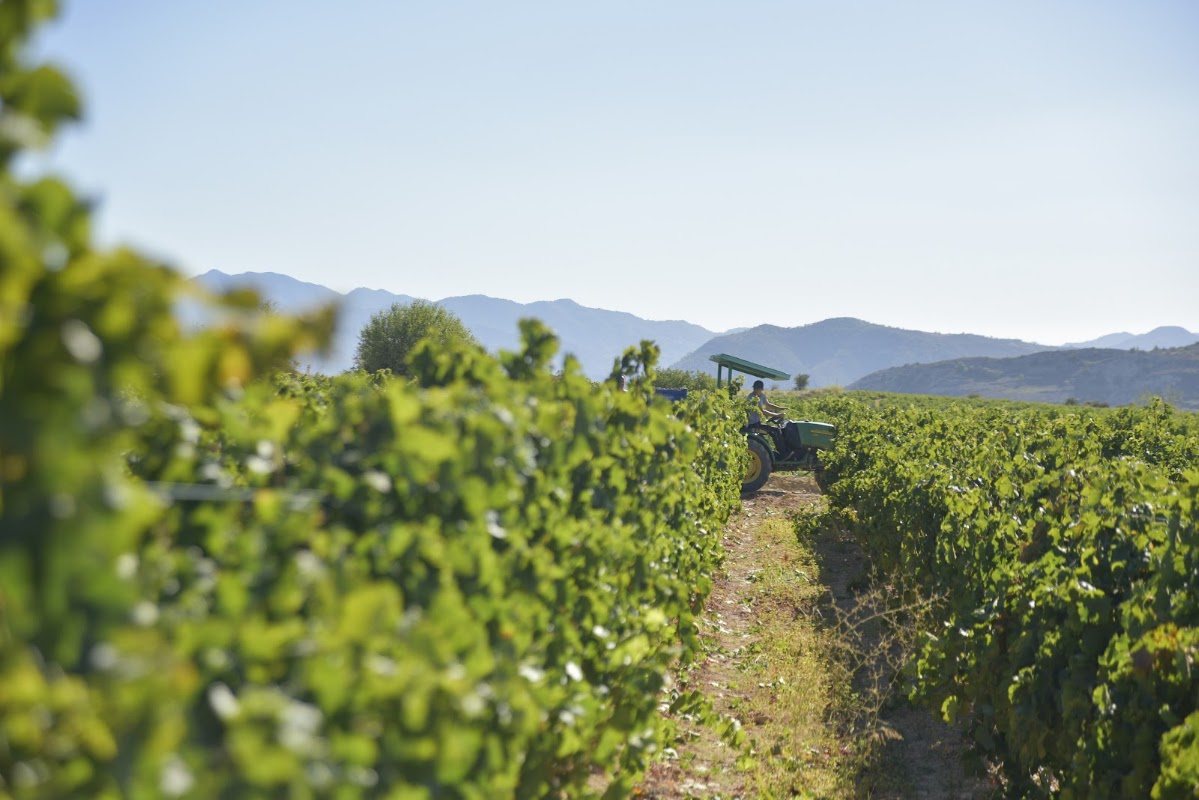
One of the island’s best-known wineries, in a sustainable building completed in 2012 above Koilani, with family vineyards over 100 years old. Tours and tastings by appointment, Monday to Saturday.
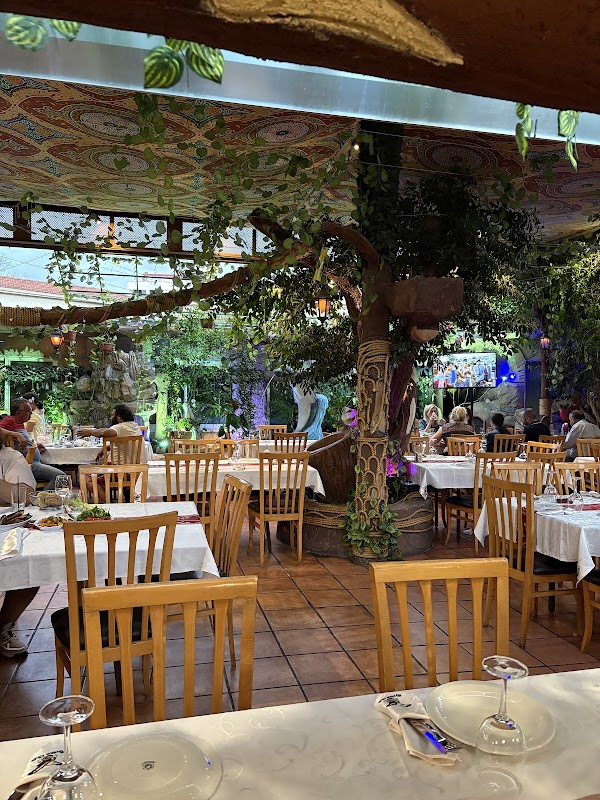
A Nicosia institution for decades, beloved for generous Levantine meze served in a leafy garden that fills with big family tables at weekends. The menu barely changes and that is exactly the point — locals come back for the same hummus, falafel and grilled meats year after year.
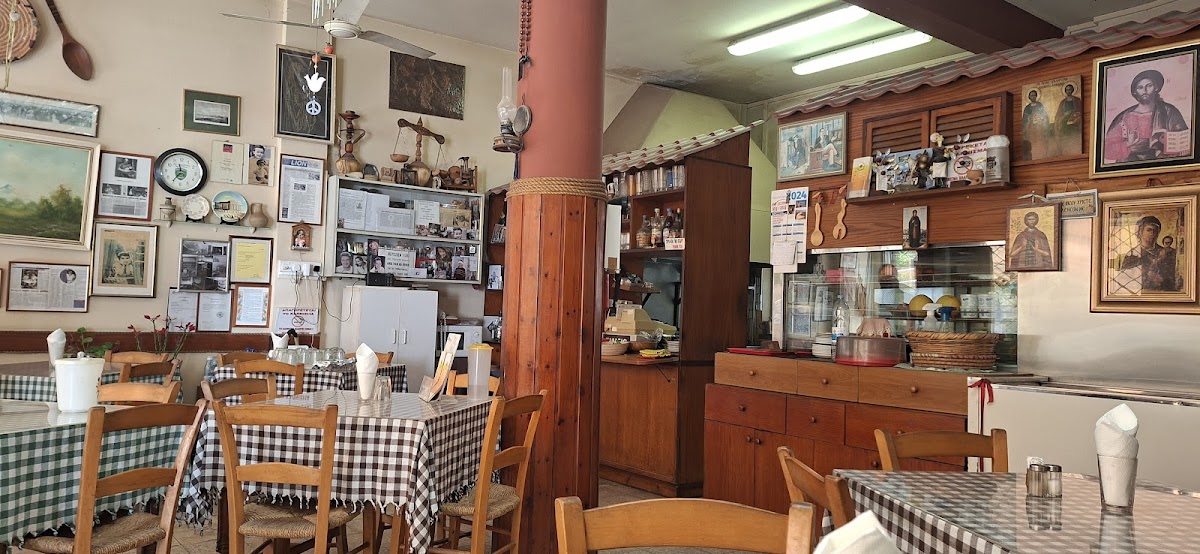
A tiny lunchtime legend tucked beside Phaneromeni church, where office workers and old-timers queue for whatever slow-cooked dishes came out of the kitchen that morning. Choice is limited and it winds down by mid-afternoon, but this is honest Cypriot home cooking at its most authentic.
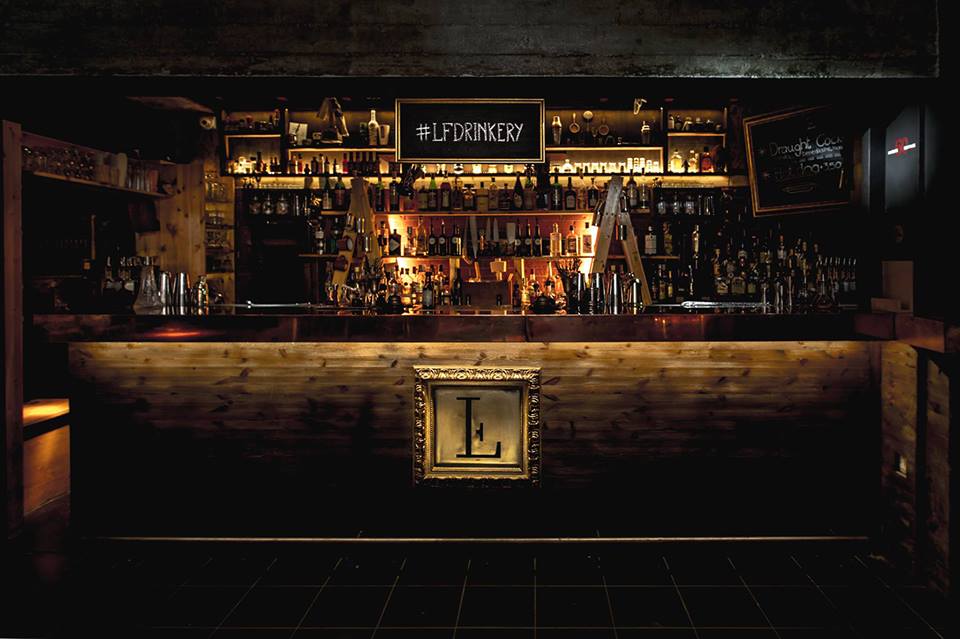
An internationally awarded cocktail bar in the old city with inventive, theatrical drinks.
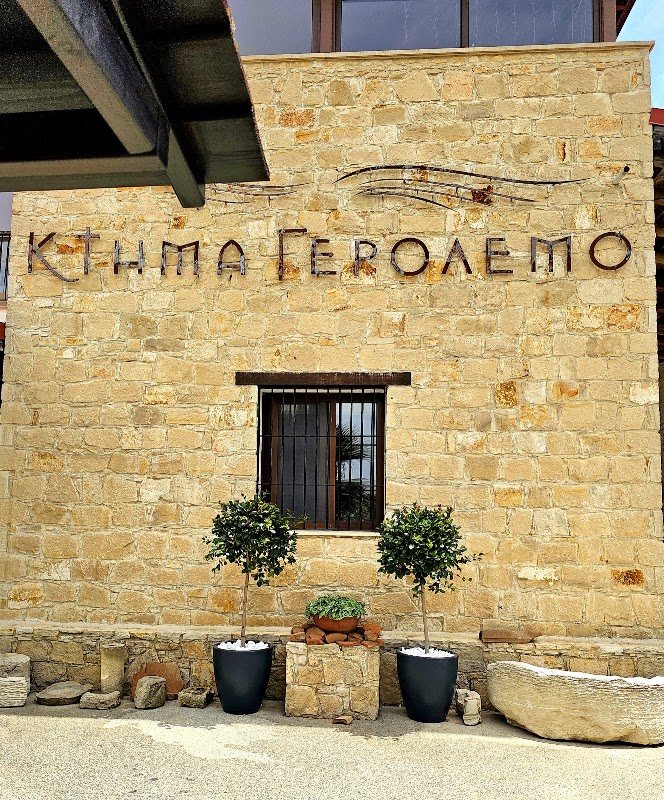
A family estate just outside Omodos that opened in 1987, with a large tasting room, an old wine press and a shop. Guided tasting masterclasses of seven native-grape wines.
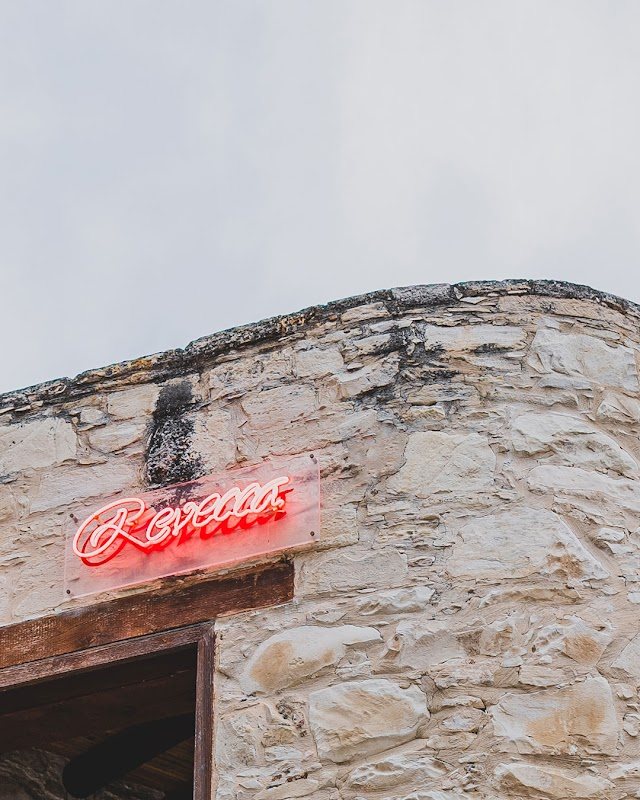
A small winery making nothing but Commandaria, the island’s historic sweet wine, in a restored family home in Agios Mamas that is also a folk museum. Introductory tastings Wednesday to Sunday.
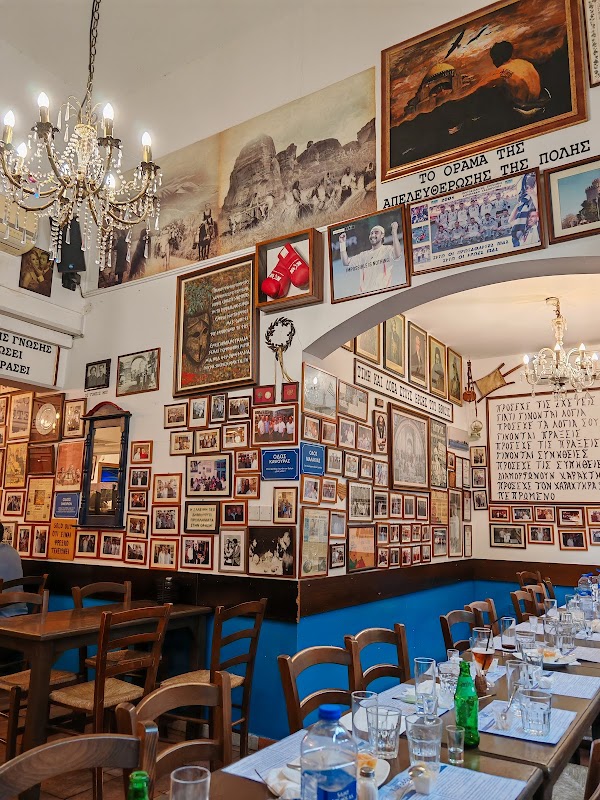
A lively meze house on Ledra Street where live Greek and Cypriot music keeps tables singing late into the evening. It is louder and more boisterous than a village tavern, but the atmosphere on a busy night is one of old Nicosia's great experiences.
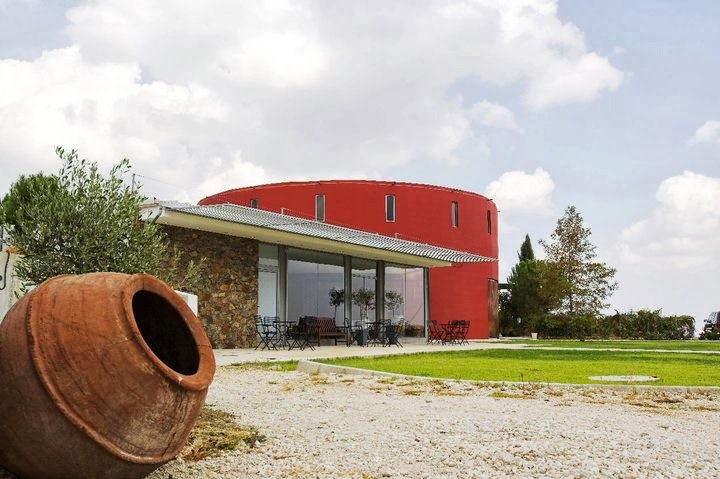
A winery on the slopes of Kalo Chorio Orinis, 28 km from Nicosia, with an underground cellar and a tasting hall looking over the Pitsilia mountains. Open for visits and tastings all year.
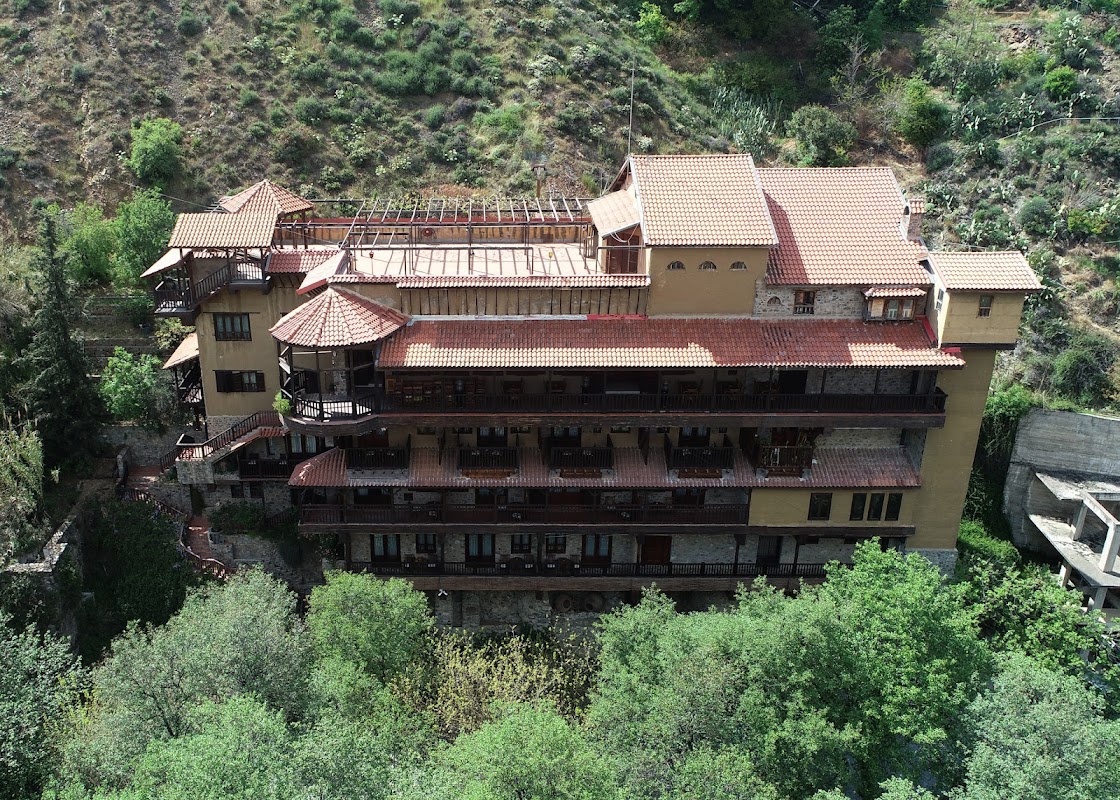
The restaurant of The Mill Hotel, beside the stream in Kakopetria with views of the mountains; diners on Google single out its fresh trout. Its Google rating covers the hotel and restaurant together.
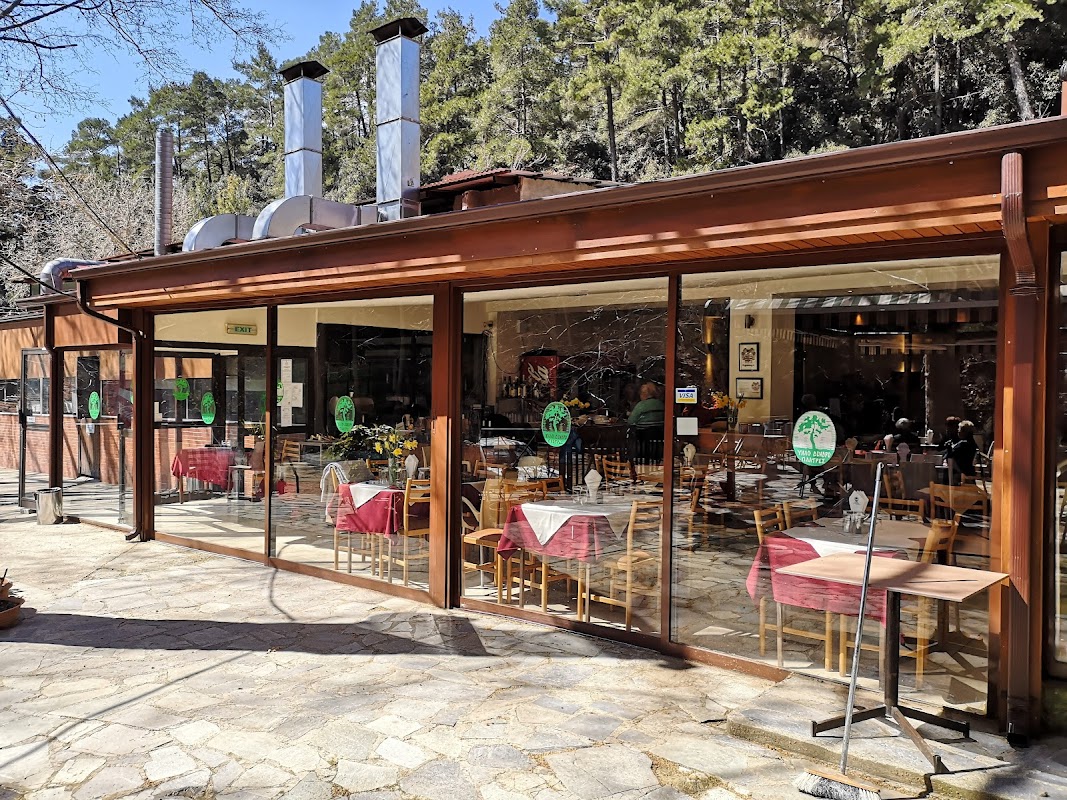
A Platres institution at the foot of the Caledonia waterfall trail, serving trout raised in its own farm to generations of hikers and Sunday drivers. The menu beyond the fish is simple and the room fills fast after midday, but few Troodos meals feel this rooted in place.
Billed as the toughest race in Cyprus, OlympusMan starts at sea level in Paphos with a 1.9 km sea swim, climbs more than 2,400 m on an 84 km bike leg, then ends with an off-road half-marathon climb to the 1,952 m summit of Mount Olympus. Racers pay to enter; cheering them on is free.
A two-day festival in Pelendri tying zivania to the grape harvest and the village’s distilling tradition, with traditional music and dancing, local dishes and products. The village’s Byzantine churches, among them the painted church of the Holy Cross, make the drive up worthwhile.
Each winter the Deputy Ministry of Tourism dresses villages for Christmas — for 2026 Lefkara, Kyperounta, Agros, Fikardou, Statos-Agios Fotios, Kakopetria and Kalopanagiotis — with lights, cultural events, stalls of local products and crafts, cooking and craft workshops, guided village walks and holiday menus in the tavernas. Free to wander, and at its most atmospheric in the mountain villages on a cold evening.
A mountain running race around Kambos, a remote village in the forests of north-west Troodos, organised by the Kambos and Tsakkistra development association with the community council. The race starts at 8am; entry from €18.
Wild peninsula, sea caves and turtle beaches.
Things to do South CyprusChalk cliffs, long bays and quiet coves.
Things to do East CyprusCape Greco caves and impossibly clear water.
Things to do East CyprusSalt-lake flamingos and lace-making hills.
Things to do