
Swim
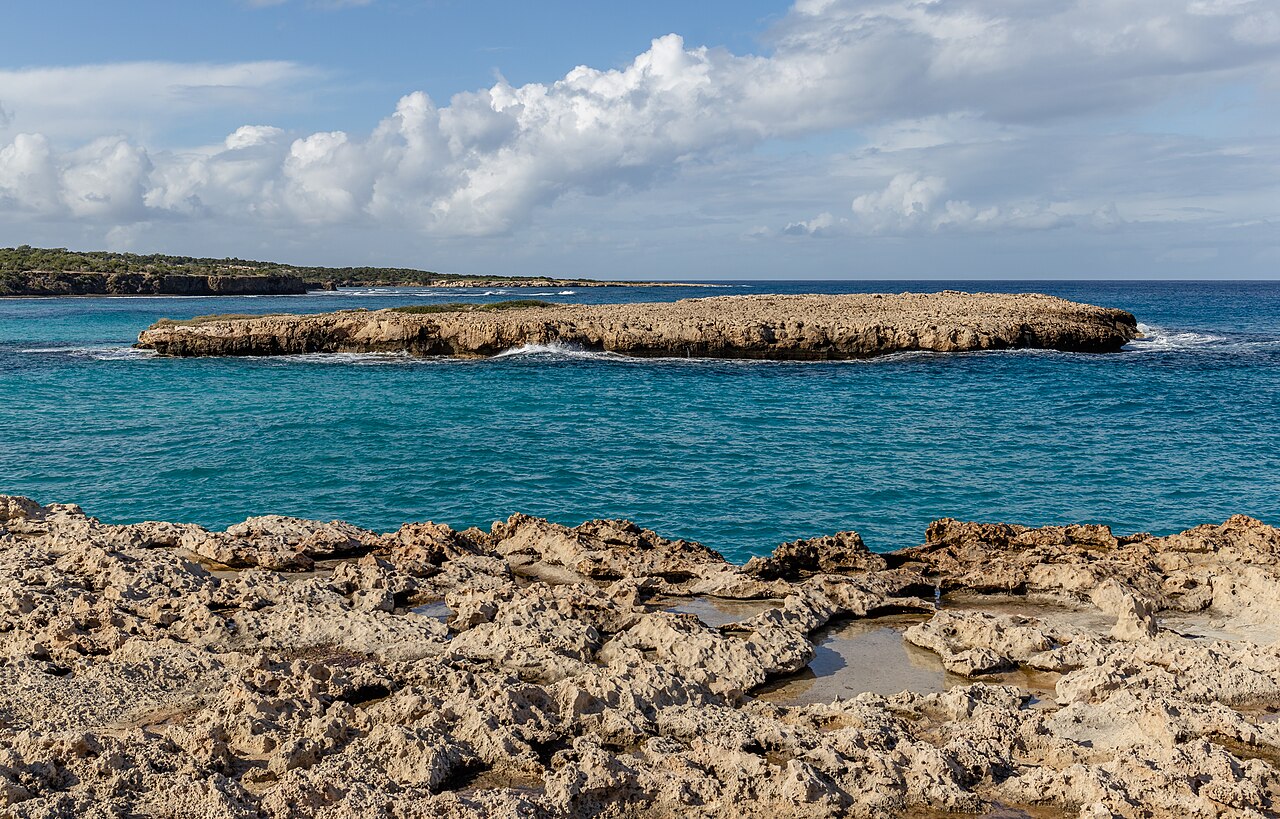
Blue Lagoon
A sheltered cove of electric-turquoise water at the tip of the Akamas. Reach it by boat from Latchi, a rugged 4×4 track, or a two-hour coastal hike — then swim straight off the rocks.
Jun–Sep · midday lightDirections
Every attraction here is genuinely free to visit — no entry fee, no catch. Curated by region, with the best season and one-tap directions for each.
Wild peninsula, sea caves and turtle beaches.
A sheltered cove of electric-turquoise water at the tip of the Akamas. Reach it by boat from Latchi, a rugged 4×4 track, or a two-hour coastal hike — then swim straight off the rocks.
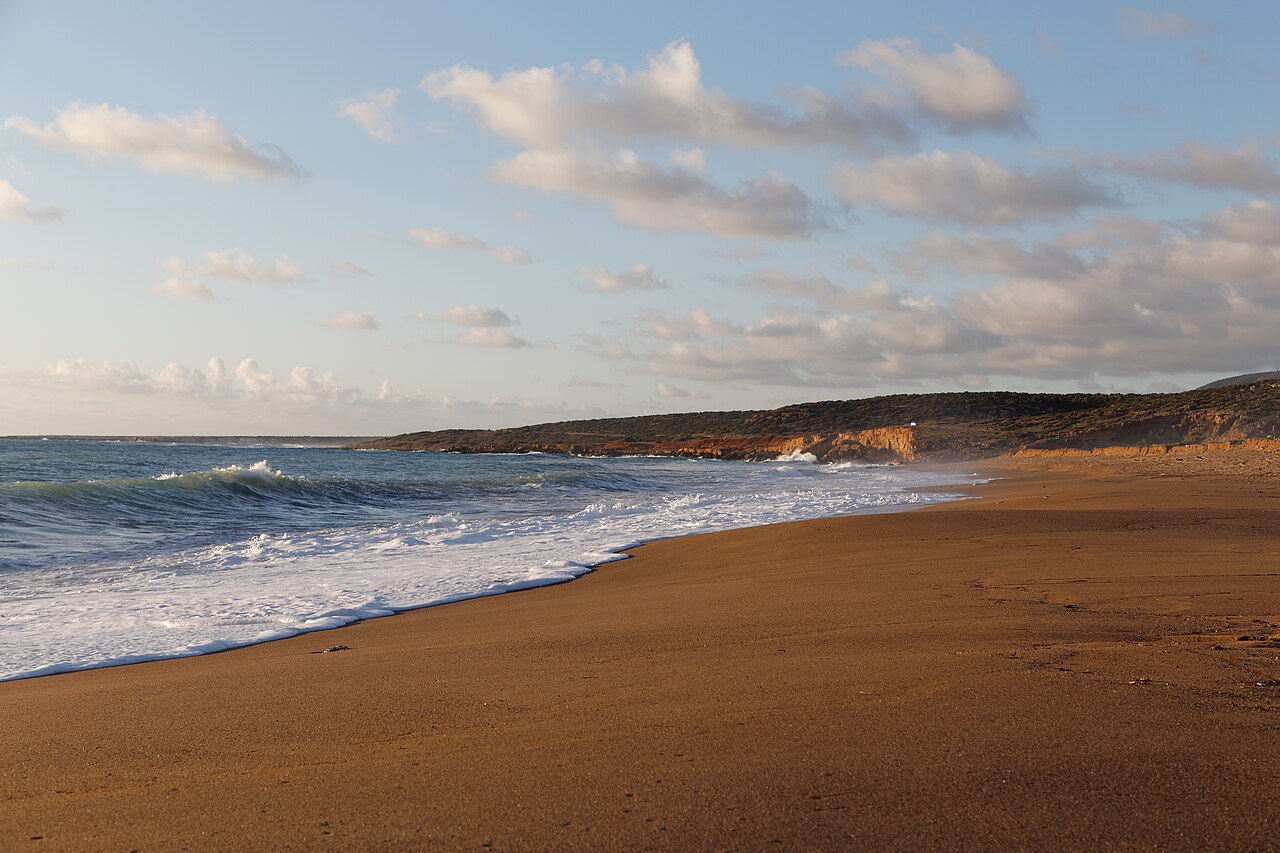
A wide crescent of untouched golden sand and a protected loggerhead & green-turtle nesting site. No facilities, no umbrellas — just dunes, sea and the conservation hatchery.
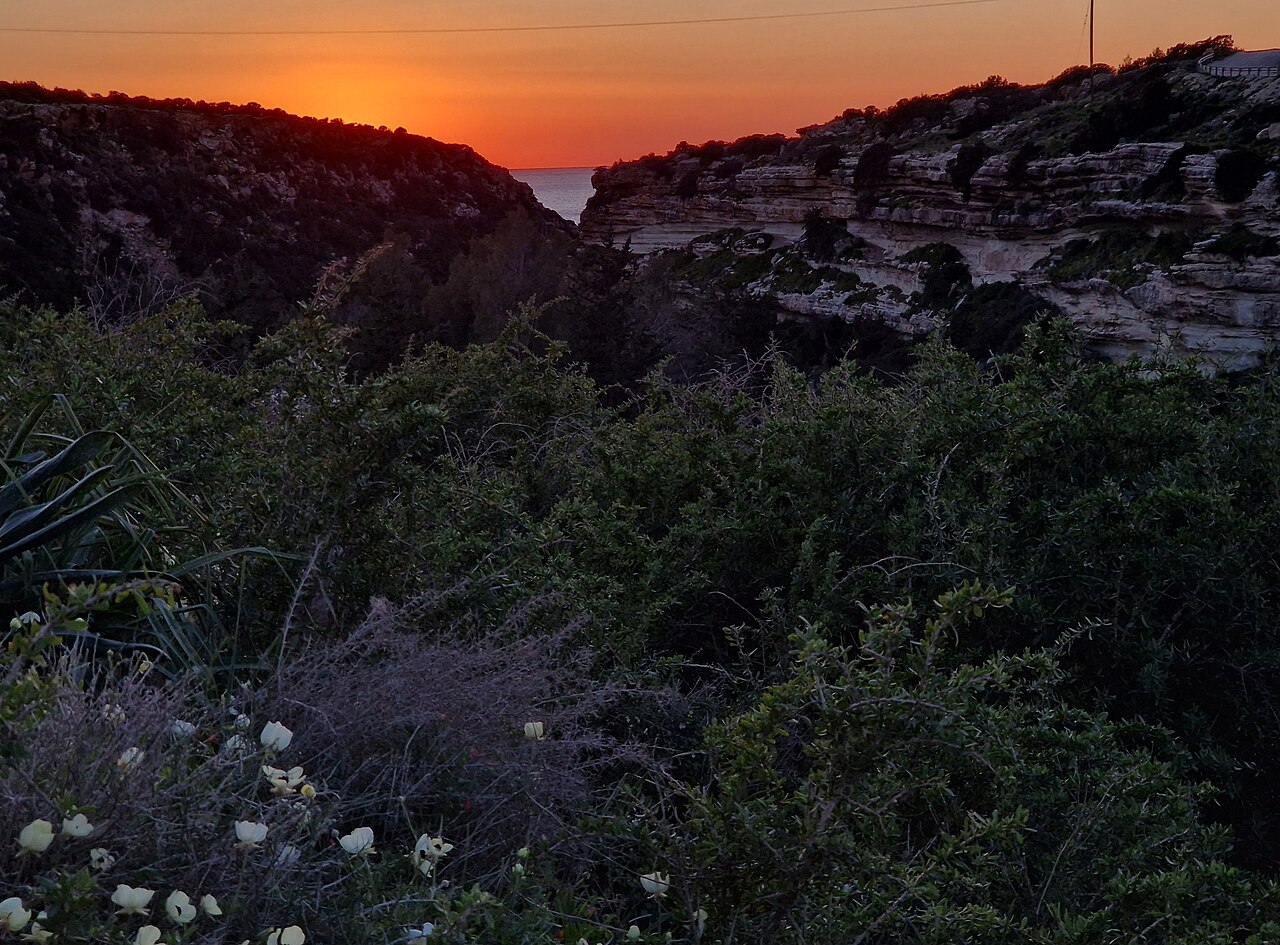
A dramatic slot canyon where 30-metre limestone walls close to arm’s width overhead. Follow the stream bed past a famous wedged boulder; mouflon and griffon vultures live above.
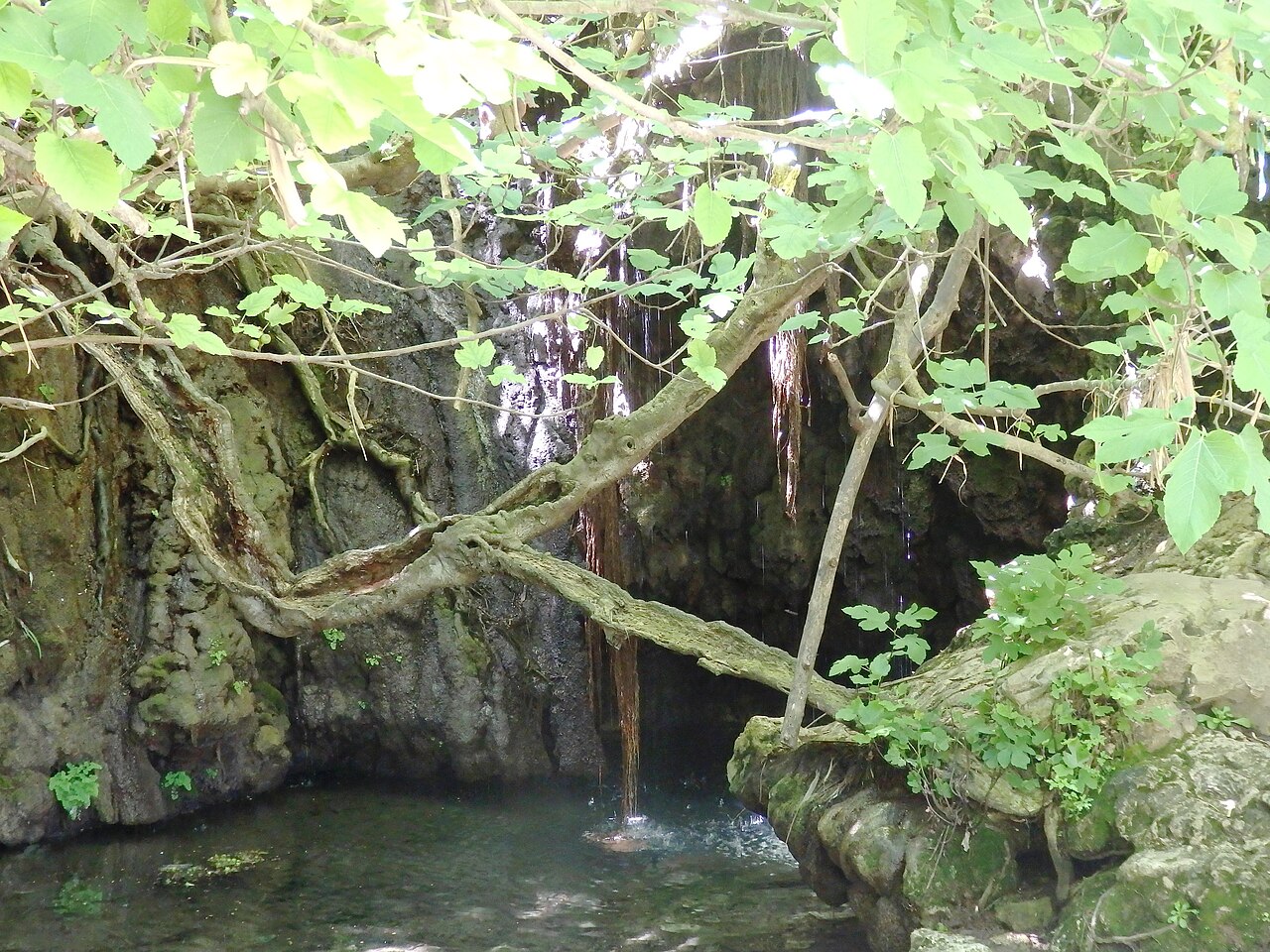
A fern-shaded natural grotto and pool where myth says the goddess bathed. The trailhead opens onto the Aphrodite & Adonis coastal nature trails with sweeping bay views.
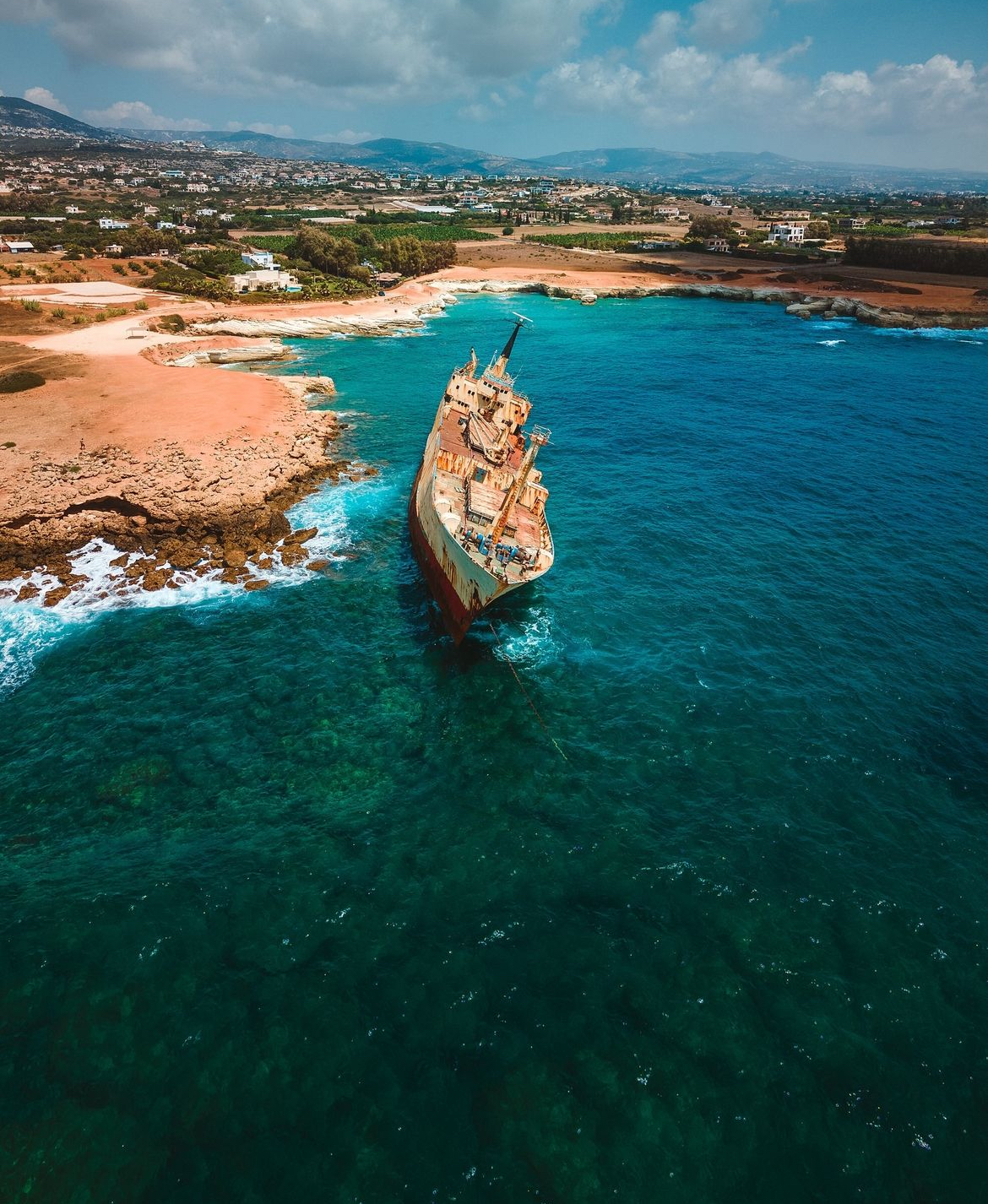
A rusting cargo ship run aground beneath white cliffs, dramatic at sunset. Minutes away, the Peyia sea caves cut into the rock — locals leap from the ledges into deep blue water.
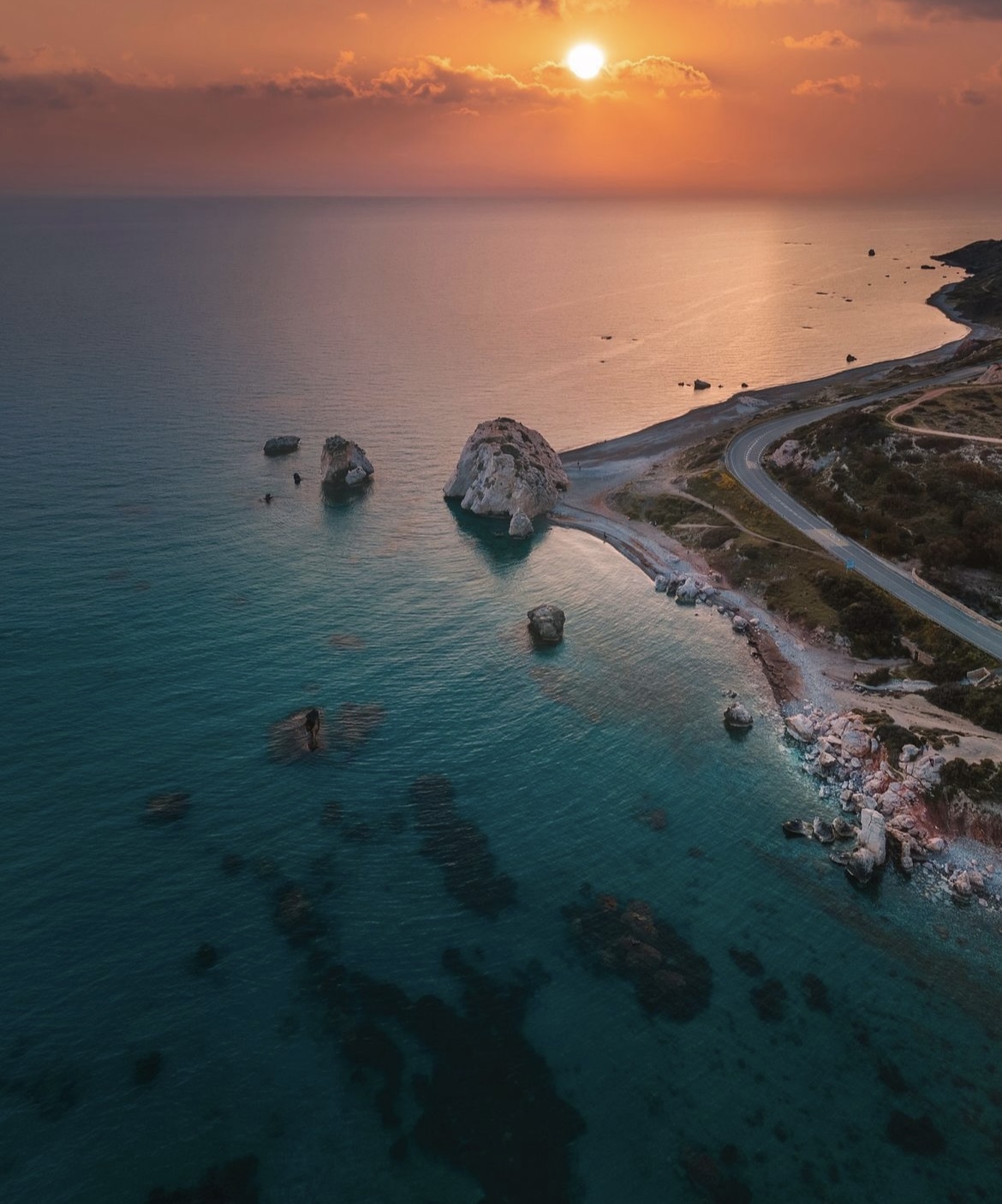
The mythical birthplace of Aphrodite, where sea stacks rise from a pebble beach. Swim a loop around the rock at dusk, when the whole bay turns molten gold.
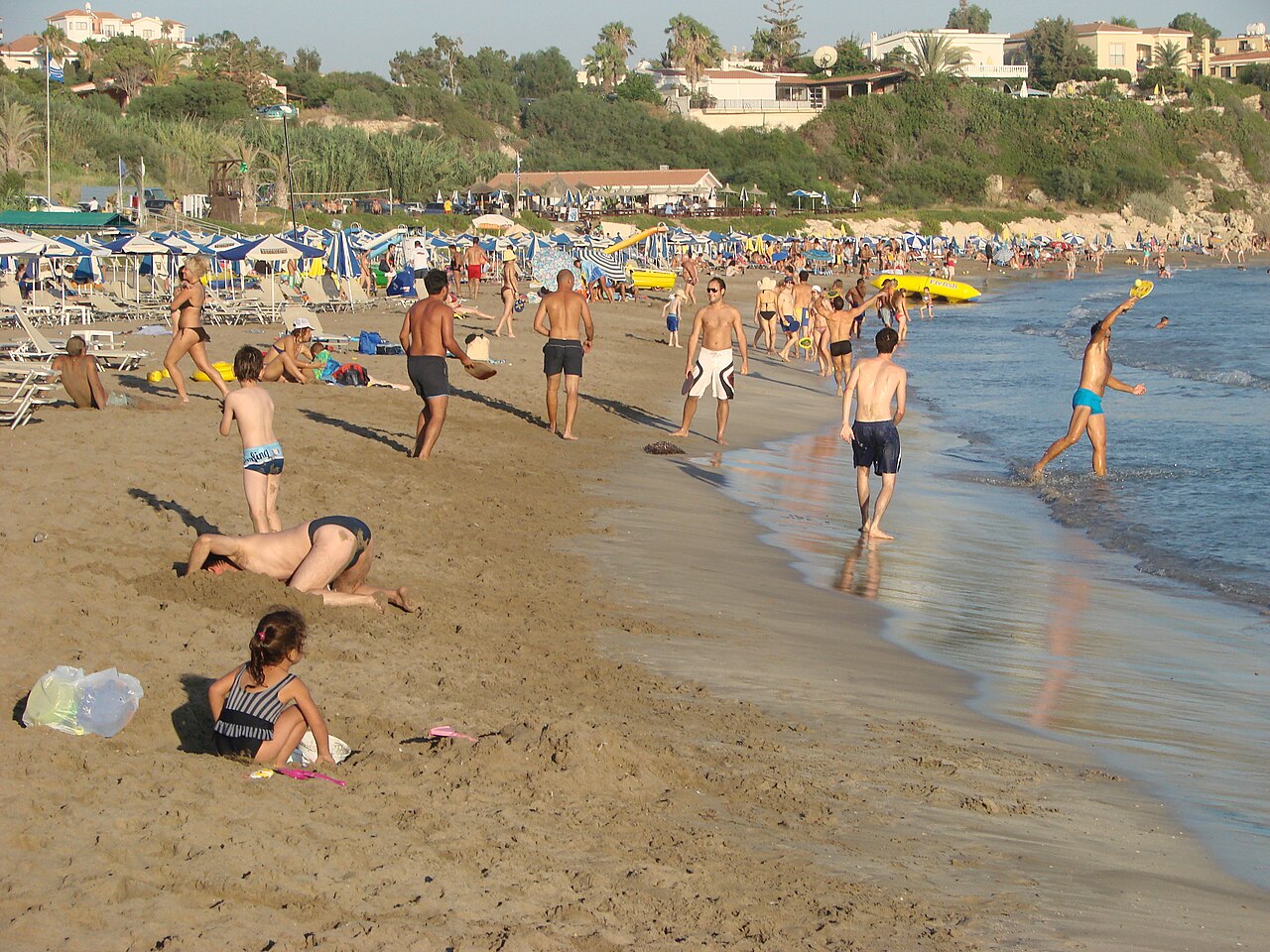
A sheltered Blue-Flag crescent of soft pale sand between two limestone headlands, with calm shallow water that makes it the most family-friendly swim on the west coast.
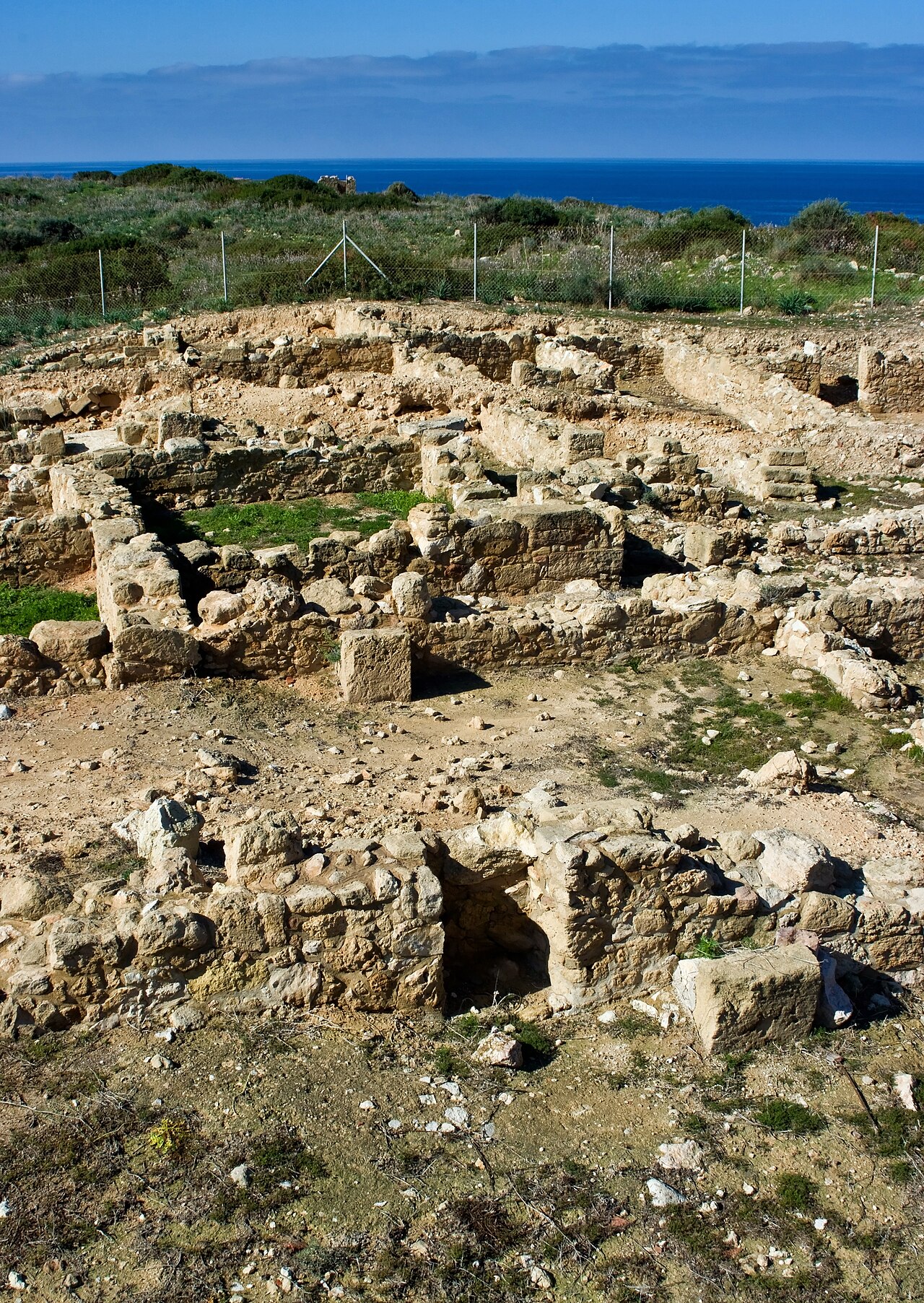
A clifftop chapel above a tiny fishing harbour facing Geronisos island, with early-Christian basilica mosaics and one of the finest sunset terraces in Paphos.
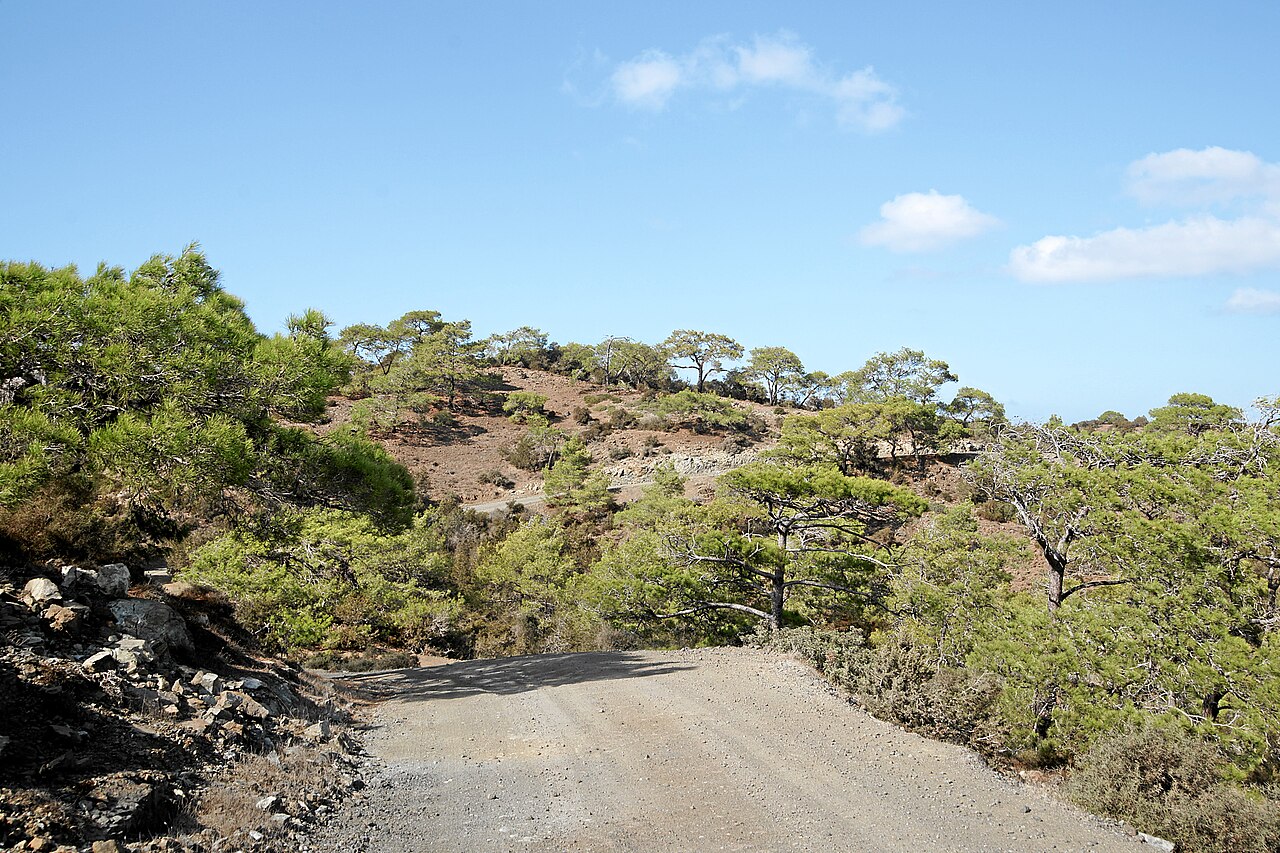
A pine-scented loop through the Akamas forest with a picnic site and twin viewpoints over Chrysochous Bay and the wild west coast — a gentler way to taste the peninsula.
A remote forested valley deep in the Paphos Forest, carpeted with thousands of endemic Cyprus cedars (Cedrus brevifolia) that grow wild nowhere else on earth. The unpaved forest road in is slow and dusty, but it rewards you with deep quiet, birdsong and a real chance of spotting mouflon. There are no facilities, so bring water and a full tank.
A historic forest station in the heart of the Paphos Forest, shaded by giant plane trees, with a picnic ground, a small café and a campsite. Its main draw is the fenced enclosure where you can reliably see Cyprus mouflon — the island's shy wild sheep. The approach is a long drive on winding gravel roads, so set out early and fuel up first.
A roughly 7.5 km circular mountain trail that climbs from the Baths of Aphrodite up into the Akamas, passing the stone ruins of Pyrgos tis Rigainas and a huge ancient oak before opening onto sweeping views over Chrysochou Bay. It is steep in places and shadeless up top, so go early with water and proper shoes. Free, and one of the peninsula's great walks.
Pine forests, waterfalls and stone villages.
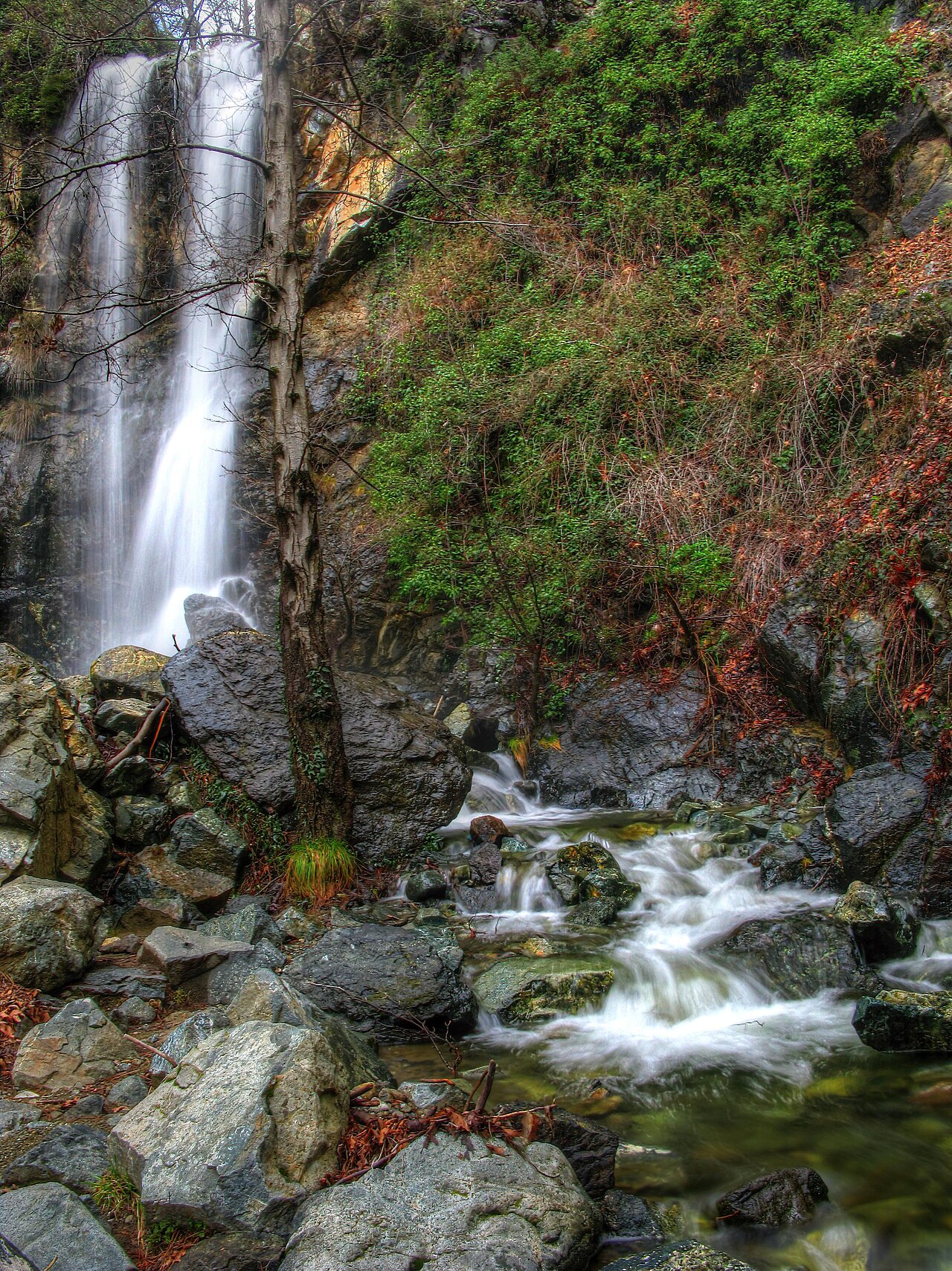
A cool two-hour forest loop tracing the Kryos river through pine and plane trees to a 13-metre waterfall — the island’s best escape from the August heat.
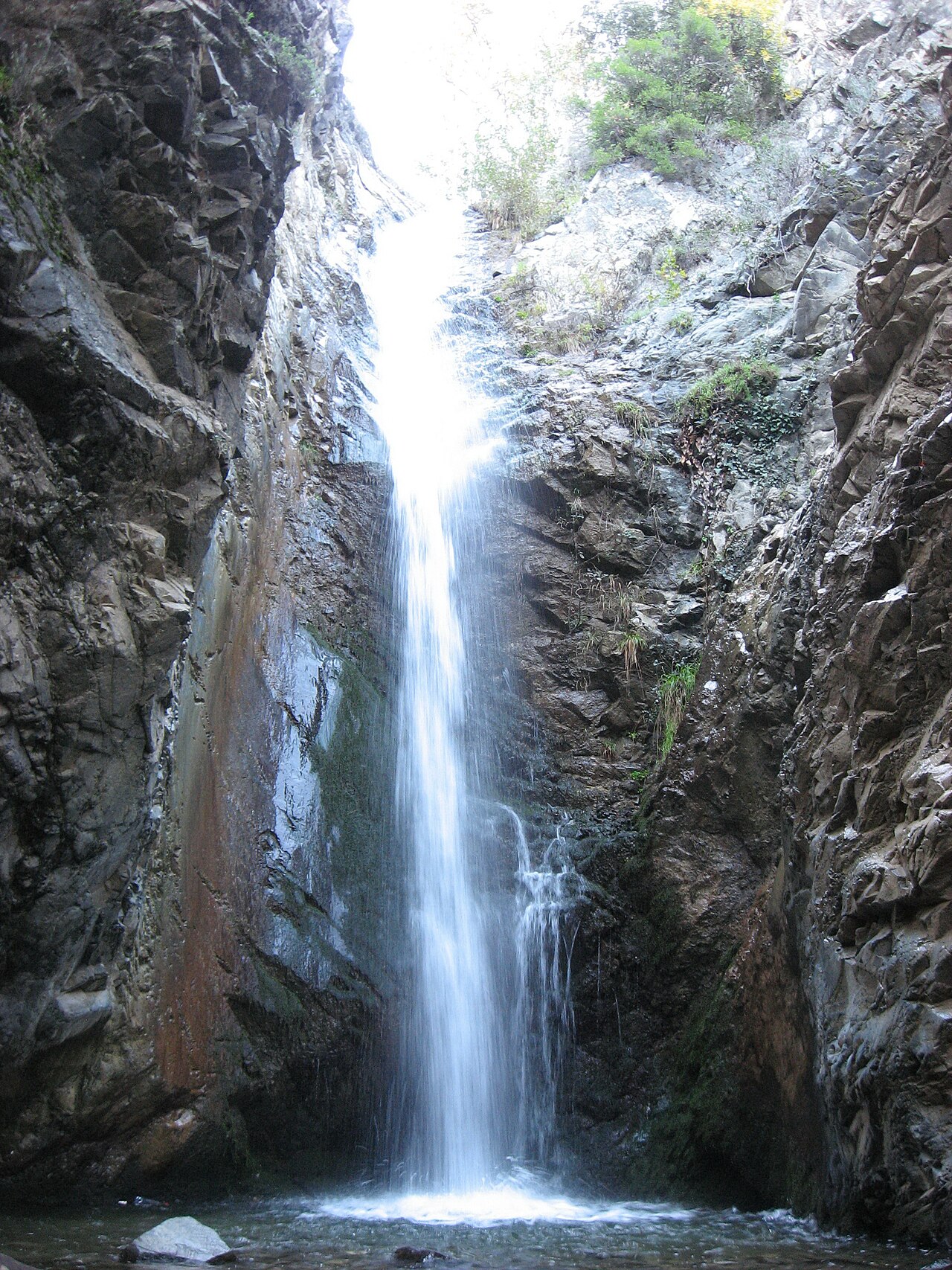
At 15 metres, the tallest natural waterfall in Cyprus, plunging over a black rock face into a mossy plunge pool. A short cobbled path drops to the base.
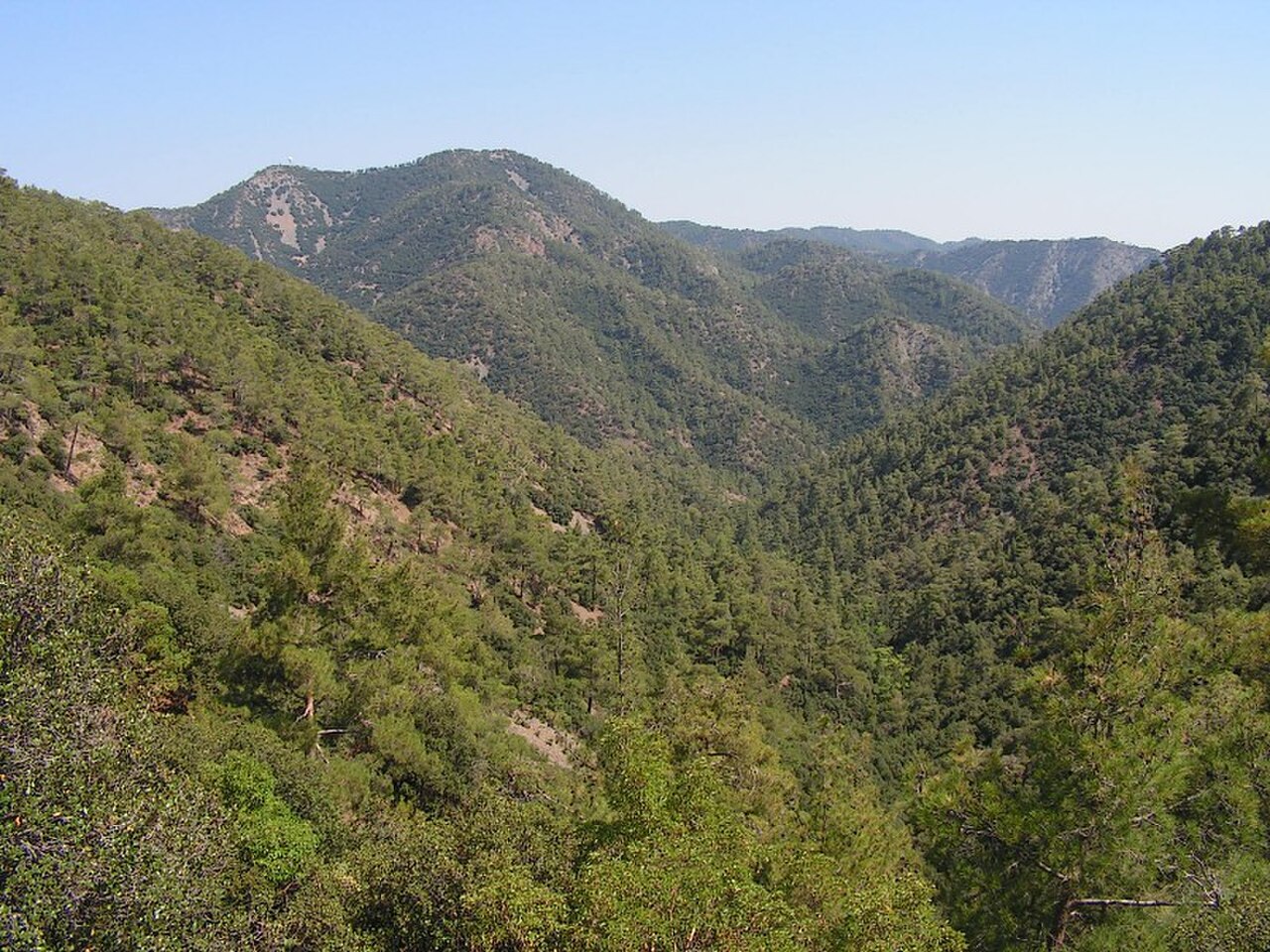
A near-level seven-kilometre loop circling the summit of Mount Olympus through black pine and juniper, with both coasts visible on a clear day. Snow-dusted in winter.
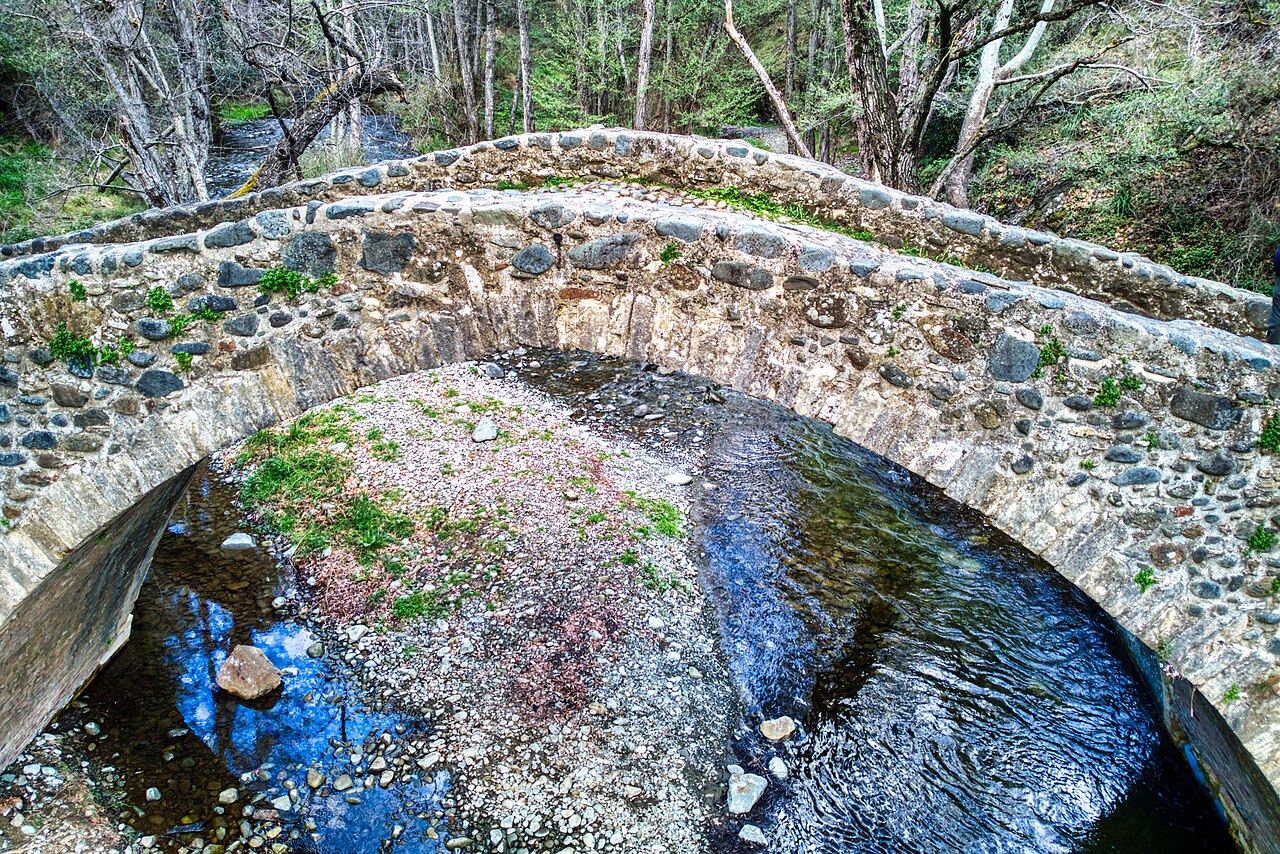
A graceful single-arch medieval packhorse bridge on the old camel route through the cedar forest, spanning the Diarizos river in perfect stone silence.
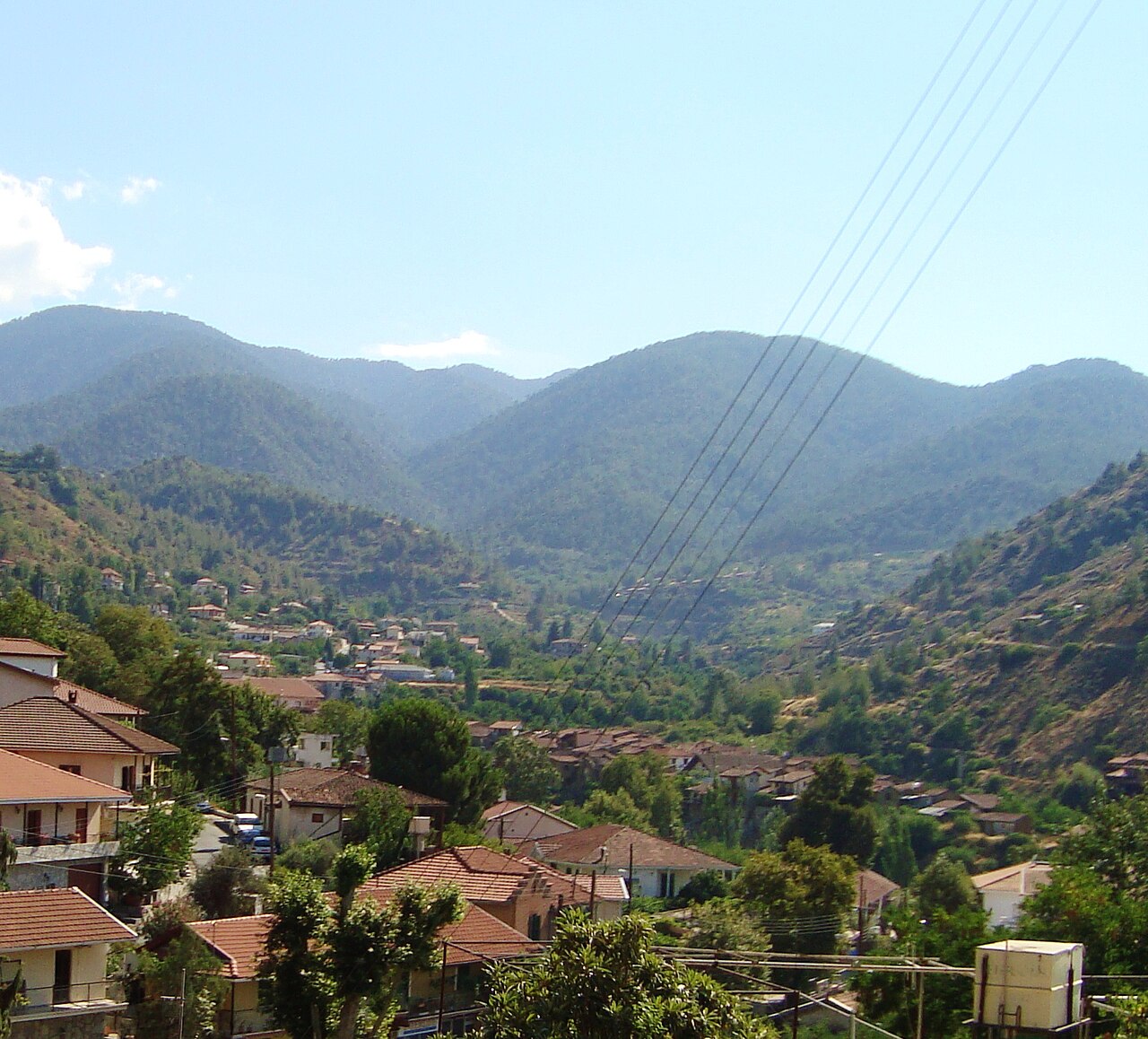
A preserved mountain village of timber-balconied stone houses tumbling along a rushing stream, with a UNESCO-listed barn-roof church a short walk uphill.
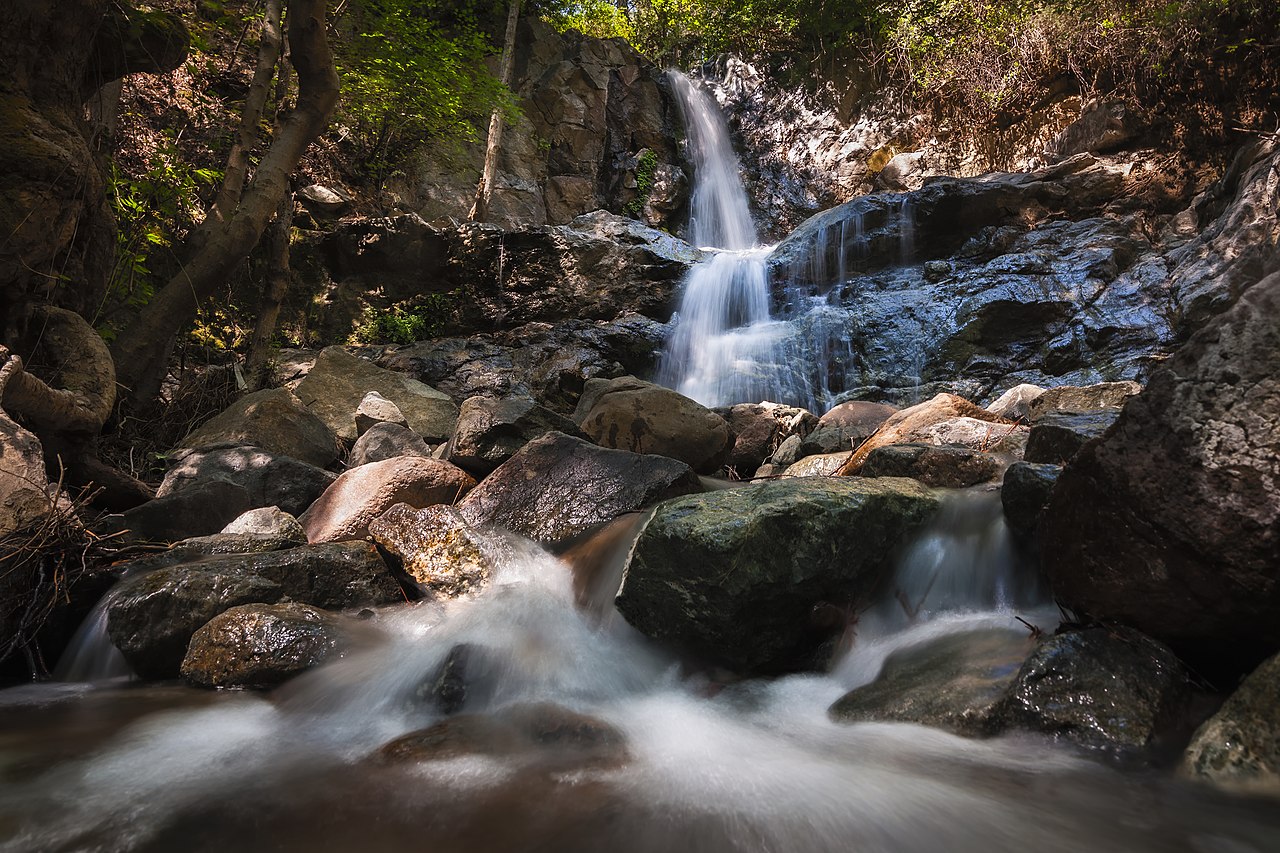
A hidden cascade tucked in a steep, mossy ravine below a working monastery — a short shaded path leads to the falls and a cold plunge pool deep in the forest.
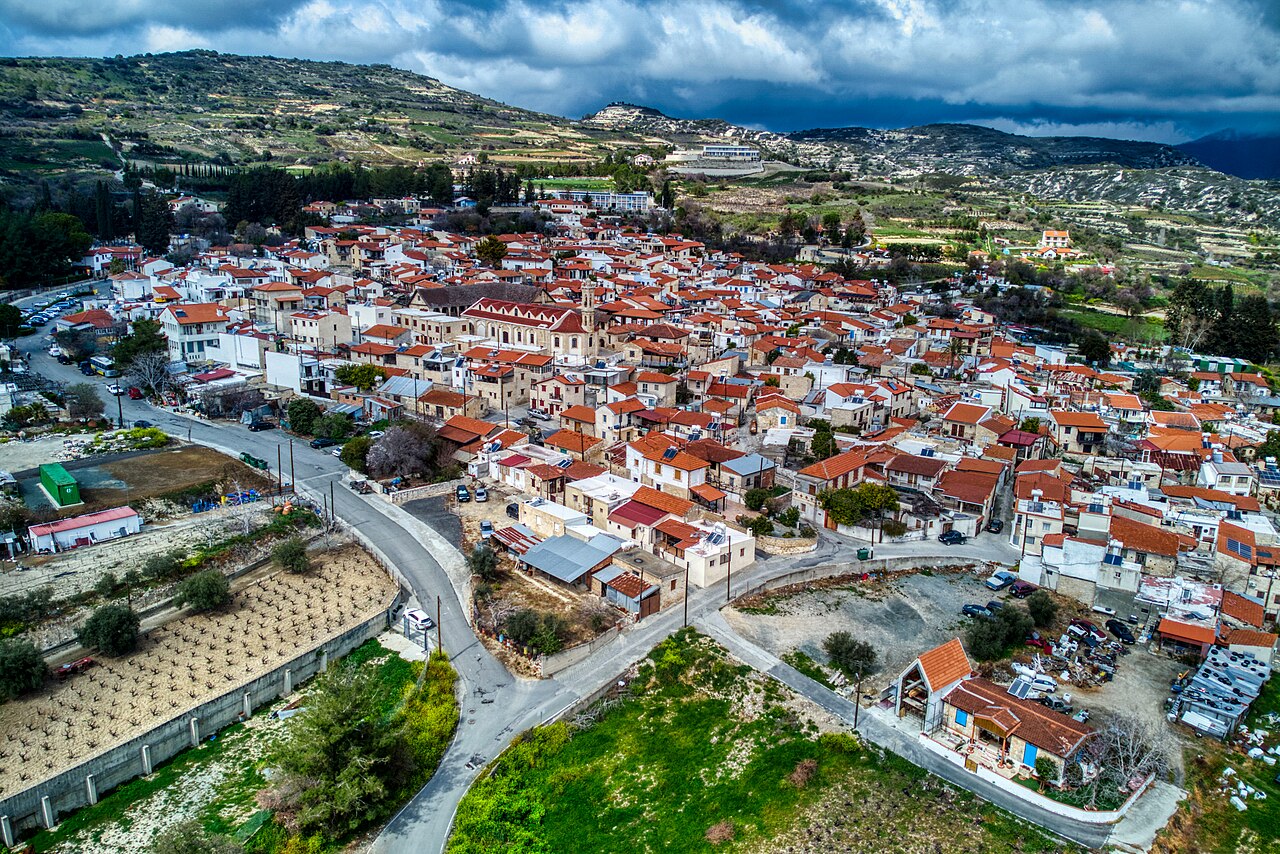
A cobbled wine village built around the Monastery of the Holy Cross, ringed by vineyards and lined with cellars pouring indigenous Commandaria and Zivania.
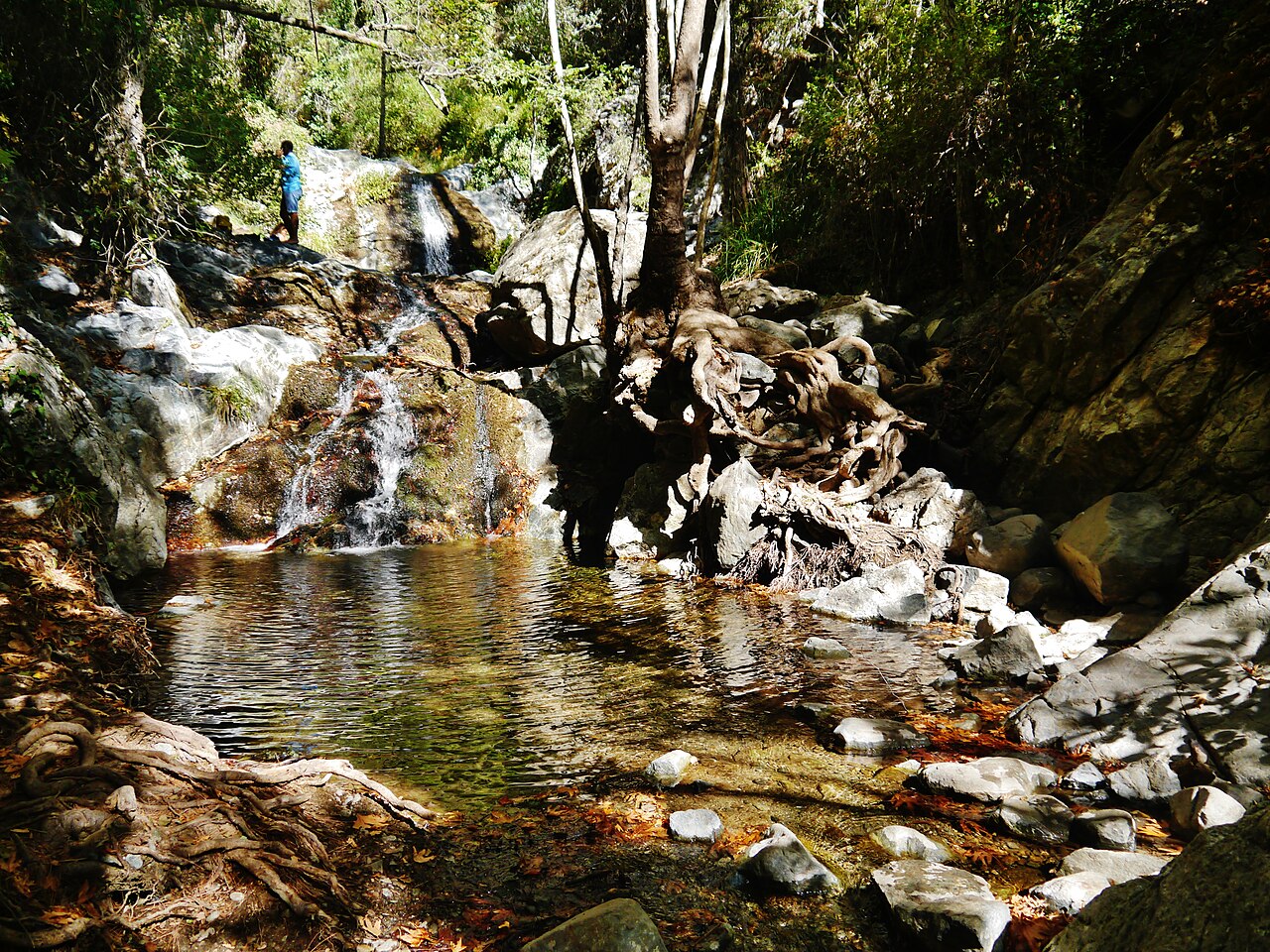
A graceful twin-drop fall on the Kryos river, reached by a short forest path past plane trees — quieter than nearby Caledonia and beautiful when the river runs full.
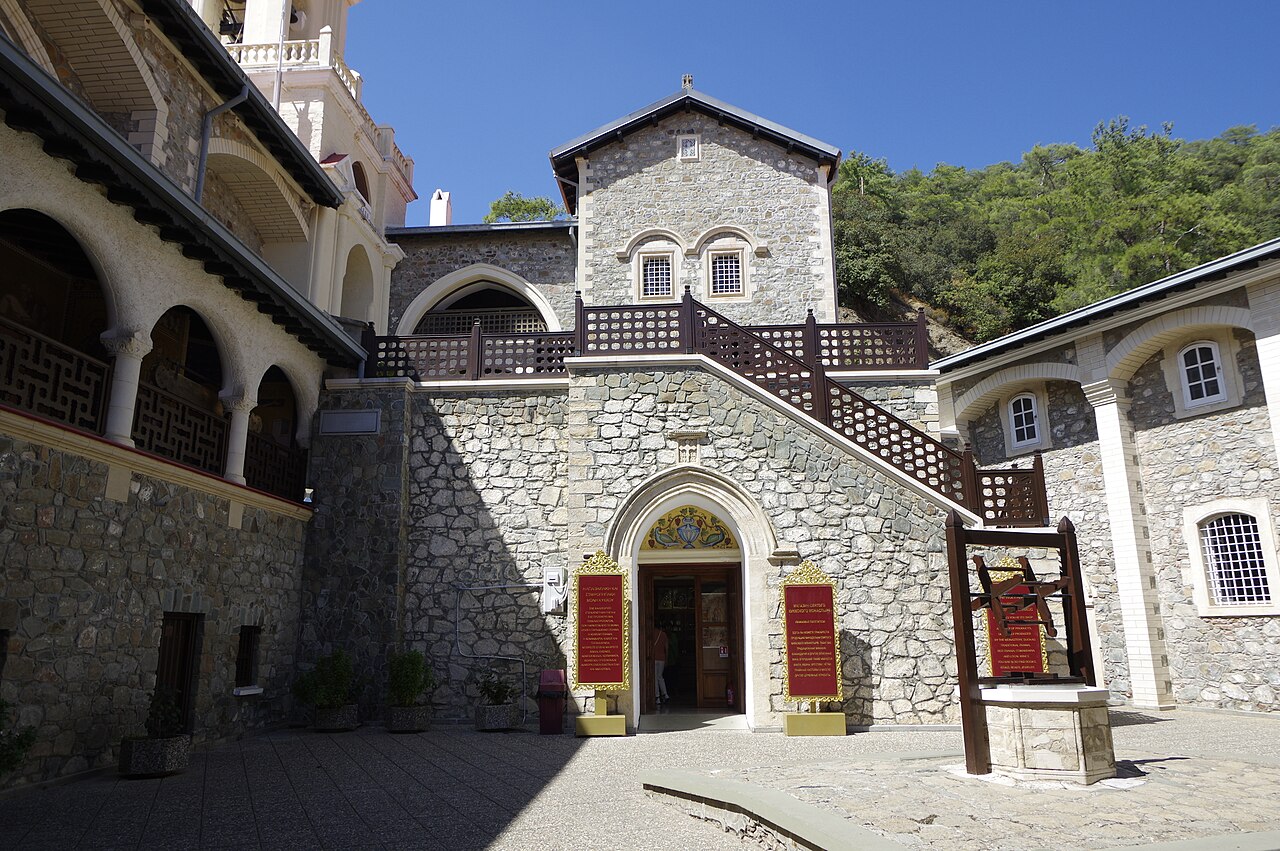
The wealthiest and most famous monastery in Cyprus, glittering with gold mosaics and frescoed corridors high in the Marathasa hills. Entry to the monastery itself is free, though the small museum charges a fee and coaches arrive in numbers by late morning. Dress modestly — wraps are provided at the door.
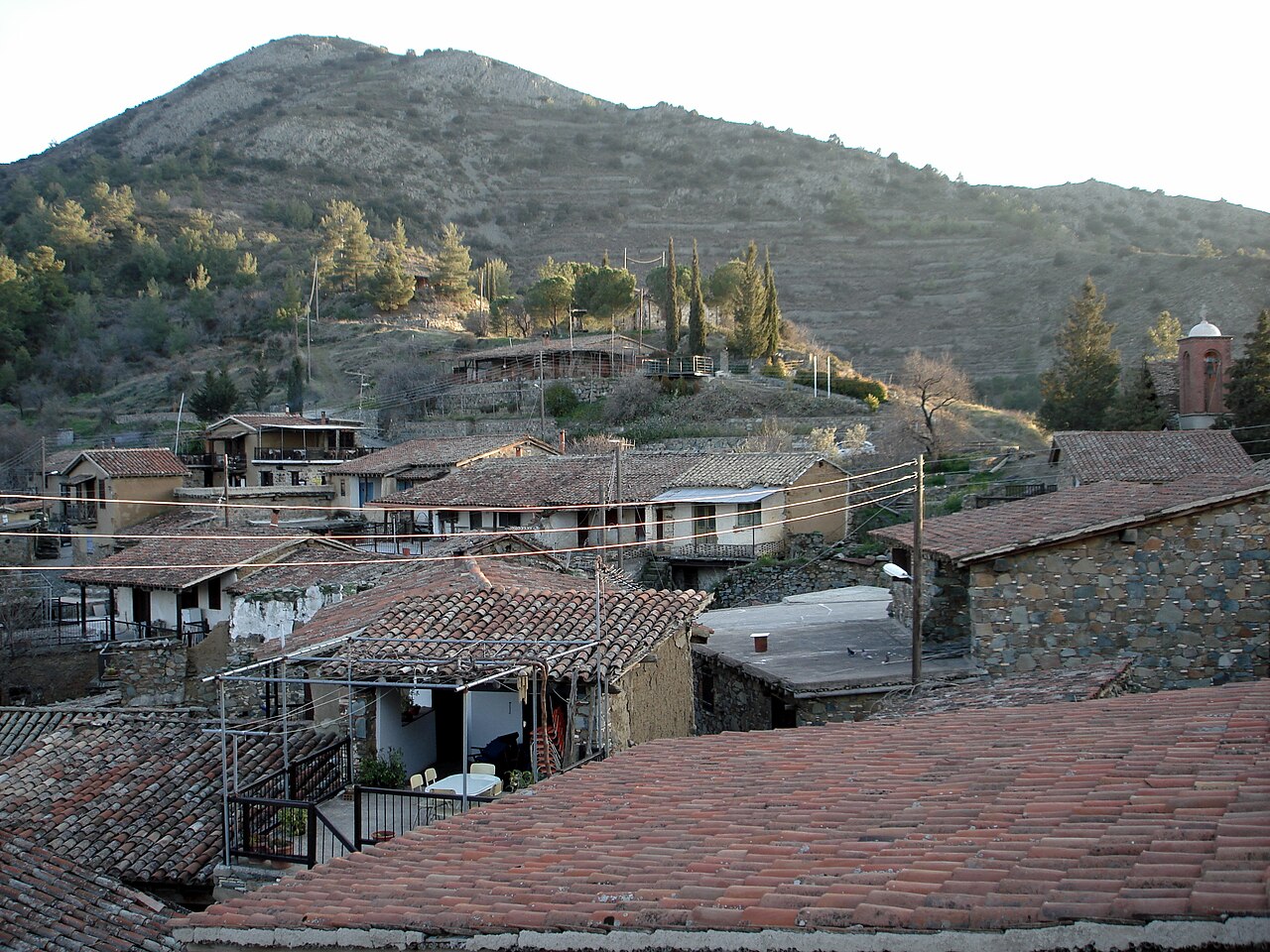
A protected, near-deserted medieval village where stone-and-timber houses have barely changed since the 18th century — the whole place is a listed ancient monument. Wandering the cobbled lanes is free and wonderfully quiet; just note there is only a taverna or two, and the small rural museum charges a modest fee.
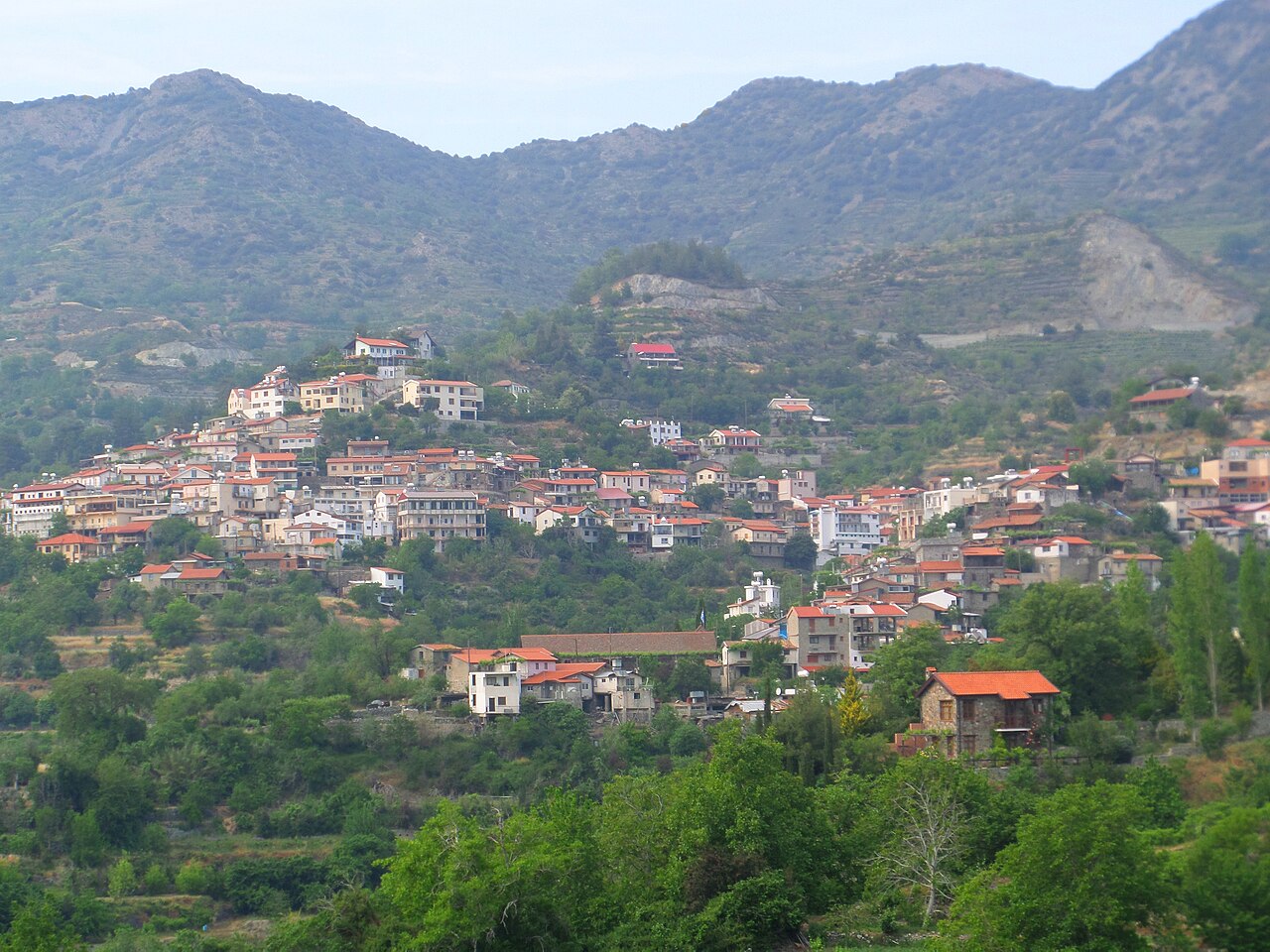
The rose village of the Pitsilia hills, famous for its Damascena rose products, cured meats and mountain honey. Strolling the village and surrounding rose fields costs nothing — May is when the roses bloom and the village smells of it. Outside spring it is sleepier, but the traditional shops and cool air still reward the winding drive up.
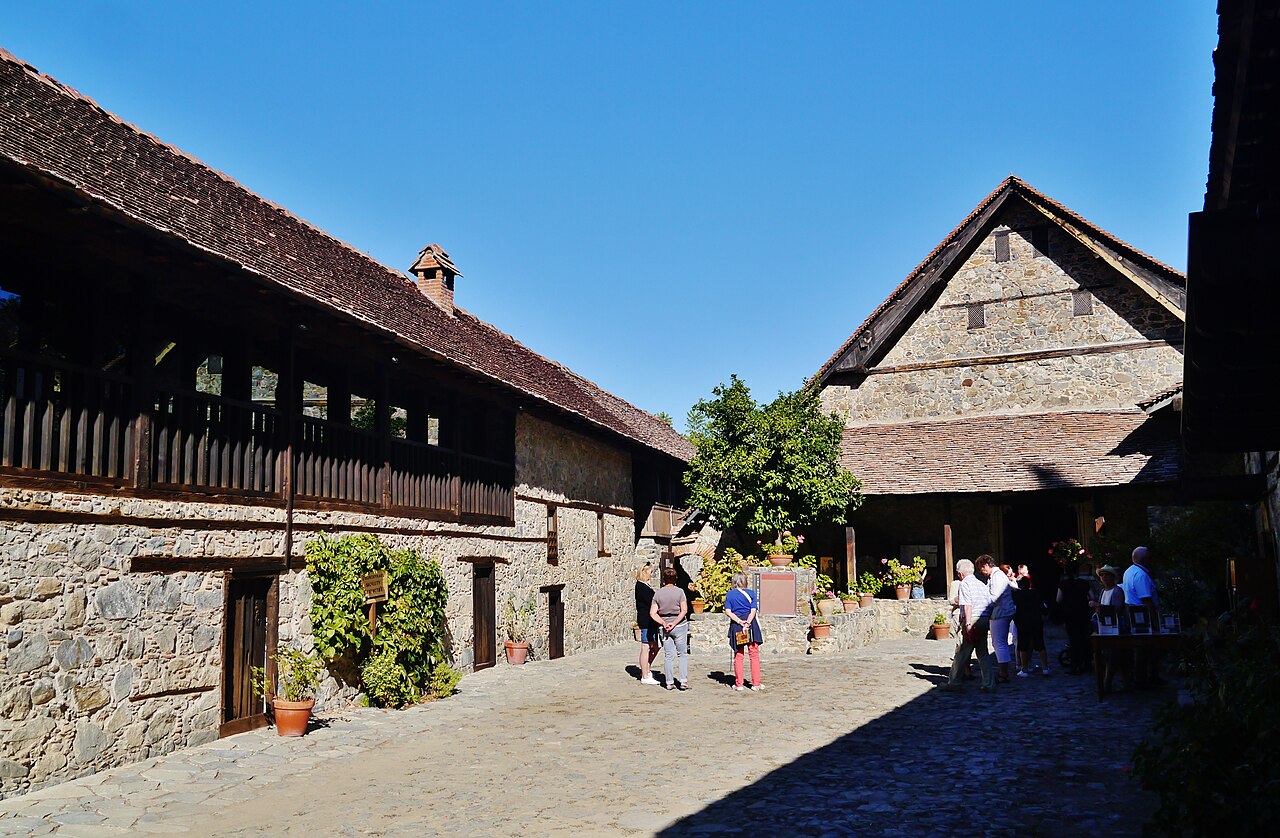
A beautifully restored spa village stacked down the Setrachos valley, linked by lanes, footbridges and a free cable lift to the UNESCO-listed Agios Ioannis Lampadistis monastery with its remarkable frescoes. Entry to the monastery is free. The village is steep, so expect a proper leg workout between the upper road and the river.
Chalk cliffs, long bays and quiet coves.
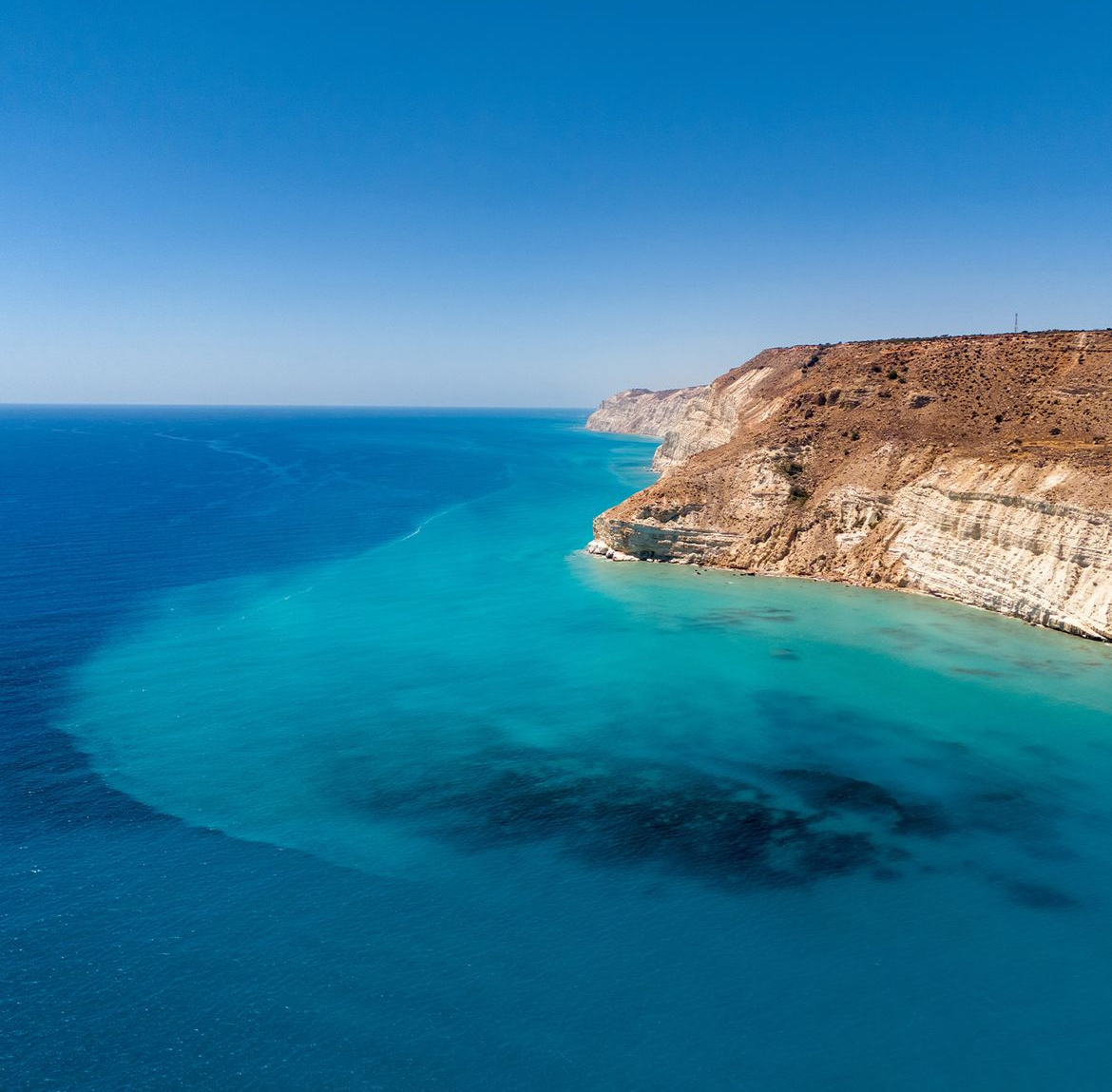
Brilliant white chalk cliffs drop to a string of small dark-sand coves and clear water — the contrast of pale rock and deep sea is unmistakably Cypriot.
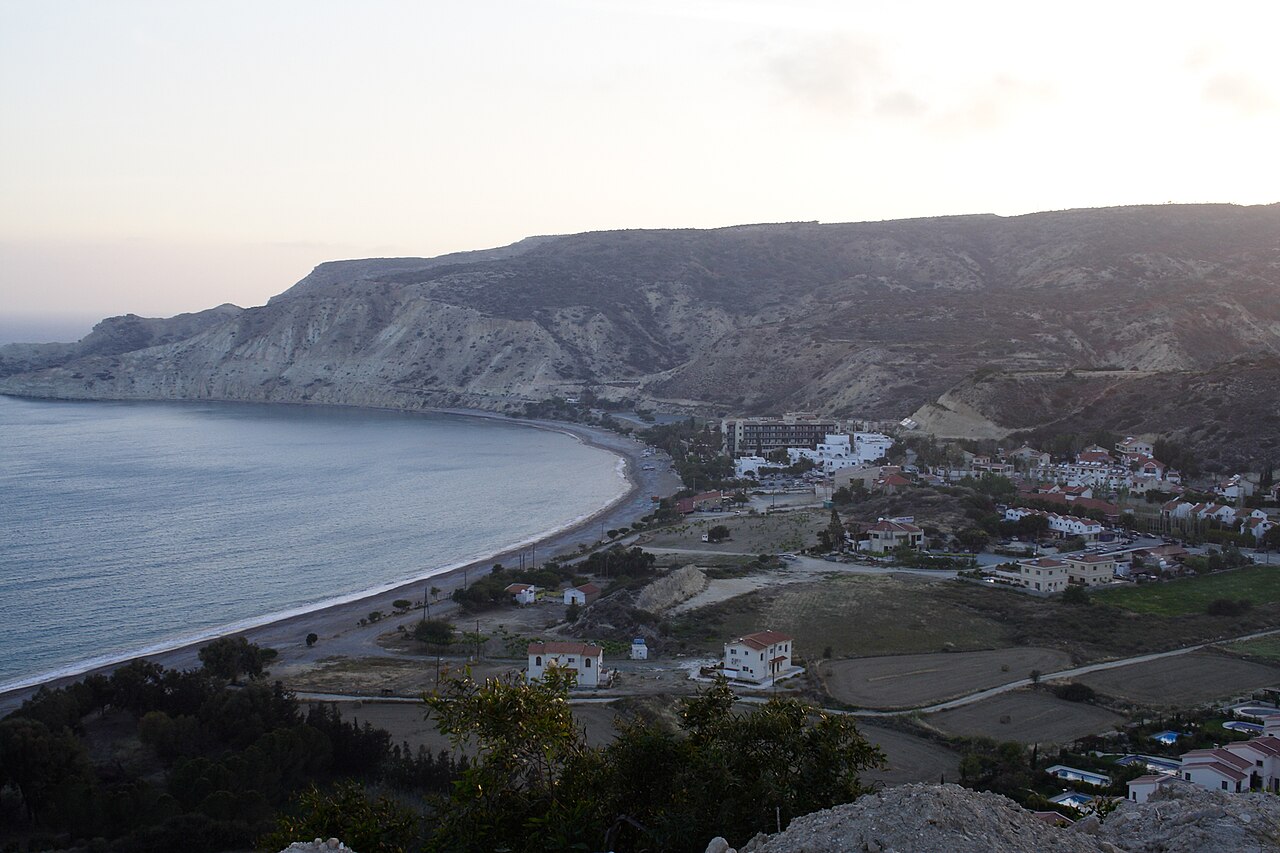
A long, calm crescent bay tucked beneath farmland and white cliffs, ringed by tavernas — sheltered, shallow and made for a slow swim at sundown.
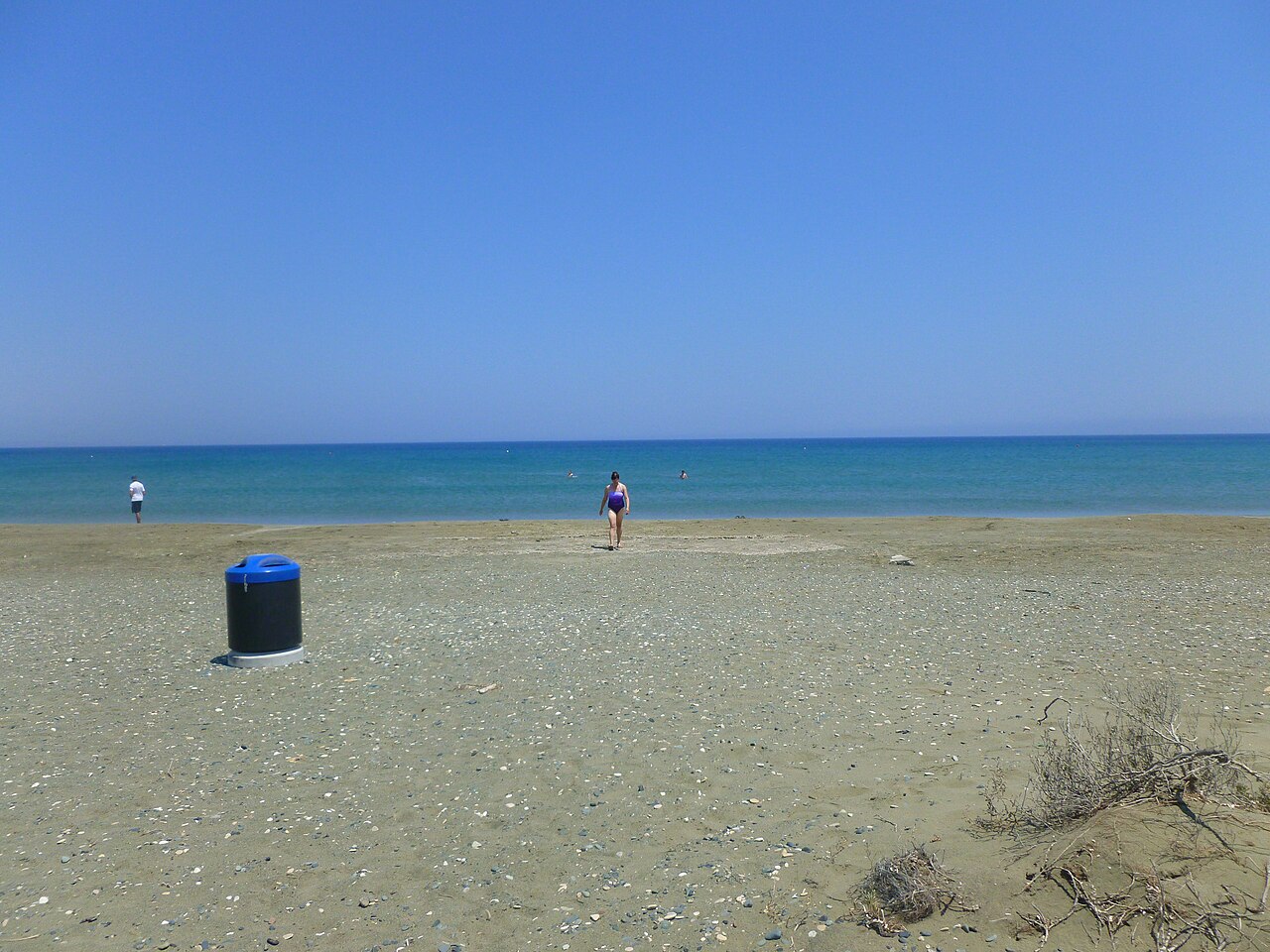
A flat, mile-long ribbon of hard sand on the Akrotiri peninsula with shallow warm water and a string of laid-back beach bars — the locals’ long-walk-and-swim beach.
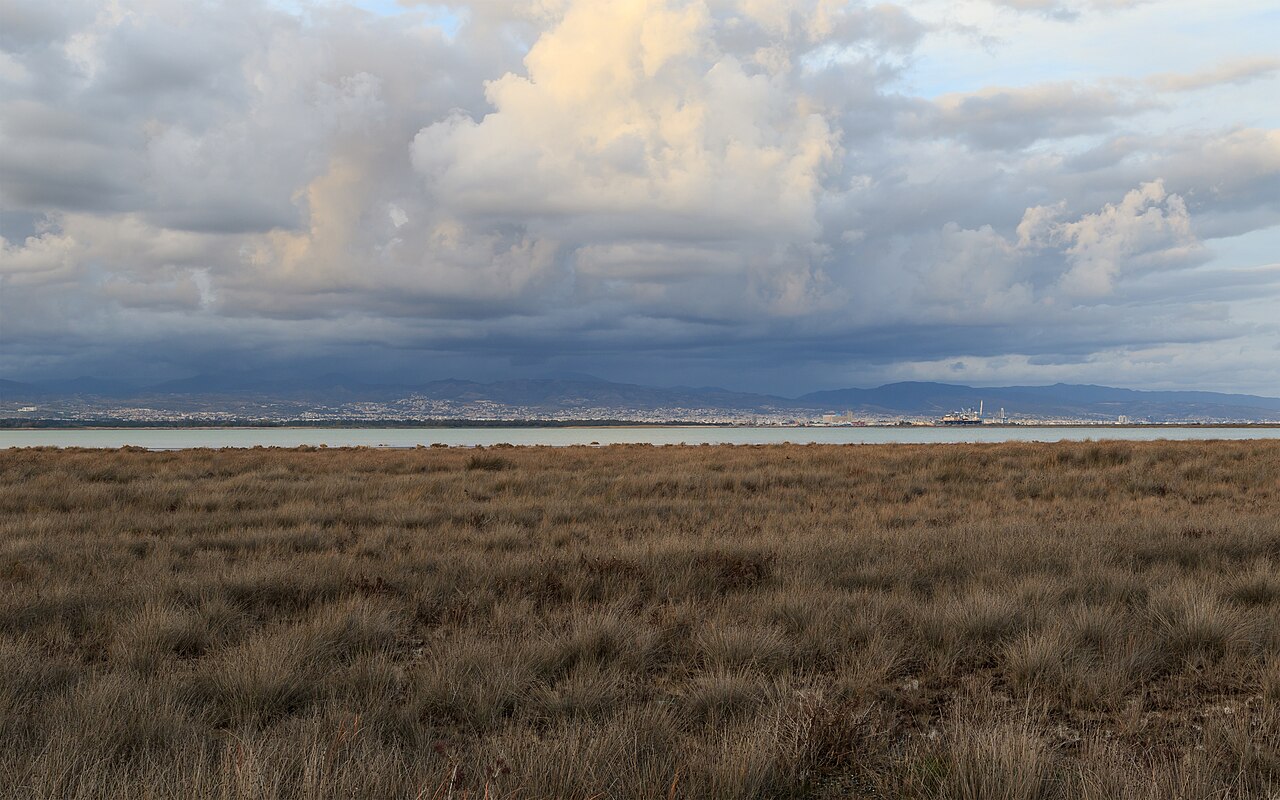
The island’s largest inland lake, where flamingos gather in their thousands each winter. A flat birding trail and hide skirt the water beneath the Fasouri eucalyptus avenue.
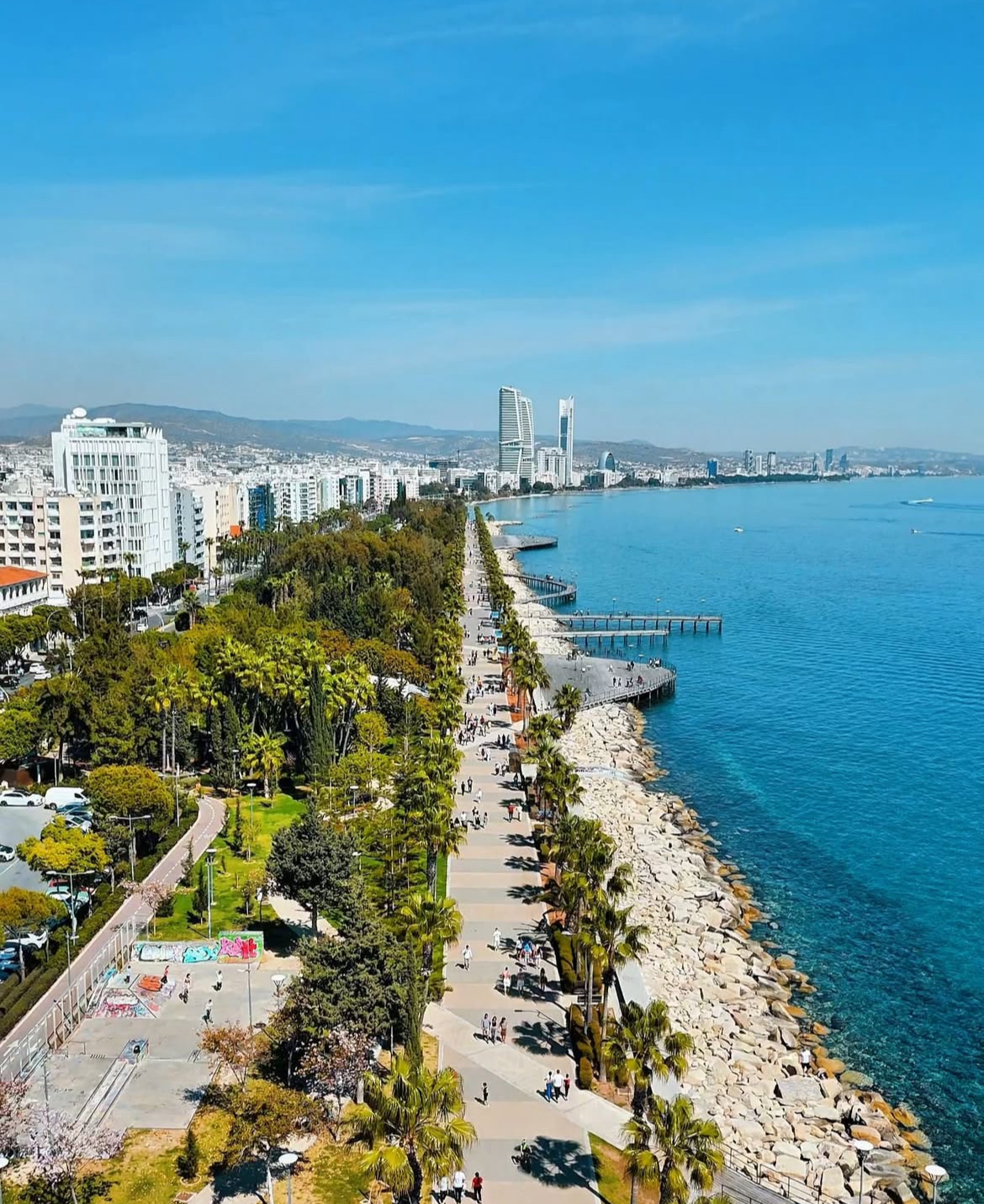
The medieval castle, restored carob warehouses and a sleek modern marina knit into one walkable seafront — buzzing with cafés, street art and a long palm-lined promenade.
The long, free public beach curving along Episkopi Bay beneath the white cliffs of ancient Kourion. The sand-and-shingle shore has a handful of beach bars and a reliable afternoon breeze that makes it a favourite with windsurfers. Note it's the beach that's free — the clifftop archaeological site and its Greco-Roman theatre above are a separate paid attraction.
A long, laid-back stretch of sand and shingle on the quiet coast between Limassol and Paphos, backed by open country rather than hotels. A couple of tavernas sit at either end, but the middle stays gloriously empty even in August. Access is free and easy by car, and the calm, gently shelving water is good for a long swim.
The largest dam in Cyprus, holding back a reservoir ringed by hills north of Limassol near Alassa — a scenic drive-to viewpoint. In dry summers when the water drops far enough, the roofless shell of the old submerged church of Alassa can reappear above the surface. It's best after a wet winter when the reservoir is high; a quick photo stop rather than a day out, with no facilities.
Cape Greco caves and impossibly clear water.
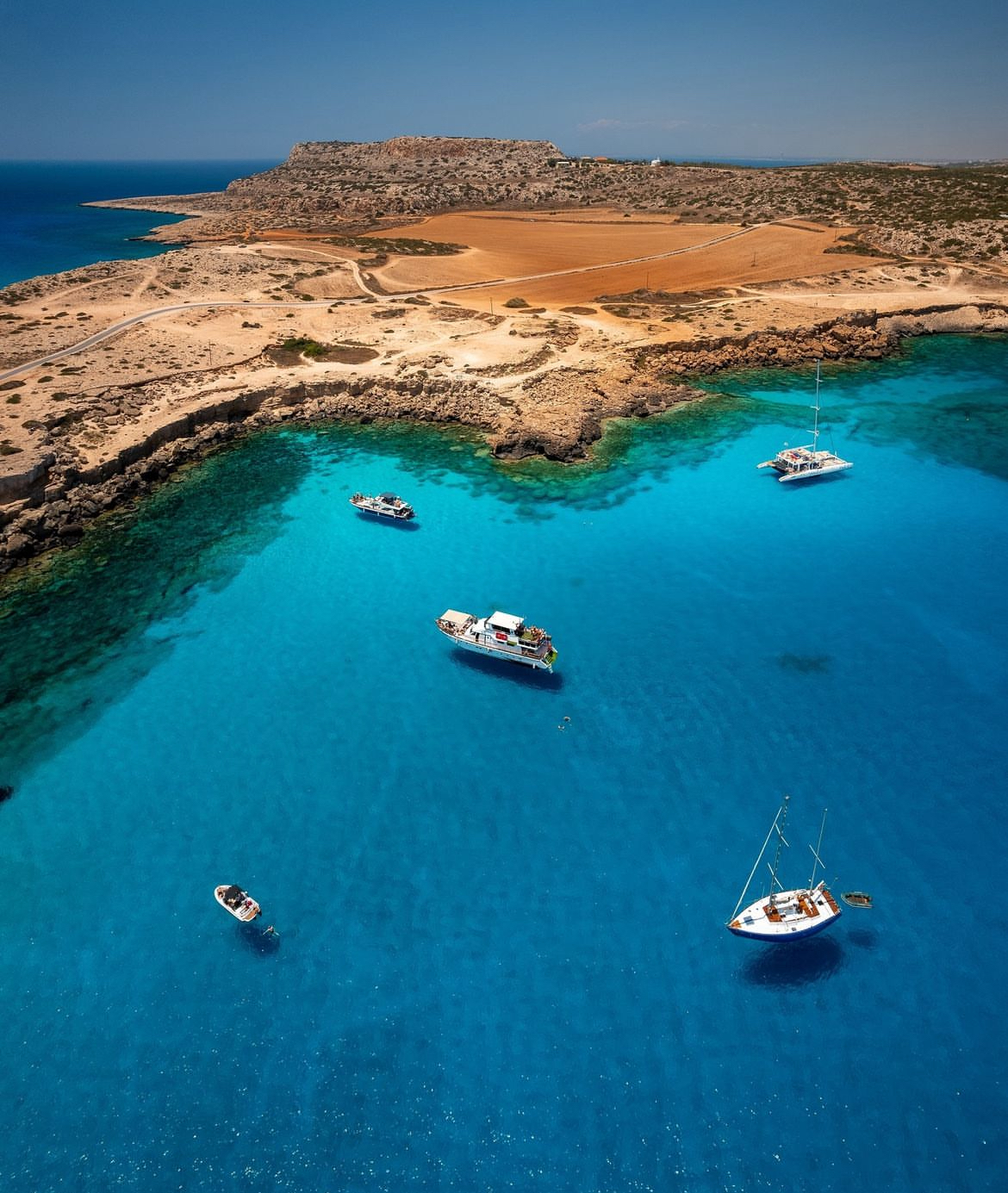
Wind-carved sea caves, blue holes and a network of clifftop and coastal trails on the island’s south-east horn, with a tiny white chapel above the water.
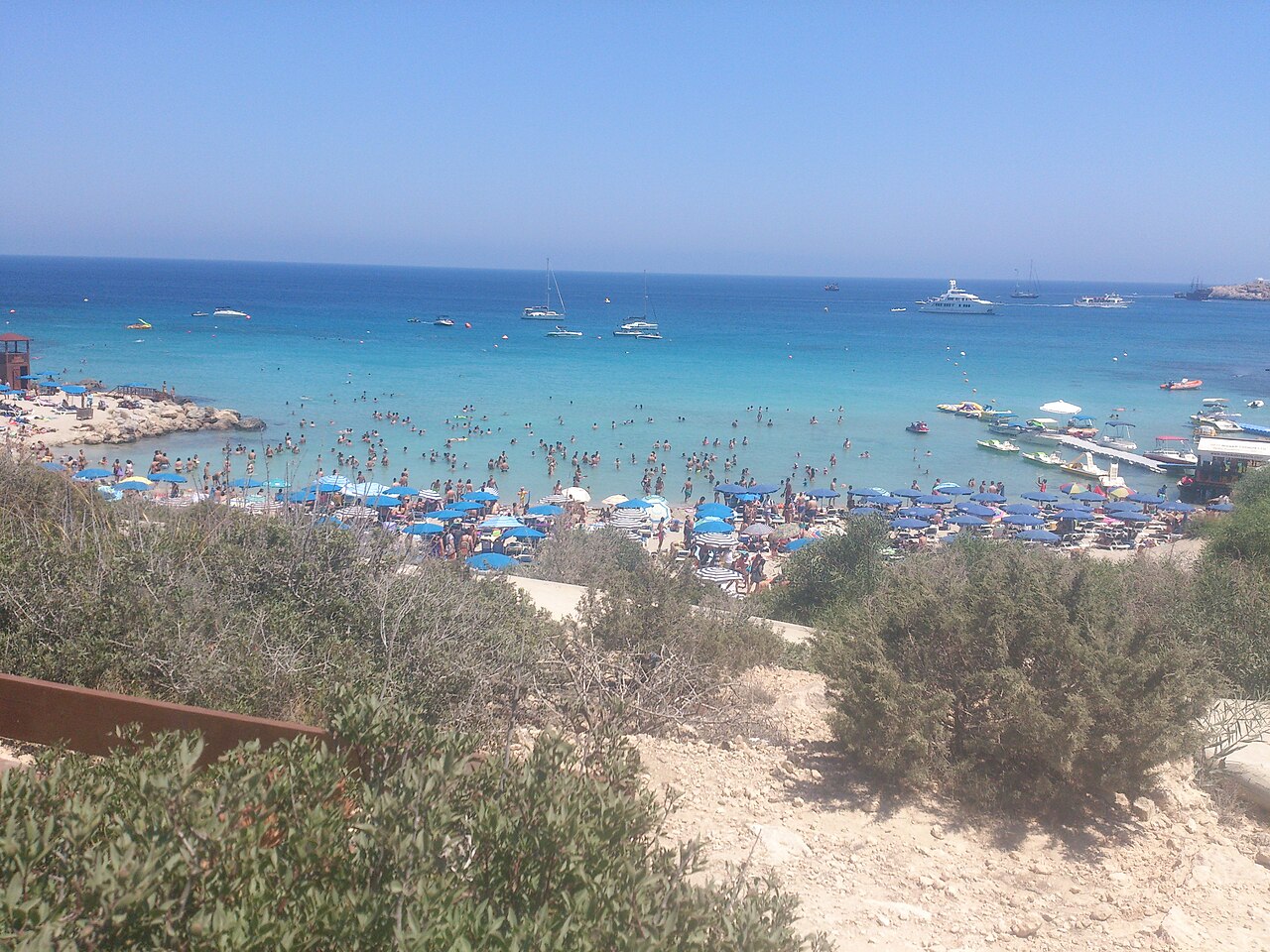
A sheltered horseshoe of fine sand and glass-clear turquoise between two pine-topped headlands — the prettiest swim on the east coast, reached on foot from the cape.
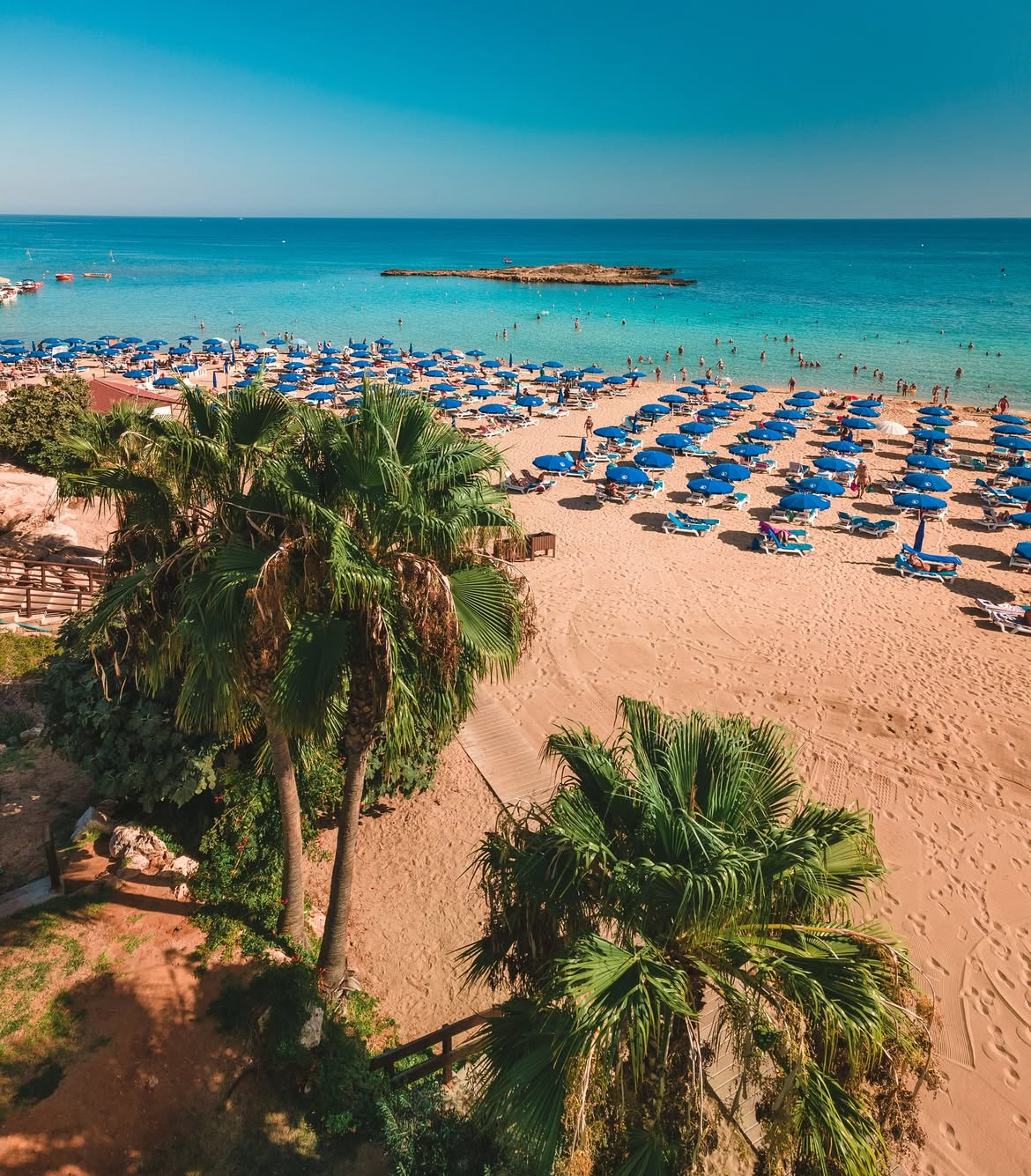
The icon of Protaras: powder sand, shallow warm water and a little islet you can swim out to, named for the lone fig tree that has stood here for centuries.
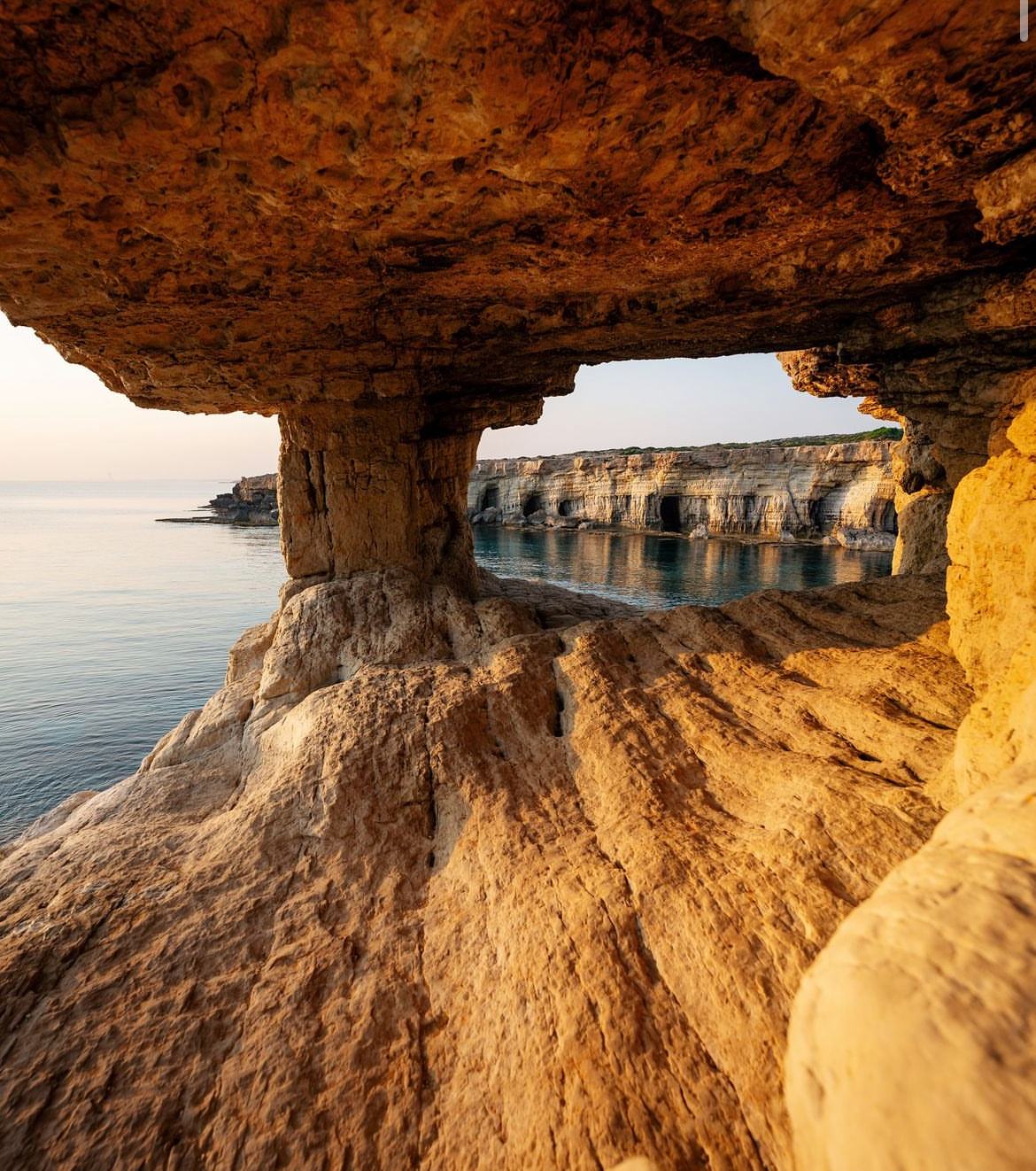
A run of wave-cut caves and arches in honey-coloured rock where locals leap from the ledges into deep clear water — the most photographed cliff line on the island.
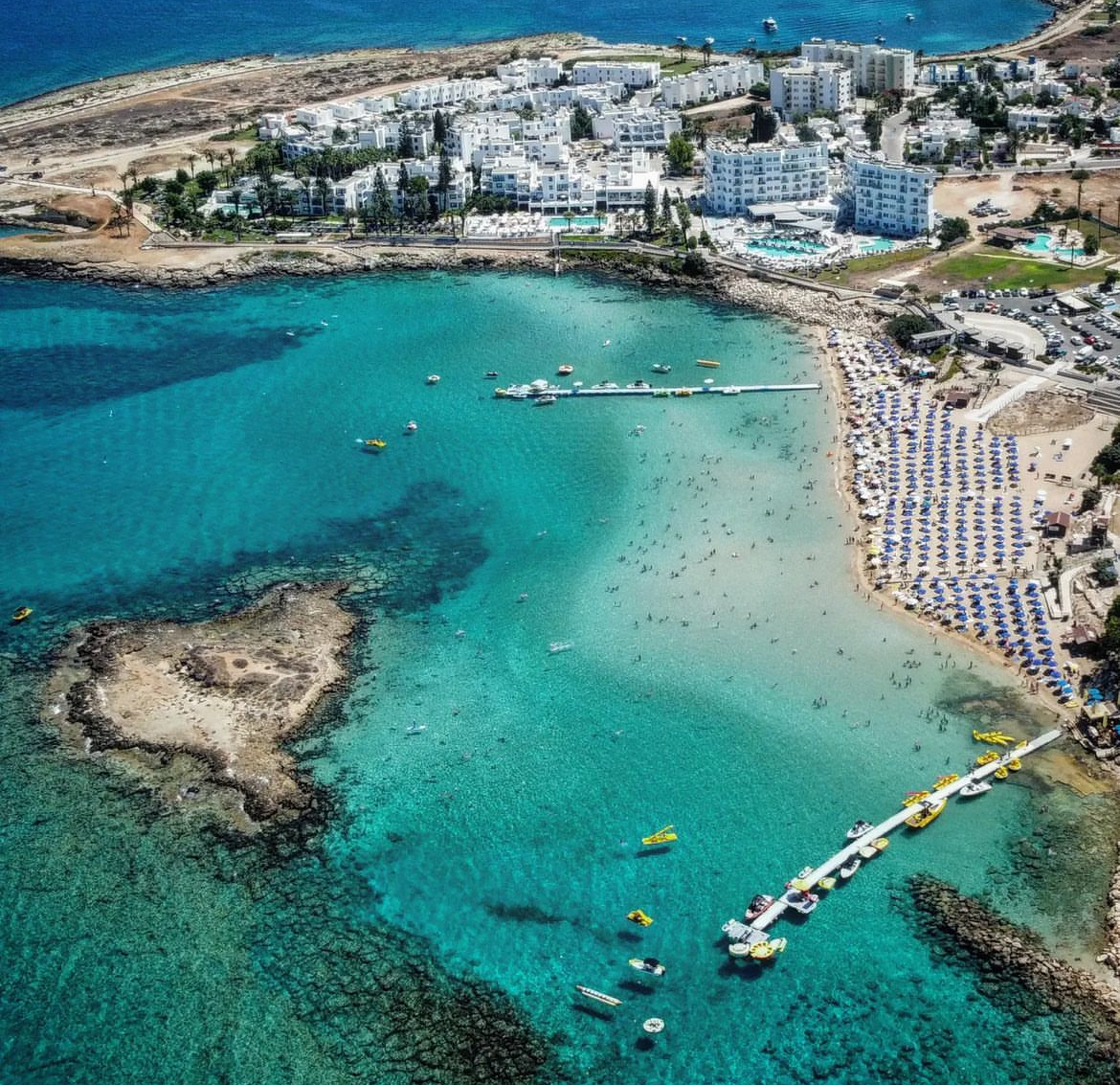
Powder-white sand and luminous shallow water with a little islet you can wade out to across a natural sandbar — the postcard beach of Ayia Napa, free to walk on year-round.
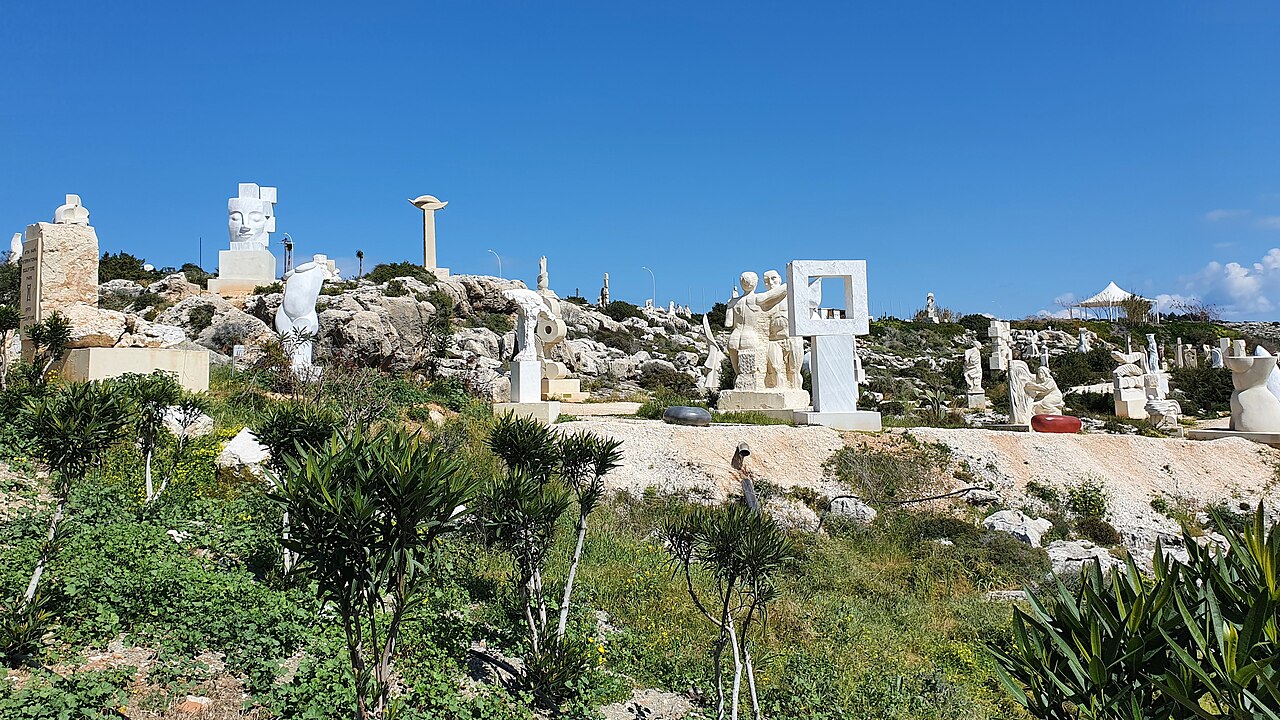
An open-air park of more than 200 stone and metal sculptures terraced across a clifftop above the sea — a free, ever-growing sculpture trail with the cape as backdrop.
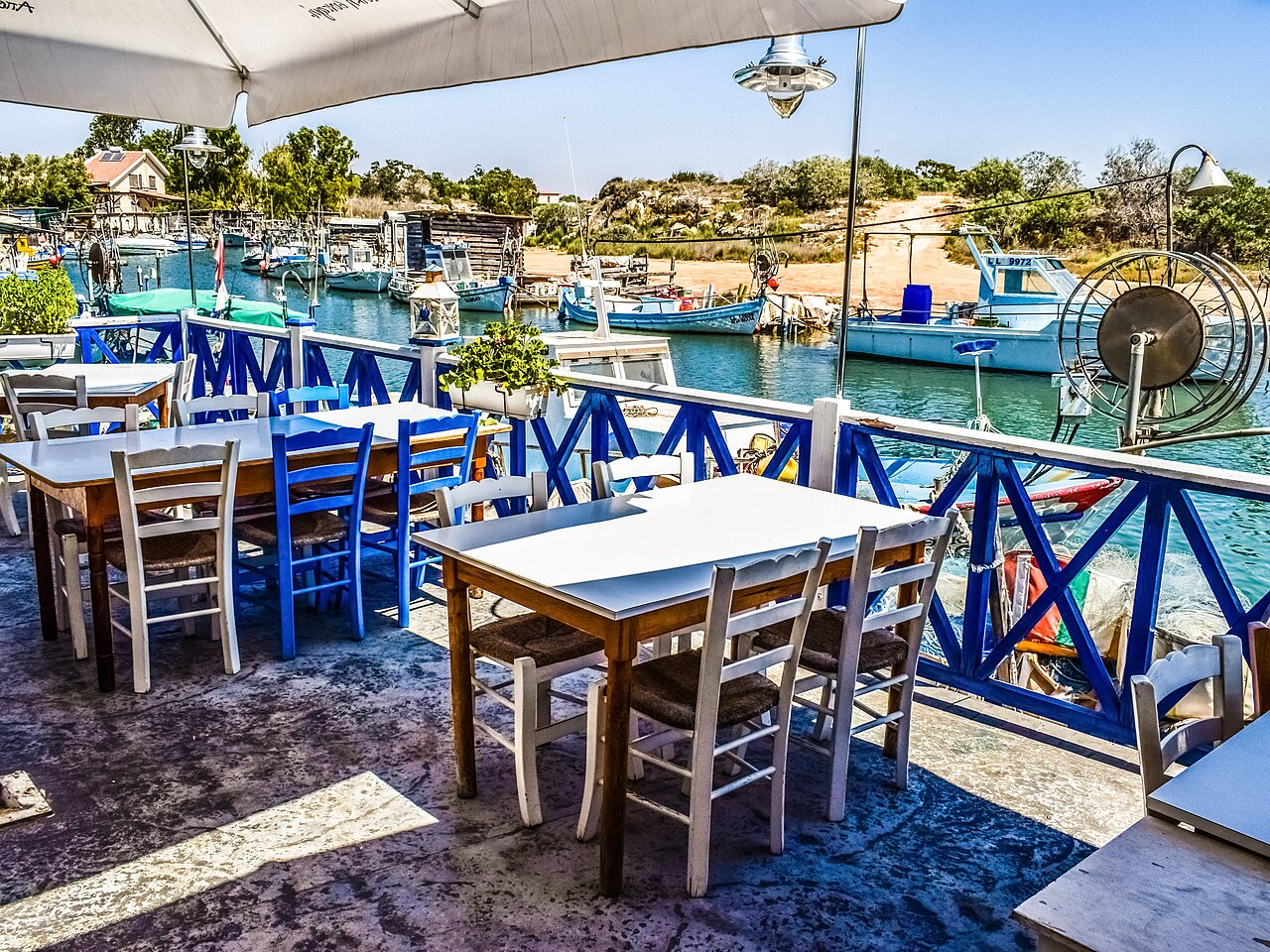
A narrow tidal creek lined with weathered wooden fishing boats — one of the last genuinely working fishing harbours on the island and a favourite of photographers at sunset. There is no entry fee and no development beyond a couple of fish tavernas. It is a short stop rather than a day out, but an atmospheric one.
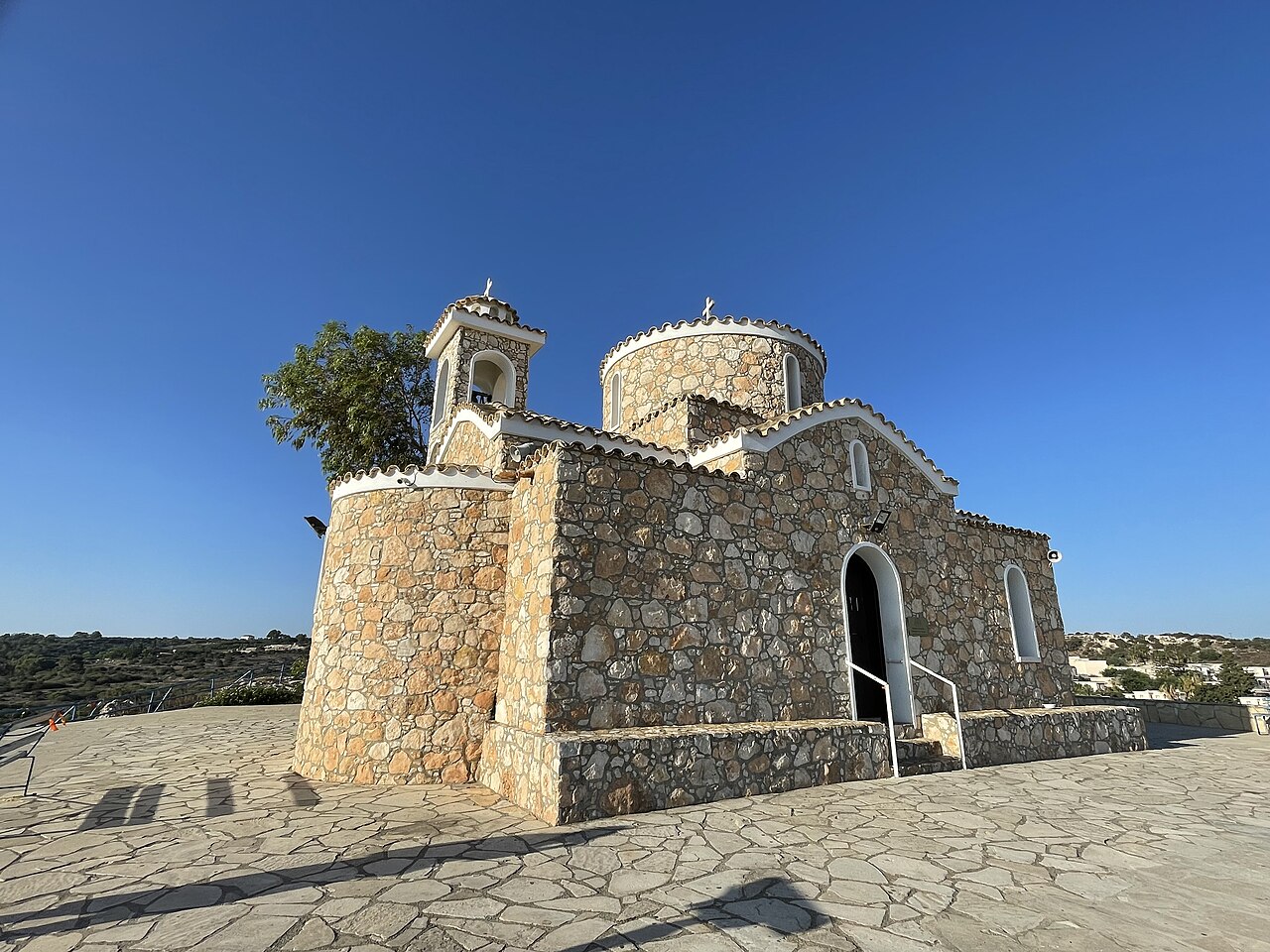
A little whitewashed chapel perched on a rocky hill above Protaras, reached by a stone stairway of roughly 150 steps. The climb is short but sweaty in summer, and the reward is a sweeping free view over the resort coast — especially good at sunset, when it does get busy. The trees near the top flutter with wish ribbons left by visitors.
A slender natural sea arch — the 'Crow's Arch', better known as the Love Bridge — jutting off the Cape Greco cliffs above impossibly blue water. It's one of the most photographed spots on the east coast and magical at sunrise. The rock is unfenced and can be slippery, so it's safest admired from the clifftop rather than by clambering out onto the arch.
A small, calm, family-friendly sandy cove just west of Ayia Napa, with shallow clear water and far fewer crowds than Nissi. Beside it stand a little whitewashed chapel and, cut into the low cliff, a tiny centuries-old cave-church — a quiet, characterful corner of the coast. Free to visit, with a beach bar and parking close by.
A Blue Flag horseshoe of soft pale sand with calm, shallow water — quieter than nearby Nissi but the same postcard colours. Just behind it lie the Makronissos Tombs, a group of ancient rock-cut chamber tombs and a small quarry you can walk around for free. The beach has sunbeds and a couple of bars, and the gentle swimming is ideal for kids.
A small horseshoe of soft sand between two rocky headlands, about 1 km east of Nissi Beach. Its sheltered, shallow water is popular for snorkelling and water sports, with sunbeds, umbrellas and beach bars on the sand.
Salt-lake flamingos and lace-making hills.
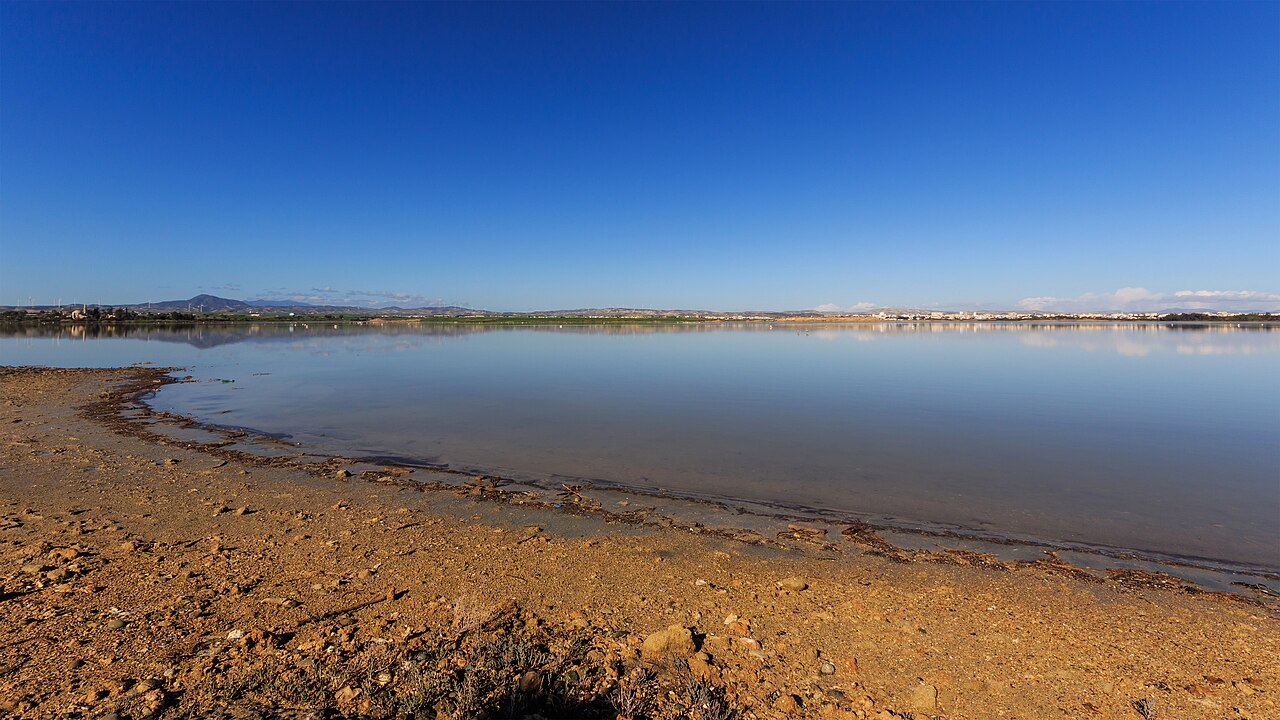
In winter, thousands of flamingos wade across a mirror-flat salt lake; on its shore stands the palm-ringed Hala Sultan Tekke mosque. A flat walking trail circles the water.
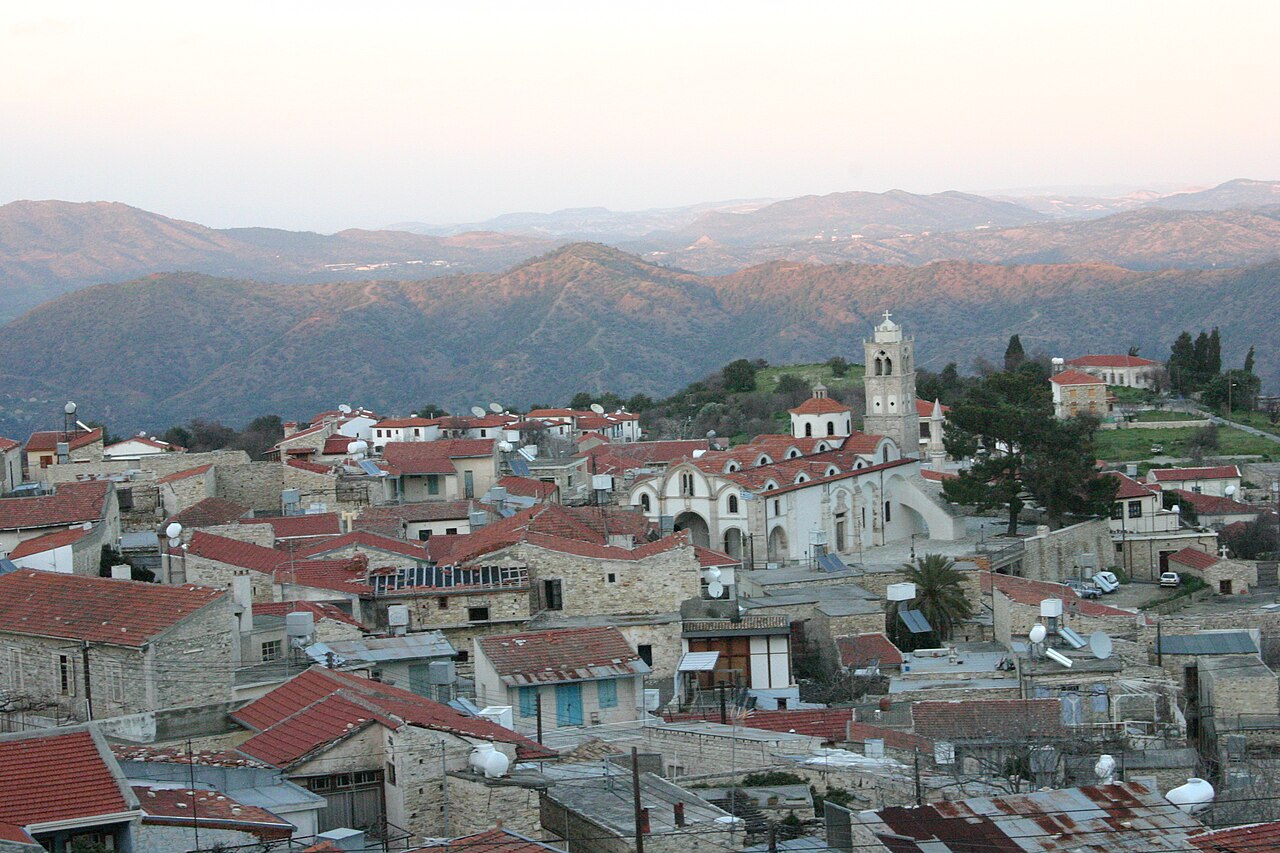
A hillside warren of cobbled lanes famous for handmade lace and filigree silver, with blue shutters, shaded courtyards and a coffee at every turn.
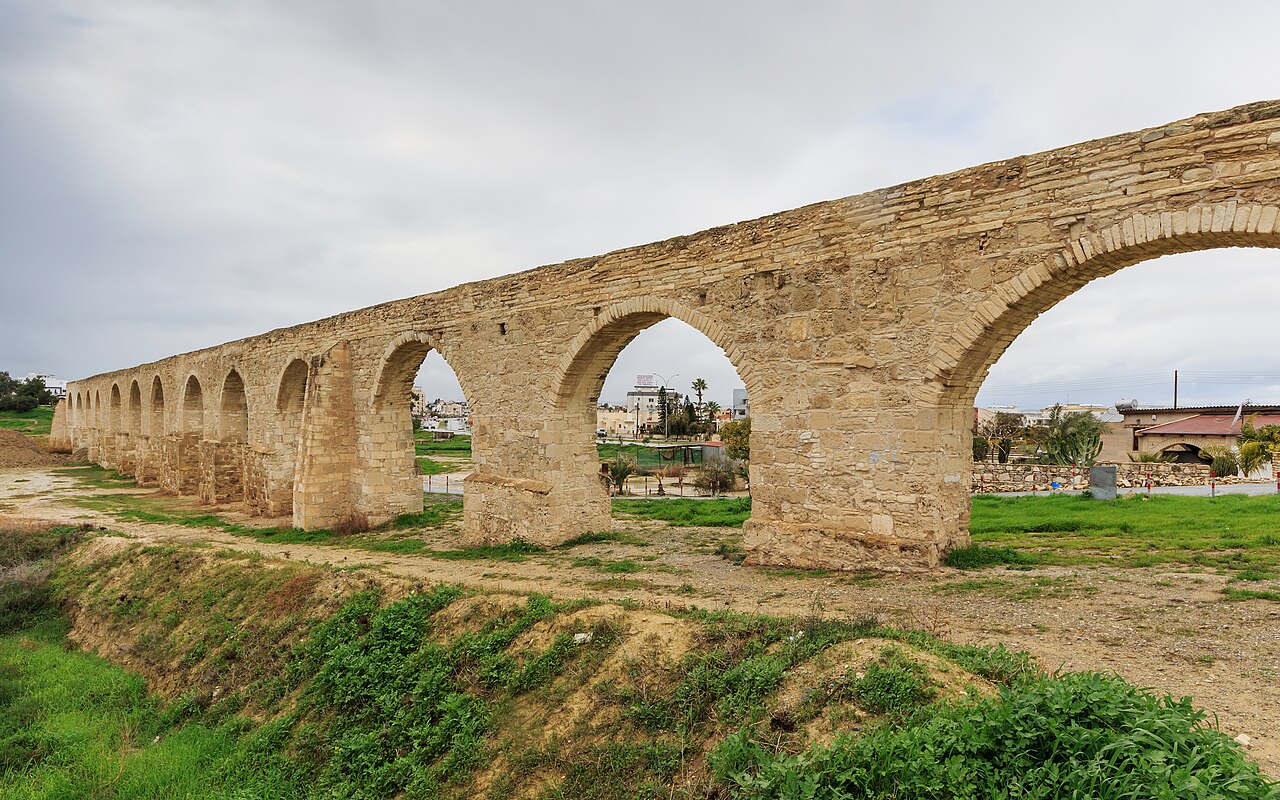
A graceful Ottoman aqueduct of tall pale arches striding across the plain on the edge of town — floodlit after dark and reflected in the pools that still gather at its feet.
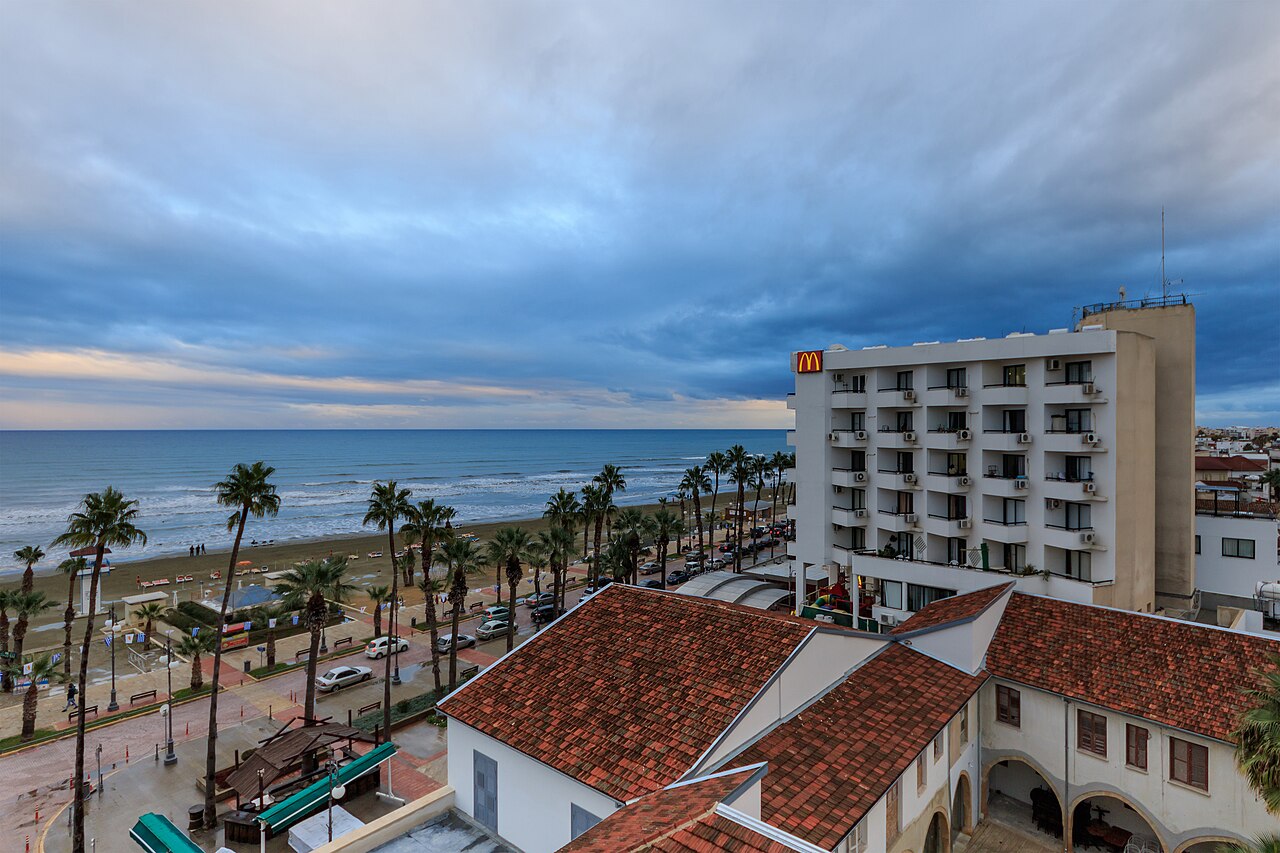
Larnaca’s palm-lined seafront: a sandy town beach, a working marina and a long stroll past the medieval fort to the church of Saint Lazarus — the heart of the city.
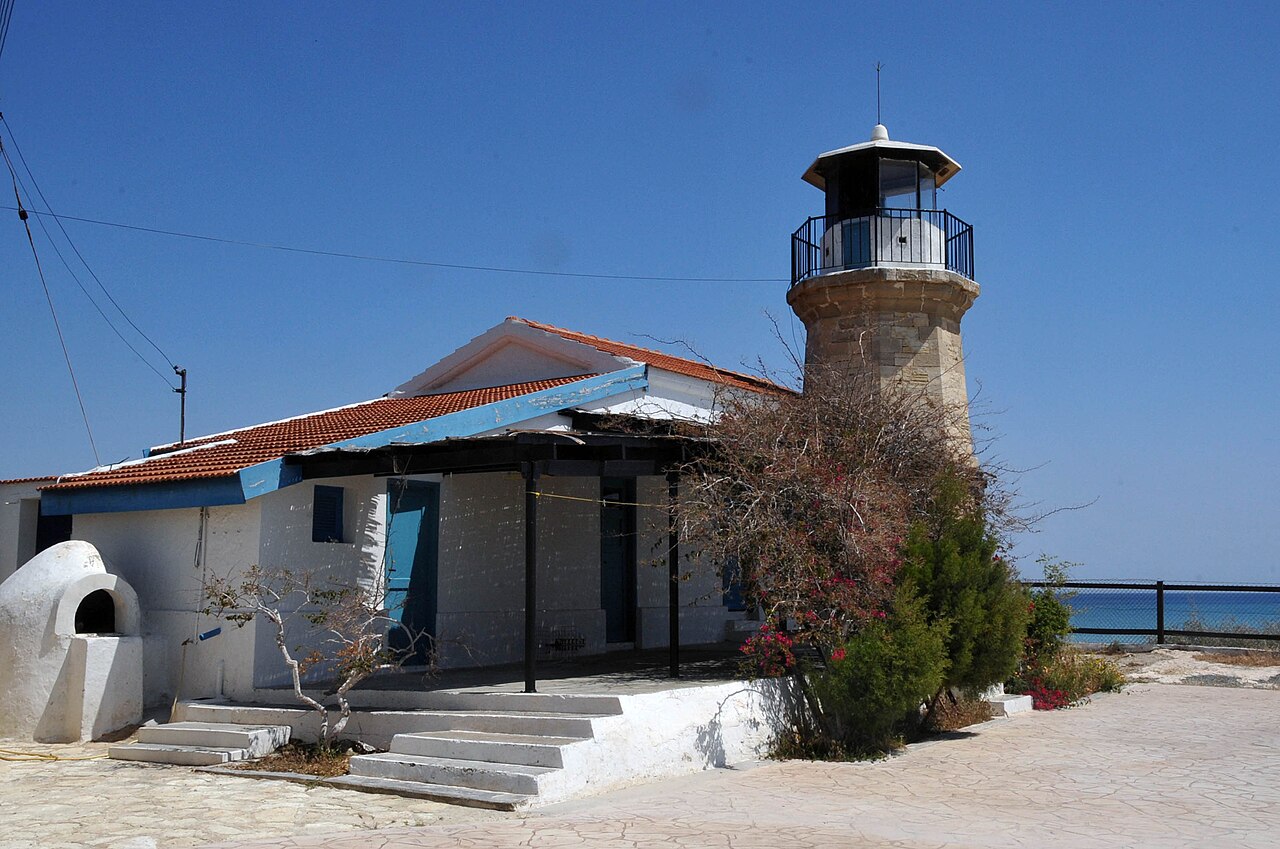
A slender 19th-century lighthouse on a low rocky headland south of Larnaca, ringed by tide pools and open sea views — a quiet, windswept spot to watch the sun go down.
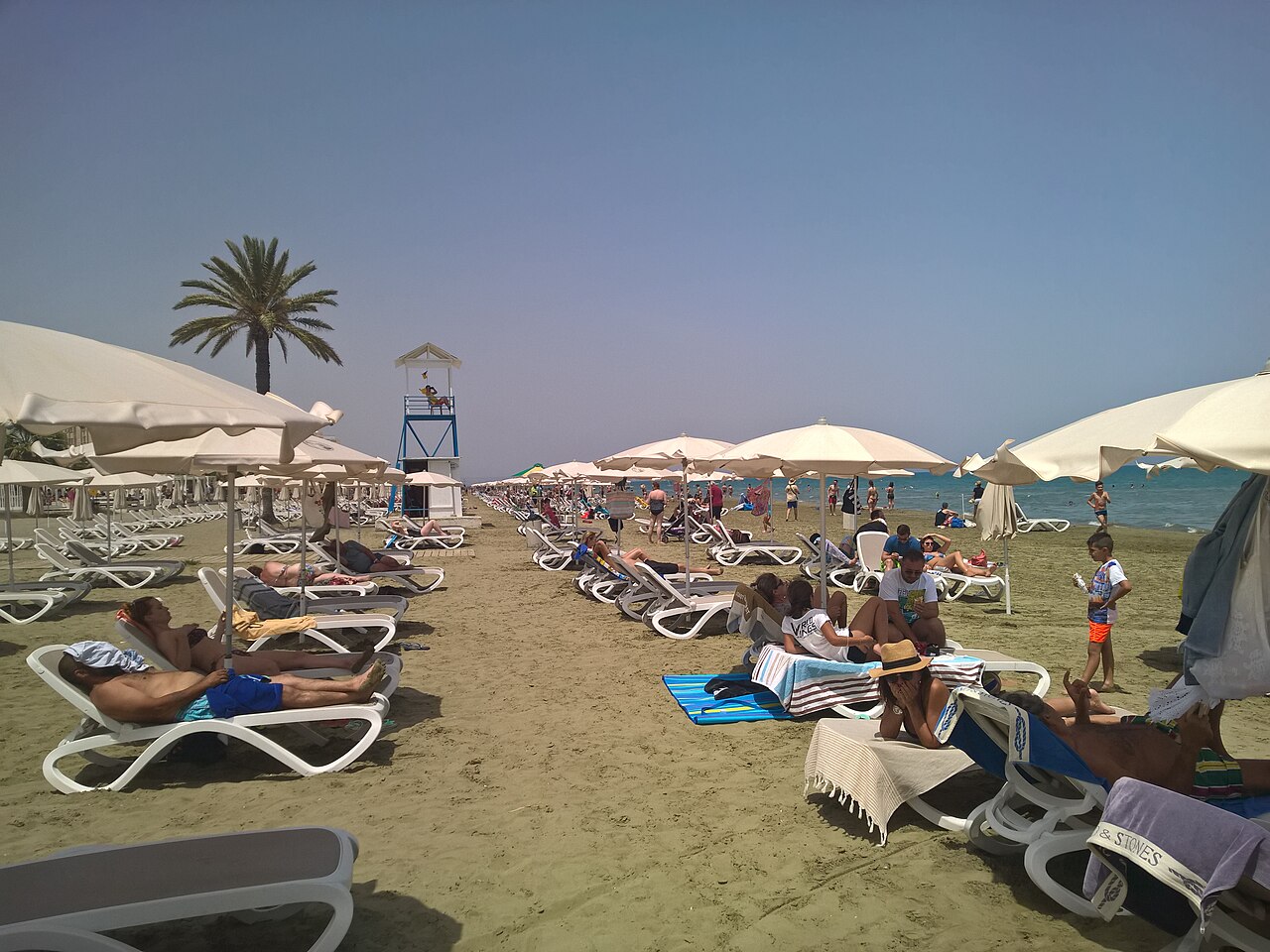
Larnaca's lively town beach, best known for the aircraft that roar low overhead on final approach to the airport — plane spotters line up here for a reason. The sand is grey-gold and the water shallow and calm, backed by a busy strip of bars and tavernas. Free to visit, though sunbeds are paid and summer weekends get crowded.
Every spot now shows a representative photo from Wikimedia Commons & other open sources. Swap in your own photography any time and we’ll wire it per-spot.
Every beach in Cyprus is free and public by law, including resort frontages. You only pay for sunbeds and umbrellas — government-regulated at around €2.50 each per day on most organised beaches. Laying your own towel on the sand is always free, so you never need to rent anything.
The beach is free and public, like every beach in Cyprus. Free parking beside it fills by around 9am, plus paid parking off Nissi Avenue. Only sunbeds and umbrellas cost extra, regulated at roughly €2.50 each per day.
Yes. Cape Greco National Park around the Blue Lagoon is completely free to enter, with no parking charge. You can drive in and walk down to the water, though the lagoon itself is only reachable on foot or by boat trip from Ayia Napa or Protaras harbours.
Yes, Petra tou Romiou is a free public pebble beach with a free car park opposite and a pedestrian tunnel under the road. Legend says swimming around the rock brings eternal beauty. Be cautious — the sea is often rough with strong currents, so weaker swimmers should stay close to shore.
It's a free national park with dramatic sea caves, cliff-jumping spots, the Blue Lagoon, hiking and cycling trails, the little Agioi Anargyroi chapel and the Kamara tou Koraka natural bridge. Bring water and sun cover — there's little shade. Sunrise here is one of the island's best free experiences.
Start at Psilo Dendro (the trout farm) near Pano Platres, off the Limassol–Troodos road. Take the path left of the restaurant; it is a shaded 3km walk each way to the 12-metre falls. Entry is free. Wear proper shoes — the trail is rocky and crosses the stream several times.
Millomeris is quicker and quieter. You can drive most of the way via the B8 road from Pano Platres, then take a short stepped path down to the 15-metre fall. Caledonia is a longer forest hike but more scenic. Both are free and best visited spring to early summer.
Arrive before 9–10am to grab free parking and a quiet patch before crowds build, especially in July–August. Late afternoon (after 4pm) is also calmer and cooler. For Cape Greco and the waterfalls, early morning offers the best light, fewest people and the most comfortable temperatures.