
Things to Do in Larnaca: The Cyprus Locals Live In
A working city with a beach, a salt lake full of flamingos and the island’s best-value food. Twenty minutes from the airport and consistently underrated.
Larnaca is where most people land in Cyprus and where surprisingly few of them stay. It has none of Ayia Napa’s volume or Limassol’s polish, and that is exactly the appeal: it is a working coastal city with a palm-lined seafront, a genuinely good beach, and food priced for people who live here rather than for people on holiday.
It is also the most convenient base on the island. The airport is twenty minutes away, the motorway network puts Nicosia, Limassol and the east coast all within about an hour, and you can do a great deal without ever getting in a car.
Here is what is actually worth your time.
The seafront and the beaches
Finikoudes is the promenade that defines the city — a row of palms along the sand, cafés the length of it, and a marina at one end. It is the evening ritual here: everyone walks it, from about an hour before sunset onward. The beach itself is fine rather than spectacular, but the setting is the point.
For actual beach days, Mackenzie is better. It runs south of the town toward the airport, the sand is broader, and the bars sitting directly on it are where Larnaca goes at the weekend. Planes come in low over the water on approach, which is more entertaining than it sounds.
The salt lake and the flamingos
Larnaca Salt Lake sits just inland from the airport and changes character completely with the season. From roughly November to March it fills with water and with flamingos — thousands of them, wintering here — and it is one of the genuinely remarkable sights on the island. By high summer it has dried to a white salt crust, which is its own kind of strange.
On its shore stands Hala Sultan Tekke, one of the most significant Islamic sites in the region, set among palms at the water’s edge. The walking path around the lake links the two and takes about an hour.
The old town and the aqueduct
The Kamares aqueduct on the western edge of town is the city’s best-looking piece of history — a long run of Ottoman-era arches, floodlit at night and free to walk around. It is a five-minute stop that most visitors miss entirely.
In the centre, the church of Saint Lazarus is the thing to see: a substantial stone church built over what tradition holds to be the tomb of Lazarus, with a crypt beneath. The streets around it are the oldest part of the city and the best of the small-scale shopping.
Where to eat
Larnaca is the best-value eating on the island’s south coast, and the strength is fish. The fishing harbours along this coast — Zygi to the west, and further east toward Ayia Napa, Potamos Liopetriou — do fish meze at prices the resort towns cannot match, and they are worth the drive.
In town, the tavernas away from the Finikoudes strip are consistently better than the ones on it. Our ranked Larnaca list is ordered on public reputation rather than on who is closest to the sea.
Day trips from Larnaca
The position is the best thing about Larnaca. Lefkara — the lace-making mountain village — is under forty minutes inland and is the easiest introduction to village Cyprus. Nicosia is about an hour up the motorway. Cape Greco and the east-coast beaches are around forty-five minutes.
Cape Kiti and the coast immediately south of the city are quieter than anything you will find further east, and almost entirely undeveloped.
Frequently asked
Is Larnaca worth visiting?
Yes, particularly if you want a real Cypriot city rather than a resort. It has a good beach, the salt lake and flamingos in winter, genuinely well-priced food, and it is the most convenient base on the island for day trips — twenty minutes from the airport and about an hour from most of the south.
When can you see flamingos at Larnaca Salt Lake?
Roughly November to March, when the lake fills with winter rain. By high summer it has dried out completely to a salt crust and the birds have gone. Winter is by far the better time to visit the lake.
What is the best beach in Larnaca?
Mackenzie, just south of the town — broader sand than the city seafront and the beach bars sit directly on it. Finikoudes, the palm-lined promenade beach in the centre, is more about the evening walk than the swimming.
How many days do you need in Larnaca?
Two is enough for the city itself — the seafront, the old town, the aqueduct and the salt lake. Use it as a base for longer and you can reach Nicosia, Lefkara, Cape Greco and the east-coast beaches on comfortable day trips.
Events around Larnaca
Lefkara Classic (cycling)
An endurance ride from Pano Lefkara on Sunday 15 November: the Grand route climbs 4,750 m over 166 km and the Demi 2,000 m over 74 km, through the Machairas monastery area and the Pitsilia wine villages. It closes a four-day race week in the village with social rides, talks and cycling films.
Larnaka International Marathon
Larnaca's flat, scenic road race starts on the palm-lined Finikoudes seafront, close to the salt lake where flamingos spend the winter, in November when the weather is ideal for running. Alongside the full and half marathon there are 10 km, 5 km, corporate 5 km and 1 km children's races, so it suits club runners and families alike. Entrants pay a fee, but cheering from the promenade is free.
Epiphany · Blessing of the Waters (Ta Fota)
On Epiphany, 6 January, a procession leaves each seaside town's cathedral for the water at about 10.30am; the bishop throws the Holy Cross into the sea and young men dive into the winter water to bring it back. Larnaca's ceremony, from Agios Lazaros Church to the marina, is the island's best known, and the same rite takes place at Limassol's old port, Paphos harbour, Latsi and Ayia Napa harbour. A short, moving piece of living Orthodox tradition, free to watch.
Featured in this guide
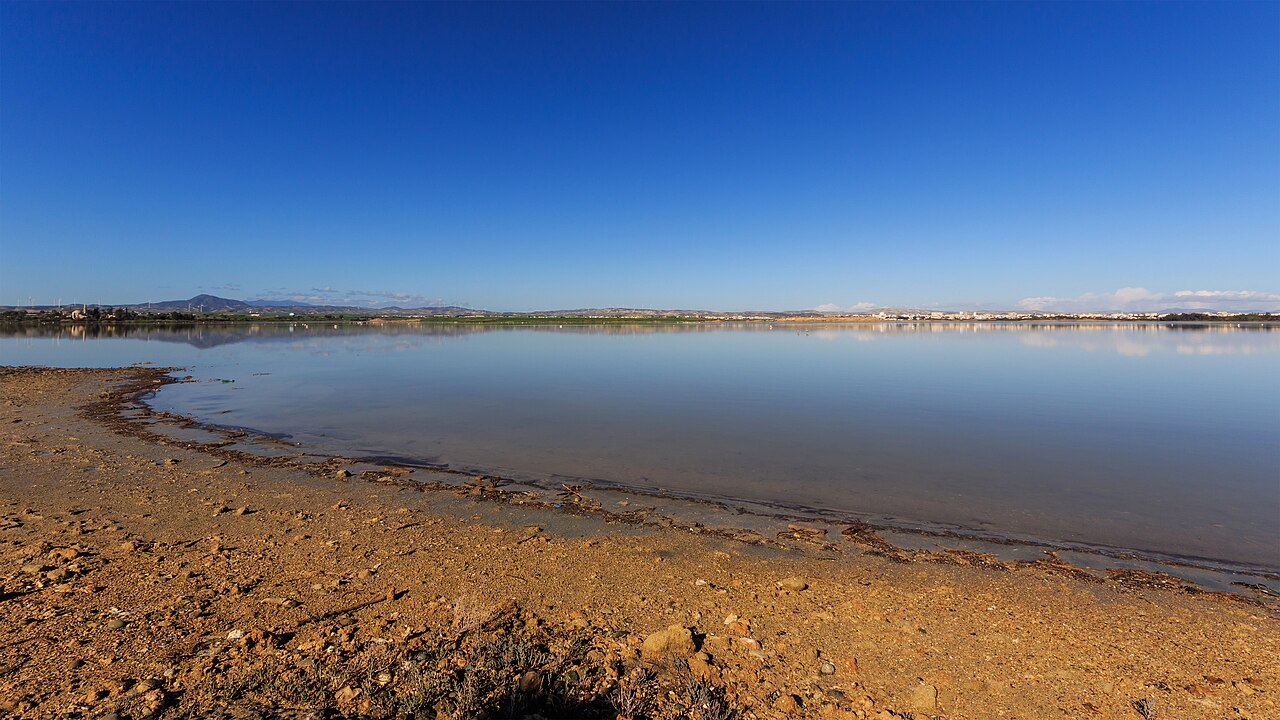
Larnaca Salt Lake & Hala Sultan Tekke
In winter, thousands of flamingos wade across a mirror-flat salt lake; on its shore stands the palm-ringed Hala Sultan Tekke mosque. A flat walking trail circles the water.
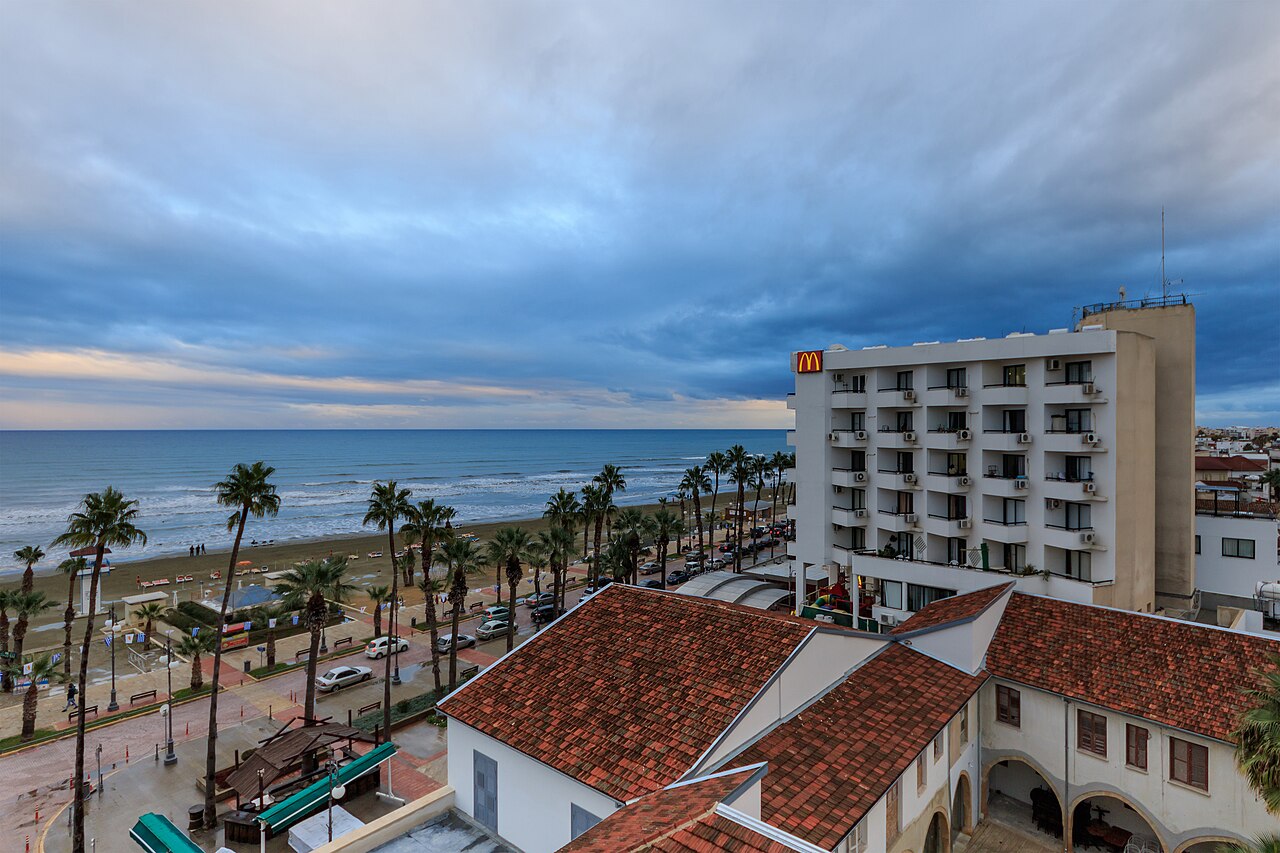
Finikoudes Promenade
Larnaca’s palm-lined seafront: a sandy town beach, a working marina and a long stroll past the medieval fort to the church of Saint Lazarus — the heart of the city.
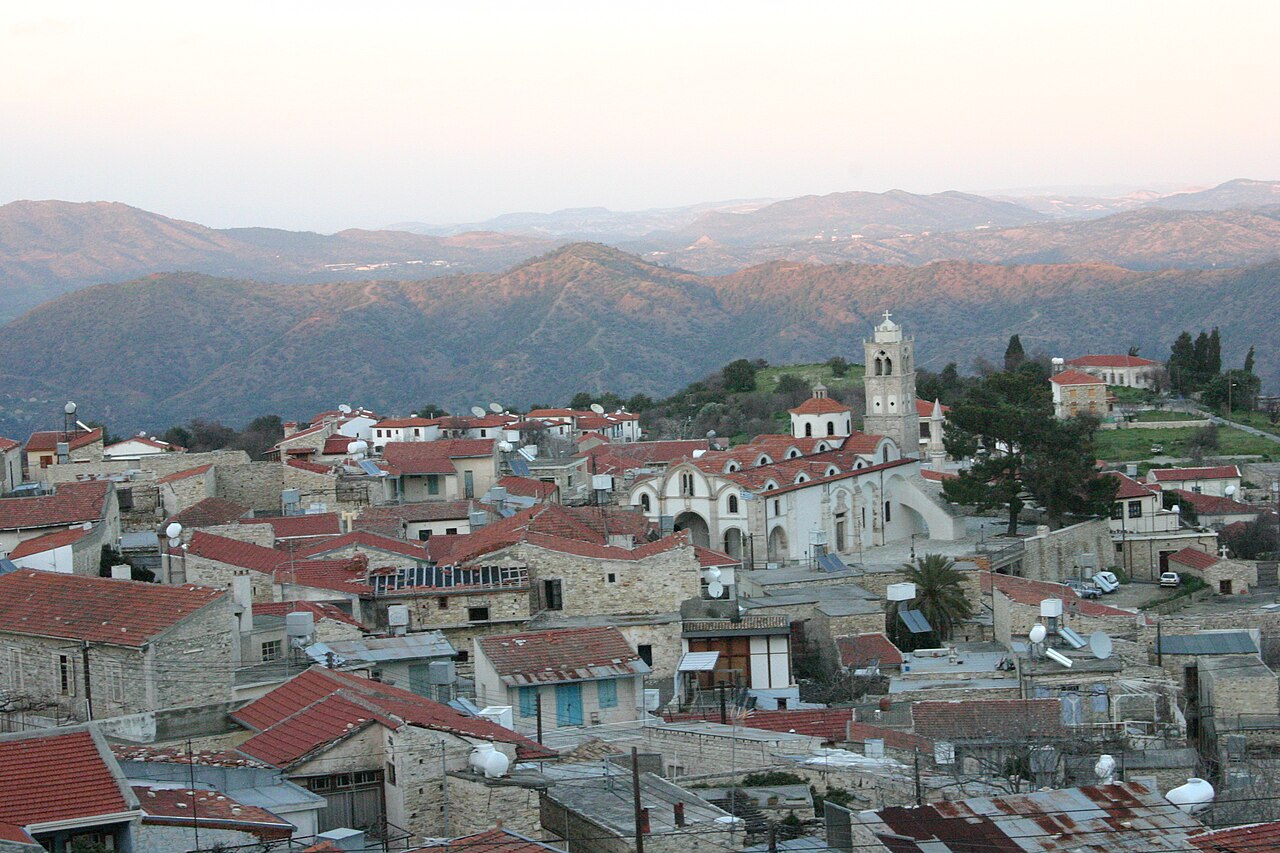
Lefkara Village
A hillside warren of cobbled lanes famous for handmade lace and filigree silver, with blue shutters, shaded courtyards and a coffee at every turn.
Turn this into your own trip — save the spots you like and plan the days.